



How to Hire Service Coordinators: Step-by-Step Guide for Hiring Top Talent Fast
Discover the best strategies and tips to hire service coordinators efficiently and build a reliable team for your restaurant with our step-by-step hiring guide.

How to Hire Service Coordinators: The Practical Guide for Small Business Owners
Let’s be honest—finding and hiring the right service coordinators can feel a bit like searching for a needle in a haystack, especially when you’re already juggling a dozen other priorities. But if you ask me, getting this hire right is the secret sauce for smooth operations, happy customers, and a team that actually wants to show up on Monday. So, how do you hire service coordinators who’ll stick around and make your life easier, not harder? Let’s break it down, with a few helpful detours along the way.
Understanding the Role: What Makes a Great Service Coordinator?
First things first—what does a service coordinator actually do? At its core, this role is the glue that holds your service operations together. Whether you’re running a busy HVAC company, a home health agency, or a bustling restaurant, your service coordinator is the point person for scheduling, customer communication, and making sure the right tech or staff shows up at the right time. If you’ve ever had a day go sideways because someone missed a shift or a customer was left hanging, you know just how critical this job is.
But here’s the kicker: not every great employee is cut out for this gig. You need someone who’s organized, a natural communicator, and cool under pressure. According to industry insights, top performers in coordination roles often share traits with great general managers—think adaptability, empathy, and a knack for problem-solving.
And don’t underestimate the importance of cultural fit. A few well-placed interview questions about teamwork and resilience can reveal a lot about whether a candidate will thrive in your environment.
Common Pitfalls in Service Coordinator Hiring
- Rushing the process and hiring based on gut feeling alone
- Overlooking soft skills in favor of technical know-how
- Neglecting to clarify expectations around scheduling and communication
Honestly, I’ve seen more than a few businesses trip up here. But with a solid process, you can avoid these headaches.
Building a Service Coordinator Recruitment Pipeline That Works
Recruiting great service coordinators isn’t just about posting a job and hoping for the best. The best teams use a mix of digital tools, targeted outreach, and a dash of old-fashioned relationship-building. If you’re looking to recruit service coordinators who are a cut above, consider these strategies:
- Write a clear, compelling job description. Take a cue from these job posting examples and highlight not just duties, but what makes your workplace unique.
- Leverage industry-specific job boards and social media. Yes, Facebook groups and even Instagram can be goldmines for finding hourly talent—especially if you know how to use Instagram for hiring.
- Automate the screening process. Platforms like Workstream can help you sort through applications, schedule interviews, and even send reminders—all from your phone.
- Ask the right interview questions. Don’t just focus on experience. Use behavioral interview techniques to uncover how candidates handle stress, multitasking, and customer complaints.
And here’s a little secret: the best candidates often aren’t actively looking. That’s why it pays to proactively source candidates and keep your network warm, even when you’re not hiring.
Compliance and Legal Considerations (Don’t Skip This!)
Now, I know compliance isn’t the most thrilling topic, but it’s non-negotiable. The Department of Labor requires you to keep detailed records for each employee—from hours worked to wages paid. And if you’re hiring for roles that interact with vulnerable populations, background checks and proper certifications are a must. For a deeper dive, check out this guide to certifications that might apply in your industry.
Pro tip: digital onboarding tools, like those offered by Workstream, can help you stay organized and compliant from day one.
Retaining Top Service Coordinators: Beyond the Hire
So you’ve managed to hire service coordinators who are sharp, reliable, and customer-focused. Now what? The real challenge is keeping them engaged and motivated—because let’s face it, turnover is expensive. According to industry research, losing a frontline employee can cost your business thousands in lost productivity and retraining.
What keeps service coordinators happy? It’s not just about pay (though competitive wages matter—see how top companies structure hourly pay). Benefits, flexibility, and a sense of purpose all play a role. A recent report highlights how offering benefits—even to part-timers—can dramatically improve recruitment and retention.
And don’t forget about recognition and growth opportunities. Small gestures, like celebrating work anniversaries (here’s how), or offering pathways for advancement, can make a world of difference.
Reducing Turnover with Smart Scheduling and Engagement
One of the biggest complaints I hear from coordinators is unpredictable schedules. Embracing tech that gives employees more control—like Gap’s scheduling app—can reduce no-shows and boost morale. And let’s not forget, platforms like Workstream can cut scheduling headaches and overtime costs, saving you time and money in the long run.
Want to dig deeper into what makes employees stick around? Check out these insights on employee turnover and engagement strategies for hourly workers.
Practical Tips for Service Coordinator Hiring: What Works (and What Doesn’t)
- Define your must-haves. Before you post that job, get crystal clear on the skills and qualities you need. Use job description resources to help you nail it.
- Move fast, but don’t rush. The best candidates get snapped up quickly—tools like Workstream’s automated workflows can help you respond to applicants in real time, reducing time-to-hire by half.
- Onboard with intention. A structured onboarding process, like these onboarding templates, sets new hires up for success and keeps you compliant.
- Keep learning. Stay up to date with HR tech trends and HR software selection tips to keep your hiring process sharp.
The Bottom Line: Why the Right Tools Matter
If you’re still piecing together spreadsheets and sticky notes, you’re not alone. But today’s HR and payroll platforms are designed to make service coordinator hiring less of a headache. With features like mobile-first applications, automated reminders, and digital document storage, platforms like Workstream help you recruit field service coordinators faster—and keep them longer.
And here’s something I didn’t believe until I saw it firsthand: automating just a few steps in your hiring process can cut turnover by half and save thousands a year in labor costs. That’s not just a win for your bottom line—it’s a win for your sanity.
Conclusion: Ready to Build Your Dream Team?
Hiring the right service coordinators isn’t just about filling a seat—it’s about building a team that keeps your business running smoothly, your customers coming back, and your stress levels in check. From crafting the perfect job post to leveraging smart tech and keeping your team engaged, every step matters.
So, next time you’re staring down a stack of resumes or wondering why your last coordinator quit after two months, remember: there’s a better way. With the right mix of strategy, empathy, and technology, you can hire service coordinators who’ll help your business thrive—season after season.
Related Resources from Workstream
- Explore hiring automation for faster, smarter recruitment
- Learn about new hire onboarding best practices
- Read more on HR tech and certification
- Discover Workstream’s full platform for hourly businesses
- Contact the team at Workstream for tailored solutions
.svg)


All your important HR tasks under one roof
Today’s business owners and HR teams are overwhelmed with administrative tasks: manual processes and exports, duplicative data entry, and siloed information. Workstream centralizes and simplifies people tasks so you can move fast, reduce labor costs, and simplify operations—all in one place.
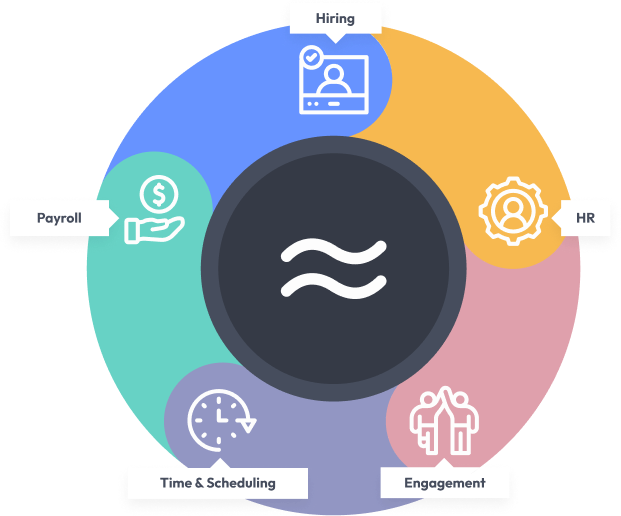

Hiring
Hire better quality workers, faster

HR
Streamline people processes and ensure employee records are always accurate

Engagement
Reduce turnover and increase worker engagement

Time & Scheduling
Manage schedules and hours worked to optimize your labor costs

Payroll
Pay your team quickly, easily, and accurately
resources
Become a hiring and onboarding expert.



Be smart with your hourly workforce
