



How to Hire Account Managers: A Modern Guide for Small Businesses
Discover proven strategies to hire account managers who drive results, boost retention, and help your small business thrive in a competitive market.

How to Hire Account Managers: A Modern Guide for Small Businesses
Let’s be honest—figuring out how to hire account managers who’ll stick around, drive revenue, and actually get your business is no walk in the park. Whether you’re running a bustling franchise, a neighborhood restaurant, or a growing retail shop, the pressure to attract top account managers and keep them engaged is real. You know what? It’s not just about posting a job and hoping for the best anymore. The process has changed—dramatically.
The Real Role of Account Managers (And Why Getting Recruitment Right Matters)
Account managers are more than just “people persons”—they’re the glue between your business and your customers. They keep clients happy, spot upsell opportunities, and smooth over the inevitable bumps in the road. But here’s the thing: high turnover in these roles can cost you dearly, both in dollars and reputation.
If you’re still relying on old-school hiring tactics, you might be missing out on great talent. According to recent industry data, losing a single front-line employee can cost thousands—imagine what that means for a skilled account manager!
What Makes a Great Account Manager?
- Strong communication skills (with a dash of empathy)
- Ability to juggle multiple clients and priorities
- Problem-solving chops—think quick on their feet
- Sales savvy without being pushy
- Tech comfort—especially with mobile and scheduling tools
Honestly, it’s a tall order. But understanding what you need is the first step toward effective account manager recruitment.
Building Your Account Manager Recruitment Game Plan
So, how do you actually employ account managers who’ll stick? Here’s where things get interesting. The old “post and pray” method? Not so much. Today’s candidates expect speed, transparency, and a little bit of tech magic along the way.
Crafting Job Descriptions That Attract Top Account Managers
Your job post is your handshake—it sets the tone. Highlight growth opportunities, flexibility, and benefits right up front. For inspiration, check out these job posting examples that actually attract quality candidates. Want to stand out? Try these creative tips for job postings or learn how to call out benefits in your job descriptions.
Sourcing and Screening: Where Tech Meets Human Touch
You don’t have to do it all manually (unless you really love paperwork). Platforms like Workstream’s hiring automation help you screen candidates faster, schedule interviews automatically, and even reduce interview no-shows by more than half. Want more reach? Consider posting on social media—here’s how to use Instagram to hire hourly workers.
- Digital recruiting strategies can help you widen your net.
- Proactively find candidates before your competitors do.
- Recruitment marketing benchmarks show where to spend your time and money.
- Best free job posting sites to maximize your reach without breaking the bank.
The Interview: Beyond “Tell Me About Yourself”
This is where you separate the talkers from the doers. Use structured interviews—try these cultural fit interview questions or master motivational interviewing techniques. Don’t forget behavioral questions; our STAR method guide can help you dig deeper.
Acquiring Account Management Talent: Onboarding and Retention Secrets
You’ve found your person—now what? The first few weeks are critical. A rocky start means they might be gone before you can say “client churn.” Streamlined onboarding isn’t just nice to have; it’s essential. According to research on onboarding best practices for hourly employees, clear processes boost retention and productivity.
- Onboarding templates make it easy to set expectations from day one.
- Mobile-friendly workflows (like those from Workstream’s onboarding platform) cut onboarding time dramatically.
- Recognize milestones to build loyalty early.
- Employee engagement strategies help prevent early turnover.
The Cost of Turnover: Why Retention Should Be Your Obsession
If you think losing an account manager is just part of doing business, think again. Studies show that turnover can cost up to 200% of an employee’s annual salary. That’s not pocket change! Want to see how big brands tackle this? Check out how Walmart transformed its hourly workforce, or why McDonald’s remains so profitable.
And don’t ignore scheduling—flexibility is huge. Research shows that flexible schedules are key to retaining hourly workers. Tools like Workstream’s scheduling features can save hours each week and help keep your team happy.
Pitfalls, Compliance & Legal Stuff (Don’t Skip This!)
No one loves paperwork, but compliance is non-negotiable. Make sure your recordkeeping is airtight—review requirements from the U.S. Department of Labor on wage recordkeeping. If you’re hiring part-time, know the rules about hours and benefits—here’s a guide on part-time hours and benefits eligibility. And yes, automating these tasks with digital tools can save you headaches (and maybe $25K a year in legal fees).
- Hiring and firing statistics can help you benchmark your process.
- Stay updated on HR tech trends and certifications.
- Understand salary vs hourly employment differences.
- SHRM's retention strategies overview.
Disclaimer: This article is for informational purposes only and does not constitute legal advice. Always consult a qualified professional for compliance matters.
The Bottom Line: Winning at Account Manager Hiring in 2024 (And Beyond)
If you want to consistently acquire account management talent, it takes more than luck or gut instinct. It takes planning, empathy, and—let’s face it—a willingness to embrace new tools that make life easier for everyone involved. Platforms like Workstream’s HR suite are designed specifically for businesses like yours, blending automation with a human touch so you can focus on building real relationships—not just filling seats.
The competition for top talent isn’t slowing down anytime soon. But with the right approach—and a little help from technology—you’ll be well on your way to building a team of account managers who don’t just show up, but truly show out.
Want More Resources?
- Find hourly workers with Workstream’s platform
- Restaurant hiring tips and software insights
- Traits of top-performing managers
- Understanding turnover rates in assisted living roles
- Impact of benefits on recruitment & retention in restaurants (DoorDash)
- Causes of turnover in hospitality (Harver)
- The real cost of restaurant employee turnover (Modern Restaurant Management)
- What makes restaurant employees happy (7shifts Survey)
- Robert Half survey on bonuses & retention strategies
- Contact Workstream for tailored hiring solutions
You’ve got this—go build that dream team!
.svg)


All your important HR tasks under one roof
Today’s business owners and HR teams are overwhelmed with administrative tasks: manual processes and exports, duplicative data entry, and siloed information. Workstream centralizes and simplifies people tasks so you can move fast, reduce labor costs, and simplify operations—all in one place.
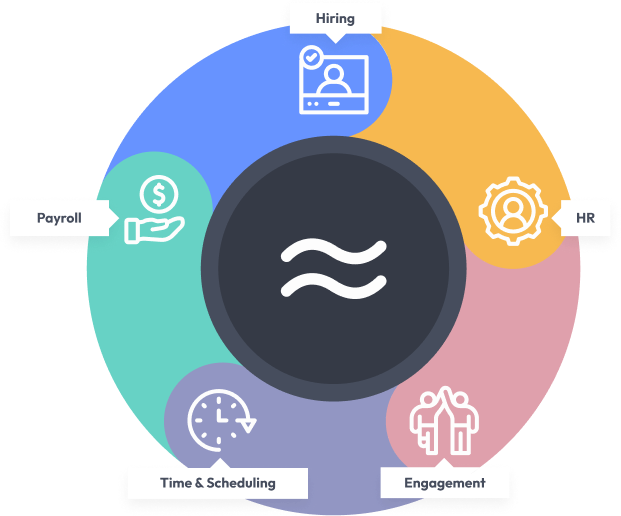

Hiring
Hire better quality workers, faster

HR
Streamline people processes and ensure employee records are always accurate

Engagement
Reduce turnover and increase worker engagement

Time & Scheduling
Manage schedules and hours worked to optimize your labor costs

Payroll
Pay your team quickly, easily, and accurately
resources
Become a hiring and onboarding expert.


Be smart with your hourly workforce
