



How to Hire Busboys: Streamline Restaurant Support Staff Hiring with Workstream
Streamline how you hire busboys and recruit restaurant bussers with Workstream’s all-in-one platform—making restaurant support staff hiring faster, easier, and more efficient for your team.

How to Hire Busboys: A Restaurant Owner’s Guide to Building a Reliable Support Team
If you ask most restaurant owners, they’ll tell you: figuring out how to hire busboys (or busser, dining room attendant—pick your favorite term) is a bit like trying to keep a soufflé from falling. It takes timing, patience, and a dash of luck. But here’s the thing—when you get it right, your whole operation runs smoother, guests are happier, and your core staff can focus on what matters most. Let’s roll up our sleeves and talk about how to recruit restaurant bussers, avoid common hiring pitfalls, and build a support team that sticks around for more than a single Friday night rush.
Why Hiring Great Bussers Matters More Than You Think
Honestly, some folks underestimate the impact of a good busser. But if you’ve ever watched a dining room grind to a halt because tables aren’t reset fast enough, you know better. Restaurant support staff hiring isn’t just about filling gaps—it’s about building a foundation for service excellence and profitability.
- Employee turnover in restaurants is notoriously high, and support roles like busboys are no exception.
- Replacing a single front-line worker can cost thousands—one study pegs it at nearly $6,000 per lost employee.
- Retention starts with smart hiring and onboarding—engaged hourly workers are far less likely to leave.
So while it may feel like “just another entry-level position,” the way you hire dining room attendants has ripple effects across your entire business. And yes, that includes your bottom line.
The Hiring Process: From Job Description to First Shift
Crafting Job Posts That Attract the Right Applicants
Your first step? Write a job post that does more than list duties. Today’s hourly workforce wants to know what’s in it for them—benefits, flexibility, growth. According to DoorDash’s report on benefits and recruitment, perks like instant pay access or flexible scheduling can be game-changers.
- Highlight perks in your job ad—see these job posting examples for inspiration.
- Be transparent about pay (it’s what applicants look at first—SHRM research confirms it).
- Use creative language to stand out—these tips for job postings can help.
- If you’re recruiting on social media, platforms like Instagram can be surprisingly effective (here’s how).
Sourcing and Screening: Where to Find Quality Bussers
The truth? Good candidates don’t always come from where you expect. Sure, referrals from current staff are gold, but don’t forget:
- Digital recruiting strategies expand your reach beyond walk-ins and word of mouth.
- Free job posting sites let you cast a wide net without breaking the bank.
- If you want to skip the manual back-and-forth, automation tools like Workstream’s hiring automation can cut your time-to-hire in half and reduce interview no-shows by over 50%.
Screening doesn’t have to be complicated. Ask about reliability, teamwork, and adaptability—qualities that matter more than prior experience in many cases. For more on finding committed employees, check out these five traits of committed employees.
Onboarding: Setting Up Your New Busser for Success
Let me explain why onboarding matters: A rushed or chaotic first day can send new hires running for the door. Instead:
- Use a digital onboarding checklist (see these onboarding templates) so nothing slips through the cracks.
- A strong employee handbook helps set expectations—find tips for writing one here.
- Assign a “buddy” or mentor for the first week; it’s a small gesture that makes a big difference (effective training techniques work wonders).
And don’t forget compliance! The Department of Labor requires accurate recordkeeping for all hourly workers—get the details straight from the source at the U.S. Department of Labor.
Troubleshooting: Common Pitfalls in Restaurant Support Staff Hiring
The Turnover Trap—and How to Escape It
If you’re losing bussers faster than you can hire them, you’re not alone. High turnover is an industry-wide headache (here’s why it happens in hospitality). But there are proven ways to slow the revolving door:
- Engage new hires early. According to Modern Restaurant Management’s survey, feeling valued is key to retention.
- Offer flexible scheduling. When workers control their shifts, they stick around longer (see how Gap does it).
- Recognize good work. Even a simple thank-you goes further than you think (career advice on appreciation).
- Avoid overwork and burnout. Burnout is rampant in food service (Gallup explains the causes here).
The Compliance Maze: Legal Musts When You Hire Bussers
Navigating labor laws can feel overwhelming—especially with changing regulations around breaks, overtime, and youth employment. If you’re unsure, consulting an employment law expert is always wise (disclaimer: this article is not legal advice).
If you want to simplify compliance and avoid costly mistakes (some lawsuits run $25K or more), consider using an integrated HR platform like Workstream’s platform. It automates recordkeeping and helps keep your business out of hot water.
Beyond the Basics: Standing Out as an Employer of Choice
The Power of Perks and Culture in Restaurant Support Staff Hiring
You might think benefits are just for managers or cooks—but offering even small perks to bussers can boost retention. According to Fortune’s research on hourly worker satisfaction, things like daily pay access or clear paths to promotion make a real difference.
- Create a positive culture. Organizational culture impacts job satisfaction and turnover intention (see this study on job satisfaction and turnover intention).
- Invest in technology. Streamlined scheduling tools reduce headaches for everyone (see this schedule template guide).
- Celebrate milestones. Recognizing work anniversaries strengthens loyalty (here’s how to do it right).
- Pay competitively. Compare your wages with industry leaders (hourly wage comparison guide) so you don’t lose talent over a dollar or two an hour.
If you’re curious about how big brands keep their turnover rates low, check out this piece on how one fast-food chain keeps its turnover rates low. Spoiler: it’s not just about pay—it’s about attitude and training too.
The Takeaway: Make Hiring Bussers a Competitive Advantage
The secret sauce for successful restaurants isn’t just great food—it’s great people at every level. When you approach how to hire busboys as an opportunity—not just a chore—you create an environment where guests feel welcome and staff want to stay. And with modern tools like Workstream’s hiring automation suite, even small businesses can compete with the big chains for top talent.
If you’re looking for more ways to streamline your process or just want to see what other restaurant owners are doing, explore these resources:
- Restaurant hiring: What you need to know
- Best job posting examples for hourly workers
- How to use Instagram for hiring hourly staff
- Templates for onboarding new hires effectively
- About Workstream: Text recruiting & onboarding for hourly workers
You’ve got this—and if you need help along the way, there are tools and communities ready to support your journey as you recruit restaurant bussers and build your dream team.
.svg)


All your important HR tasks under one roof
Today’s business owners and HR teams are overwhelmed with administrative tasks: manual processes and exports, duplicative data entry, and siloed information. Workstream centralizes and simplifies people tasks so you can move fast, reduce labor costs, and simplify operations—all in one place.
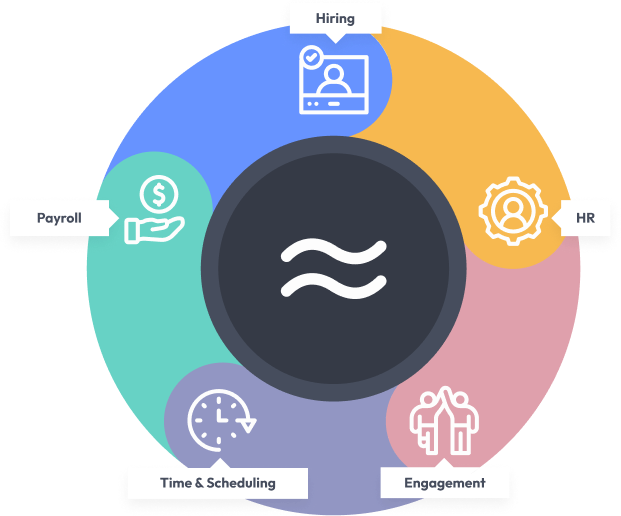

Hiring
Hire better quality workers, faster

HR
Streamline people processes and ensure employee records are always accurate

Engagement
Reduce turnover and increase worker engagement

Time & Scheduling
Manage schedules and hours worked to optimize your labor costs

Payroll
Pay your team quickly, easily, and accurately
resources
Become a hiring and onboarding expert.

Be smart with your hourly workforce
