



How to Hire Healthcare Assistants: Step-by-Step Guide for Finding, Hiring, and Retaining Top Talent
Learn how to hire healthcare assistants effectively with our step-by-step guide—find, interview, and onboard top talent to strengthen your healthcare team.

How to Hire Healthcare Assistants: A Practical Guide for Small Business Owners
If you’ve ever tried to hire healthcare assistants for your clinic, assisted living facility, or home care business, you know it’s not as simple as posting a job and hoping for the best. The stakes are high—these folks are the backbone of your operation, often the first and last faces your patients see. So, how do you find the right people, keep them engaged, and avoid the revolving door of turnover? Let’s break it down together, with a few digressions and some hard-won wisdom from the field.
Understanding the Healthcare Staff Recruitment Landscape
Why Healthcare Assistants Matter
Healthcare assistants—sometimes called aides or medical assistants—are the glue holding patient care together. They manage everything from daily living activities to vital sign checks, and their work impacts patient satisfaction and safety. If you ask me, hiring the right person isn’t just about filling a shift; it’s about building trust and continuity for your patients.
Challenges in Medical Staff Recruitment
Let’s be honest: turnover in healthcare is notoriously high, and the reasons are as varied as the people themselves. Burnout, low pay, and lack of career progression top the list. According to industry studies, losing a single healthcare worker can cost thousands in lost productivity and retraining.
That’s why a smart healthcare staff recruitment strategy is essential. You’re not just competing with other clinics; you’re up against retail, hospitality, and even gig jobs that promise flexibility and instant pay. The pressure’s on.
Step-by-Step: How to Hire Healthcare Assistants Who Stick Around
Crafting the Right Job Description
Start with clarity. Spell out the duties, expectations, and any certifications required. For inspiration, check out these job posting examples or review tips for creating effective handbooks—the principles carry over to healthcare too. Be upfront about pay, benefits, and scheduling. Transparency here builds trust from the get-go.
Where to Find Qualified Candidates
- Online job boards: Sites like Indeed and specialized healthcare job boards are a must. But don’t overlook local colleges and vocational schools.
- Social media & referrals: Many successful clinics use Facebook groups or employee referral programs. Learn more about designing referral programs that actually work.
- Community outreach: Sometimes, the best candidates come through word-of-mouth or local community centers. It’s old-school, but it works.
Screening and Interviewing: What Really Matters?
Beyond certifications, you want empathy, reliability, and a genuine desire to help. Consider using motivational interviewing techniques or cultural fit interview questions to get to the heart of a candidate’s motivation. Don’t forget background checks and reference calls—especially in healthcare, where trust is everything.
Onboarding: Setting Up for Success
Onboarding can make or break retention. Use digital onboarding templates to streamline paperwork and compliance. Honestly, the faster you can get new hires up to speed and feeling welcome, the better. A good onboarding process can reduce turnover and boost morale—no small feat in this industry.
Retention: Keeping Your Healthcare Aides and Medical Assistants Happy
Competitive Pay and Benefits
Let’s not kid ourselves—pay matters. But so do benefits, flexibility, and recognition. According to this report on the impact of benefits, even small perks can make a big difference in retention. If you’re not sure what’s competitive, check out hourly wage comparisons for similar roles.
Scheduling and Work-Life Balance
Healthcare is notorious for odd hours. But giving your team more control over their schedules can reduce burnout. See how companies like Gap improved engagement by giving employees more control over shifts. Flexible scheduling isn’t just a buzzword—it’s a retention tool.
Recognition and Growth
People want to feel valued. Regular feedback, opportunities for training, and a clear path for advancement go a long way. For more, check out ways to bring out the best in people and the importance of belonging at work.
Compliance and Legal Considerations
Recordkeeping and Regulations
Don’t get tripped up by paperwork. The Department of Labor requires you to keep detailed records of hours, pay, and employment eligibility. Digital HR platforms like Workstream can help automate compliance and reduce manual errors—saving you time and, frankly, a lot of headaches.
Disclaimer: This article provides general information and should not be considered legal advice. Always consult with a qualified professional regarding your specific situation.
Reducing Turnover: The Cost Factor
Turnover isn’t just frustrating—it’s expensive. Some studies estimate the cost of replacing a single healthcare aide can run into the thousands, considering lost productivity and training. For a deeper dive, see how turnover impacts your bottom line and industry turnover trends.
Why Workstream Makes Sense for Healthcare Staff Recruitment
Streamlined Hiring and Onboarding
Here’s the thing—juggling multiple tools for job postings, interviews, onboarding, and payroll is a recipe for chaos. Workstream’s hiring automation brings everything under one roof, saving you time and reducing errors. Their mobile-first platform is designed for hourly businesses, so it fits right into the fast-paced world of healthcare.
Compliance and Scheduling Tools
With built-in compliance checks, digital document storage, and easy shift scheduling, Workstream helps you avoid costly mistakes and keep your team connected. You might even save thousands a year on lawsuits and fees—now that’s something worth considering.
Conclusion: Building a Strong Healthcare Team, One Hire at a Time
Hiring healthcare assistants isn’t just about plugging holes in your schedule. It’s about building a team that cares, sticks around, and helps your business thrive. Focus on clear job descriptions, smart screening, thoughtful onboarding, and ongoing recognition. And if you want to make your life a little easier, consider an all-in-one platform like Workstream to handle the heavy lifting.
Ready to take the next step? Explore more about HR tech trends, what makes employees stick, or see how other businesses are improving their hiring with Workstream. After all, your patients—and your bottom line—are counting on it.
.svg)


All your important HR tasks under one roof
Today’s business owners and HR teams are overwhelmed with administrative tasks: manual processes and exports, duplicative data entry, and siloed information. Workstream centralizes and simplifies people tasks so you can move fast, reduce labor costs, and simplify operations—all in one place.
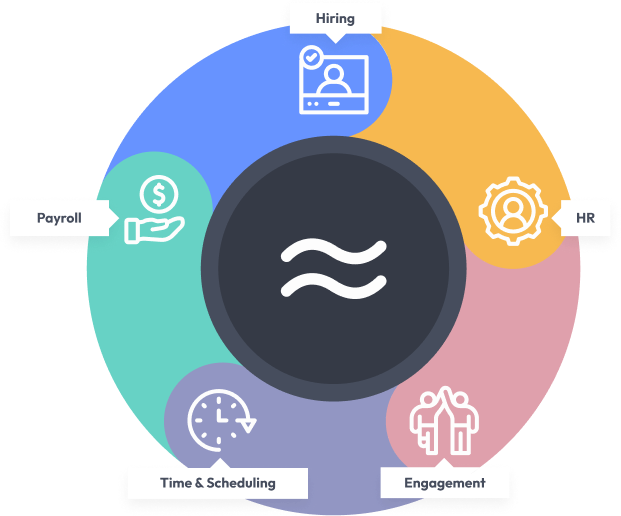

Hiring
Hire better quality workers, faster

HR
Streamline people processes and ensure employee records are always accurate

Engagement
Reduce turnover and increase worker engagement

Time & Scheduling
Manage schedules and hours worked to optimize your labor costs

Payroll
Pay your team quickly, easily, and accurately
resources
Become a hiring and onboarding expert.


Be smart with your hourly workforce
