



How to Hire Pool Service Technicians: Step-by-Step Guide for Finding Top Talent
Find out how to hire pool service technicians efficiently with our step-by-step guide, covering sourcing, screening, interviewing, and onboarding top talent for your pool service business.

How to Hire Pool Service Technicians: A Practical Guide for Small Business Owners
Hiring the right pool service technicians can feel a bit like searching for a needle in a haystack—especially when you’re juggling a million other things as a small business owner. But let’s be real: the quality of your pool maintenance staff can make or break your operation. Whether you’re running a busy pool cleaning business, managing a hotel, or overseeing a community pool, finding reliable, skilled pool service professionals is essential. So, how do you hire pool service technicians who stick around, keep customers happy, and actually show up on time? Let’s break it down—no jargon, just practical steps, a few digressions, and a healthy dose of empathy for what you’re up against.
Understanding the Modern Pool Service Workforce
What Makes a Great Pool Service Technician?
Before you start posting job ads, it’s worth pausing to define what you really need. Sure, technical know-how is important—nobody wants a “pool guy” who can’t tell a filter from a skimmer. But attitude, reliability, and communication skills matter just as much. According to research on turnover in hourly roles, hiring for attitude and training for skill can dramatically reduce turnover and boost team morale.
So, what should you look for?
- Basic mechanical aptitude and troubleshooting skills
- Strong attention to detail (because nobody wants a green pool!)
- Good communication—your customers notice, trust me
- Willingness to learn and adapt to new tech or processes
- Reliability—showing up on time is half the battle
Why Turnover Hurts—and How to Stop It
High turnover among pool service workers isn’t just annoying—it’s expensive. According to industry data, losing a single frontline worker can cost thousands when you factor in lost productivity, training, and customer dissatisfaction. The hospitality sector, in particular, struggles with this, as outlined in this deep dive on turnover causes. The good news? Focusing on engagement and clear career paths can make a real difference, as shown in this Harvard Business Review piece.
Recruiting and Attracting Top Pool Service Talent
Crafting Job Listings That Stand Out
Let’s be honest: most job ads for pool techs are about as exciting as a rainy day at the beach. If you want to make your job posting stand out, highlight what makes your business unique—flexible hours, training opportunities, or even just a positive work culture. For inspiration, check out these creative recruitment ads that actually make people want to apply.
Don’t forget to mention any benefits or perks. According to DoorDash’s research on benefits and retention, even small perks can help you attract and keep better employees.
Where to Find Qualified Candidates
- Online job boards (but don’t just stick to the big ones—niche sites matter)
- Referrals from current employees (reward them for bringing in good people!)
- Social media—yes, even Facebook groups can be goldmines for local talent
- Community colleges or trade schools with relevant programs
For a deeper look at sourcing candidates, this guide on finding candidates is packed with actionable tips.
Screening and Interviewing: Don’t Skip the Soft Skills
Technical tests are great, but don’t forget to ask about real-world scenarios. What would they do if a customer complains about cloudy water? How do they handle a tight schedule on a hot summer day? For more on effective interviewing, see motivational interviewing techniques and cultural fit interview questions.
Onboarding and Retaining Pool Maintenance Staff
Streamlining Onboarding for Success
First impressions matter—a lot. A clunky onboarding process can send new hires running for the hills. Automating paperwork, providing clear training materials, and setting expectations from day one can make a world of difference. For a step-by-step approach, check out these onboarding templates and onboarding best practices.
And if you’re tired of managing stacks of forms and schedules, platforms like Workstream can help you automate everything from hiring to scheduling—saving you hours every week and reducing costly errors.
Keeping Pool Service Professionals Engaged
Retention isn’t just about pay—though fair compensation is non-negotiable. It’s about respect, growth, and a sense of purpose. According to Fortune’s report on hourly workers, offering training, clear advancement paths, and recognition can dramatically boost engagement.
And don’t underestimate the power of a little flexibility. The impact of work-life balance is huge for hourly employees, especially in physically demanding roles like pool maintenance. Even small changes to scheduling can make a big difference, as seen in this case study on schedule control.
Compliance and Recordkeeping: Don’t Get Burned
Let’s not sugarcoat it—compliance can be a headache. But it’s absolutely vital. The Department of Labor has clear guidelines on recordkeeping for hourly workers. Miss a step, and you could face hefty fines or lawsuits. Automating your HR and payroll processes with a platform like Workstream can help you stay compliant and avoid those “uh-oh” moments.
Common Pitfalls and How to Avoid Them
Ignoring Culture Fit
It’s tempting to hire the first person with a good resume, but if they don’t mesh with your team, it’s a recipe for drama. For tips on building a strong team culture, see this study on job satisfaction and turnover intention and this take on company culture.
Underestimating Training Needs
Even seasoned pool techs need a refresher now and then. Regular training not only keeps your staff sharp, but also shows you care about their growth. For practical training tips, see how to conduct an effective training session and tips for employee handbooks—many are relevant for pool service businesses, too.
Neglecting Employee Feedback
Want to keep your best pool service workers? Ask them what’s working—and what’s not. Open communication can catch small problems before they snowball. For more on engagement, check out Gallup’s guide on employee engagement.
Conclusion: The Smart Way to Hire Pool Service Technicians
Let’s face it—hiring and keeping great pool service professionals isn’t easy, but it’s not rocket science either. Focus on attitude and culture fit, streamline your processes, and invest in your people. If you ask me, the right technology can make all the difference. Platforms like Workstream let you automate hiring, onboarding, scheduling, and payroll—cutting your admin time and helping you build a stronger team. And honestly, who doesn’t want more time to focus on growing their business (or maybe even taking a dip in the pool themselves)?
Want more tips on hiring and managing hourly workers? Check out these resources:
.svg)


All your important HR tasks under one roof
Today’s business owners and HR teams are overwhelmed with administrative tasks: manual processes and exports, duplicative data entry, and siloed information. Workstream centralizes and simplifies people tasks so you can move fast, reduce labor costs, and simplify operations—all in one place.
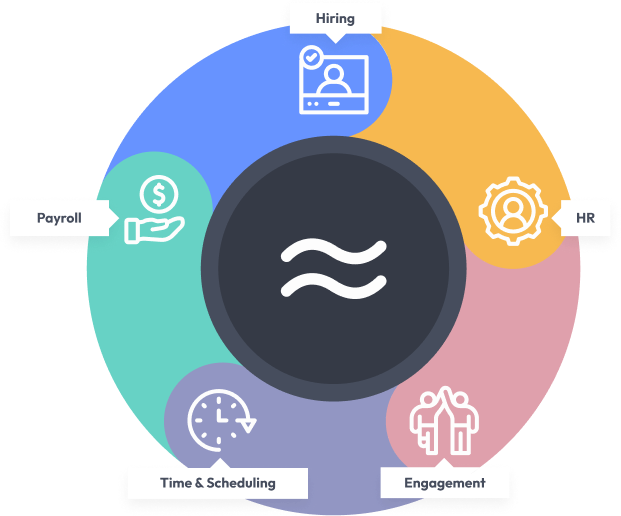

Hiring
Hire better quality workers, faster

HR
Streamline people processes and ensure employee records are always accurate

Engagement
Reduce turnover and increase worker engagement

Time & Scheduling
Manage schedules and hours worked to optimize your labor costs

Payroll
Pay your team quickly, easily, and accurately
resources
Become a hiring and onboarding expert.



Be smart with your hourly workforce
