



How to Hire Clinical Technicians: Streamline Clinical Tech Recruitment for Your Business
Streamline how you hire clinical technicians with Workstream’s mobile-first platform—automate clinical technician recruitment, simplify onboarding, and build a stronger clinical tech team.

How to Hire Clinical Technicians: A Practical Guide for Small Business Owners
If you’re running a clinic, urgent care, or any healthcare facility, you know that hiring clinical technicians isn’t just about filling a slot on the schedule. It’s about finding the right people who keep your operations humming and your patients safe. But let’s be honest—clinical technician recruitment can feel like searching for a needle in a haystack, especially when every minute counts and turnover is lurking around every corner.
Why Hiring the Right Clinical Techs Matters (More Than You Think)
Let’s start with the obvious: clinical technicians are the backbone of daily patient care. They’re drawing blood, prepping rooms, running tests—sometimes all before noon. If you ask me, the difference between a well-oiled clinic and chaos often comes down to your tech team. High turnover? That’s not just a headache; it’s expensive. According to industry research on employee turnover costs, losing a single front-line worker can set you back thousands in lost productivity and retraining.
And here’s something that might surprise you: employee turnover in healthcare rivals even the restaurant industry. So if you’re feeling the pinch, you’re not alone.
What Makes Clinical Technician Recruitment Tricky?
- Certification and compliance: You can’t just hire anyone off the street. State and federal regulations require specific credentials, background checks, and ongoing training. For more on legal requirements, check out Fisher Phillips’ employment law resources.
- Workforce shortages: The demand for skilled medical technicians far outpaces supply in many regions. If you’re in the South or Midwest, you probably feel this even more acutely.
- Burnout and engagement: Long shifts and emotionally demanding work can sap morale fast. According to Harvard Business Review’s insights on hourly worker retention, engagement is key to keeping your best techs on board.
The Steps to Hire Clinical Technicians (Without Losing Your Mind)
You don’t have to reinvent the wheel. Here’s a breakdown of what works—plus a few curveballs that might surprise you.
1. Write Job Descriptions That Actually Attract Talent
Your job ad is your first handshake with potential hires. Don’t just list duties—highlight growth, flexibility, and benefits. According to SHRM research on job ads, salary transparency and clear benefits boost applicant quality.
- Include required certifications and preferred experience up front.
- Mention perks like instant pay access or flexible shifts if you offer them.
- Showcase your workplace culture—are you big on teamwork? Say so! For inspiration, see these job posting examples.
2. Use Modern Tools for Clinical Tech Staffing
The old “post and pray” method won’t cut it anymore. Smart clinics use digital platforms to streamline hiring—think automated screening, text-based scheduling, and mobile-friendly applications. Platforms like Workstream’s hiring automation suite help reduce your time-to-hire by half (seriously).
- Automate interview scheduling to save hours per week—here’s a quick primer on hiring automation.
- Use pre-employment assessments to screen for technical skills—see how platforms like eSkill do it.
- Tap into specialized job boards or community colleges for fresh talent.
3. Don’t Skip Onboarding—It’s Where Retention Starts
You’ve found your candidate—now don’t let them slip through the cracks. Effective onboarding isn’t just paperwork; it’s about setting expectations, building confidence, and making new hires feel welcome from day one. Research from Backlinko on onboarding statistics shows that strong onboarding programs improve retention by up to 82%.
- Create digital onboarding checklists—here are some templates to get started.
- Assign a mentor or “buddy” for the first week.
- Automate reminders for compliance training and certifications renewal.
4. Keep Compliance Front and Center (No One Likes Lawsuits)
This is healthcare—we’re talking HIPAA, OSHA, and state licensing boards breathing down your neck. Mistakes here can cost you big time (think $25K+ per year in fines and legal headaches). For a refresher on compliance essentials, check out this guide from the U.S. Department of Labor.
If you want to make life easier, platforms like Workstream centralize all employee data and automate compliance tracking—so you don’t have to chase down paperwork or worry about missing deadlines.
The Human Side: How to Hire Medical Technicians Who Stick Around
If you’ve ever wondered why some techs stay for years while others bolt after a few months, it’s not just about pay (though that matters). It’s about respect, communication, and a sense of purpose. According to Fortune’s report on hourly worker satisfaction, offering career growth pathways and educational opportunities makes a huge difference.
Communication Is Key (And Often Overlooked)
You’d be amazed how many clinics lose good staff because of poor communication. Regular check-ins, clear feedback, and even simple group texts can boost morale. Tools like Axonify Communications are designed for frontline teams—worth a look if your staff is always on the move.
Avoiding Burnout: Small Gestures Go Far
- Rotate shifts fairly—don’t always stick the same person with weekends.
- Recognize achievements publicly—even just a shout-out at morning huddle helps.
- Offer mental health resources or flexible scheduling where possible.
If you’re curious about how other businesses tackle these challenges, check out Workstream’s stories on franchise growth or how companies like Walmart transformed their hourly workforce experience.
Pitfalls to Avoid When You Hire Medical Technicians
You’d think after all these years we’d stop making the same mistakes—but hey, we’re only human. Here are some classic blunders in clinical tech staffing:
- Ignoring cultural fit: Technical skills matter, but so does attitude. Use targeted interview questions like those in this culture fit interview guide.
- Poor onboarding: A rushed or chaotic first week is a recipe for early turnover. See onboarding horror stories (and how to avoid them) at Forbes’ onboarding advice.
- Lack of flexibility: Inflexible schedules drive away top talent—especially parents or students working as techs.
- Not tracking labor costs: Underestimating the true cost of an employee hurts your bottom line. For help calculating real costs, see this breakdown from Beebole.
The Bottom Line: Make Clinical Tech Staffing Your Competitive Advantage
If you want to hire clinical technicians who stick around, deliver great care, and help your business thrive, it pays to invest in smart recruitment, seamless onboarding, and ongoing engagement. Sure, it takes effort—but with tools like Workstream’s all-in-one platform, you can cut turnover by half and focus more on what matters: your patients and your people.
Ready to take your clinical technician recruitment up a notch? Explore more about Workstream’s hiring automation tools, see how other businesses are winning with smarter hiring strategies in our HR statistics roundup, or get inspired by these creative job posting tips. And if you’re curious about how instant pay access or part-time hours can help attract better candidates, don’t miss our guides on instant pay access for hourly workers and understanding part-time hours rules.
Disclaimer: This article is for informational purposes only and does not constitute legal advice. Always consult with a qualified professional regarding compliance with federal and state regulations when hiring medical technicians.
.svg)


All your important HR tasks under one roof
Today’s business owners and HR teams are overwhelmed with administrative tasks: manual processes and exports, duplicative data entry, and siloed information. Workstream centralizes and simplifies people tasks so you can move fast, reduce labor costs, and simplify operations—all in one place.
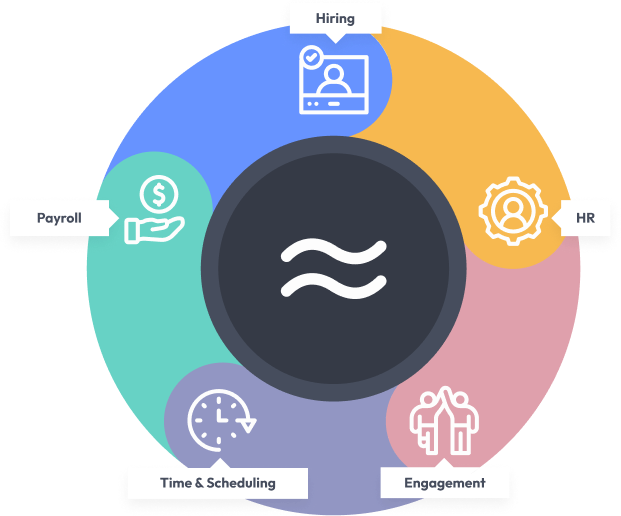

Hiring
Hire better quality workers, faster

HR
Streamline people processes and ensure employee records are always accurate

Engagement
Reduce turnover and increase worker engagement

Time & Scheduling
Manage schedules and hours worked to optimize your labor costs

Payroll
Pay your team quickly, easily, and accurately
resources
Become a hiring and onboarding expert.



Be smart with your hourly workforce
