



How to Hire Retail Associates: Proven Steps to Build a Reliable Store Team
Learn the best ways to hire retail associates, from writing job descriptions to onboarding, with our step-by-step guide designed to help stores find top talent quickly and efficiently.

How to Hire Retail Associates: The Practical Guide Every Store Owner Needs
If you ask me, there’s nothing quite like the buzz of a busy retail floor—customers chatting, registers ringing, and your team hustling to keep things running smooth. But here’s the thing: none of that magic happens without the right people. Figuring out how to hire retail associates who show up, stick around, and deliver great service? That’s a challenge that keeps even the most seasoned store owners up at night. Let’s break it down together, with some real-world advice, a few stories, and a dash of what’s working now.
Why Getting Retail Associate Recruitment Right Matters
Let’s be honest—turnover in retail is higher than a summer electric bill in Texas. According to industry research on turnover, losing a front-line employee can cost you thousands in lost sales, training, and morale. And when you’re constantly scrambling to find store associates, it’s tough to build the kind of team that keeps customers coming back. So, what’s behind this revolving door?
- Burnout and lack of engagement—retail work is demanding, and staff want to feel valued.
- The cost of turnover—it’s not just about hiring; it’s about keeping good people.
- Hidden costs—think lost productivity, mistakes, and even customer dissatisfaction.
So, what actually works for retail associate recruitment? Let’s look at the steps that make a difference, from writing a killer job post to onboarding like a pro.
Building Your Retail Dream Team: Step-by-Step
1. Nail the Job Description
First impressions count. A clear, honest job description weeds out the tire-kickers and attracts folks who are actually excited to join your team. For inspiration, check out these job posting examples or get creative with fun recruitment ads that show off your store’s personality. And don’t forget to highlight perks—benefits matter more than ever for today’s retail workforce.
2. Cast a Wide Net (But Don’t Waste Time)
Gone are the days when taping a “Help Wanted” sign in the window did the trick. These days, you need to proactively find candidates using digital tools. Platforms like Workstream let you post jobs across multiple sites, screen applicants automatically, and even text candidates for faster replies. Honestly, if you’re still sorting through stacks of paper resumes, you’re missing out on great talent.
- Use digital recruiting strategies to reach more applicants.
- Leverage Indeed and social media for wider reach.
- Try Instagram job postings to connect with younger job seekers.
3. Screen for Attitude, Train for Skill
Here’s something that surprised me: according to Harvard Business Review, the best retail teams hire for attitude and train for skill. You want people who are upbeat, reliable, and genuinely enjoy helping others. Tools like pre-employment assessments or motivational interviewing techniques can help you spot these qualities early on.
4. Move Fast—But Don’t Rush
Retail is fast-paced, and good candidates get snapped up quickly. Automated scheduling and screening, like what Workstream’s hiring automation offers, can cut your time-to-hire in half. But don’t just hire anyone with a pulse—take a moment to check references and assess fit. A little patience up front saves a lot of headaches later.
5. Onboard Like You Mean It
Ever notice how some new hires hit the ground running, while others seem lost for weeks? That’s the power of a solid onboarding process. Use digital onboarding tools (Workstream’s got a great onboarding template guide) to get paperwork done fast, introduce new hires to your culture, and set clear expectations. A warm welcome can make all the difference in whether someone sticks around.
Retention: The Secret Sauce to a Strong Store Team
Why Associates Leave—and How to Keep Them
Let’s be real—no one wants to feel like just another cog in the machine. According to research on young hourly workers, engagement and recognition are key. Here’s what helps:
- Recognition and feedback—even a simple “thank you” goes a long way.
- Flexible schedules—work-life balance isn’t just a buzzword.
- Celebrate milestones—build loyalty by recognizing anniversaries and achievements.
- Boost engagement with team-building and open communication.
And don’t forget compliance—keeping up with recordkeeping requirements and labor laws protects your business and builds trust with your team.
Smart Tech, Real Savings
Here’s a little industry secret: using an all-in-one HR platform like Workstream can replace up to seven separate tools, saving you money and serious admin headaches. Features like automated scheduling, instant pay access, and integrated payroll aren’t just nice-to-haves—they help you keep workers happy and cut down on turnover. That’s money in your pocket and less stress for everyone.
Common Pitfalls (And How to Dodge Them)
- Vague job postings: Be specific about duties, expectations, and benefits. If you’re not sure how, check out these handbook tips.
- Slow response times: Candidates expect quick replies. Use automation to speed up communication.
- Ignoring culture fit: Skills matter, but attitude is everything. Use cultural fit interview questions to find the right match.
- Skipping onboarding: Don’t just toss new hires into the deep end. A structured onboarding process reduces early turnover.
And if you’re feeling overwhelmed, you’re not alone. Even big brands have struggled with turnover and engagement—just look at Amazon’s engagement woes or Walmart’s transformation efforts.
Conclusion: Your Next Great Retail Hire Is Out There
So, what’s the bottom line? Learning how to hire retail associates isn’t just about posting a job and hoping for the best. It’s about being intentional—crafting clear job ads, moving fast, screening for the right attitude, and onboarding with care. The payoff? Lower turnover, happier teams, and a store that runs like clockwork, even on Black Friday.
If you’re ready to put these ideas into action, consider tools that make the process easier—Workstream’s platform is designed for businesses just like yours, with features built for hourly hiring, onboarding, scheduling, and payroll. And hey, if you ever need a little extra help, reach out to the Workstream team—they’re always happy to chat.
More Resources for Retail Hiring Success
.svg)


All your important HR tasks under one roof
Today’s business owners and HR teams are overwhelmed with administrative tasks: manual processes and exports, duplicative data entry, and siloed information. Workstream centralizes and simplifies people tasks so you can move fast, reduce labor costs, and simplify operations—all in one place.
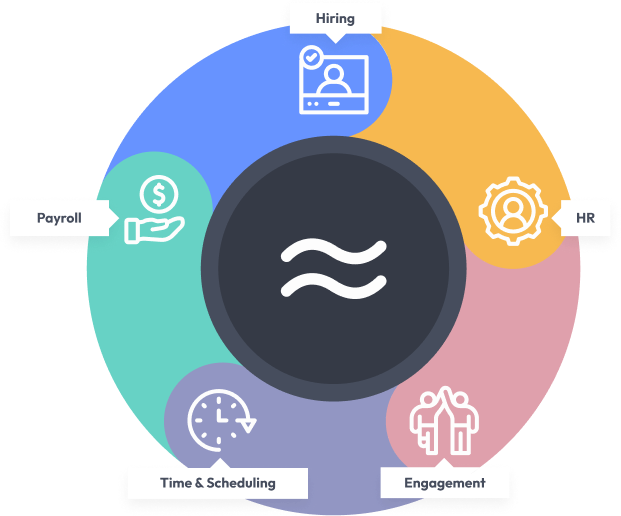

Hiring
Hire better quality workers, faster

HR
Streamline people processes and ensure employee records are always accurate

Engagement
Reduce turnover and increase worker engagement

Time & Scheduling
Manage schedules and hours worked to optimize your labor costs

Payroll
Pay your team quickly, easily, and accurately
resources
Become a hiring and onboarding expert.

Be smart with your hourly workforce
