



How to Hire Hairdressers: Proven Steps to Find, Interview, and Retain Top Salon Talent
Discover expert tips to hire hairdressers, streamline your recruitment process, and build a talented salon team for long-term business success.

How to Hire Hairdressers: A Real-World Guide to Building Your Dream Salon Team
Let’s be honest—trying to hire hairdressers who are talented, reliable, and a great fit for your salon can feel like searching for a needle in a haystack. The stakes are high: your stylists are the face of your business, and every bad hire can affect your reputation, customer loyalty, and bottom line. But, with the right approach, you can find salon stylists who’ll help your business thrive, not just survive.
Why Hiring the Right Hairdresser Matters More Than Ever
It’s no secret that turnover in the beauty industry is a thorn in the side of many salon owners. According to industry research, high turnover isn’t just a restaurant problem—it’s rampant in salons, too. Losing a stylist means lost revenue, disrupted client relationships, and extra recruiting headaches. And let’s not forget, every time you recruit beauty professionals, you’re investing time and money in onboarding and training. So, what’s the secret sauce to keeping your chairs full and your clients happy?
Understanding What Stylists Want
Before you even post a job ad, it’s worth considering what today’s stylists are really looking for. According to employee happiness surveys, flexibility, a positive work environment, and opportunities for growth top the wish list. If you ask me, offering a clear path to advancement and a supportive culture can set your salon apart from the competition.
The Cost of a Bad Hire
Ever wondered what a single mis-hire can cost? Some studies, like this one, suggest it’s more than you think—lost clients, wasted training hours, and a hit to team morale. That’s why getting it right the first time is worth its weight in gold.
Recruiting Beauty Professionals: Where to Start?
Crafting a Standout Job Description
Your job post is your first impression. Highlight what makes your salon unique, and don’t be shy about mentioning perks, benefits, or your salon’s vibe. For inspiration, check out these job posting examples tailored for the hourly workforce. Want to really stand out? Use these creative tips for job postings to attract the right talent.
Where to Find Salon Stylists
- Online Job Boards: Sites like Indeed, Craigslist, and even Instagram (yes, really!) are goldmines for finding stylists. Here’s how to use Instagram to hire hourly workers and reach a younger, digital-savvy crowd.
- Industry Networks: Don’t underestimate the power of word-of-mouth. Encourage your current team to refer friends—referrals often lead to longer-tenured hires, as seen in employee referral program guides.
- Beauty Schools: Partner with local cosmetology schools. These connections can be a steady pipeline for fresh talent, eager to learn and grow.
Screening and Interviewing: Beyond the Resume
Skills matter, but attitude is everything. When you hire hairdressers, focus on cultural fit and customer service skills. Use targeted interview questions—like these cultural fit interview questions—to dig deeper into a candidate’s personality and values. For more on motivational interviewing, check out these techniques that help uncover what truly drives your applicants.
Building a Strong Hair Salon Staff: Onboarding and Retention
Onboarding Done Right
First impressions last. A smooth onboarding process helps new hires feel welcome and sets clear expectations. Streamline your onboarding with these onboarding templates—they turn hours of paperwork into minutes. And if you’re curious about how tech can help, Workstream’s mobile-first platform is designed to make onboarding a breeze for both managers and new stylists.
Keeping Your Team Engaged
Retention isn’t just about pay (though competitive wages help—see how top companies pay hourly workers). It’s about creating a culture where stylists feel valued. According to Harvard Business Review, engagement leads to lower turnover and higher productivity. Simple gestures—like celebrating work anniversaries (here’s a guide)—can make a big difference.
Scheduling and Flexibility
Let’s face it: stylists crave flexibility. Offering self-service scheduling or shift swapping (like the approach used by Gap’s scheduling app) can boost morale and reduce last-minute callouts. If you’re tired of juggling spreadsheets, this 24-hour schedule template can help maximize efficiency.
Compliance, Payroll, and the Nitty-Gritty Details
Legal Must-Knows for Salon Owners
Don’t get caught off guard by compliance issues. The Department of Labor requires you to keep detailed records for every employee—hours, wages, and more. And if you’re offering benefits, make sure you know the rules for part-time employee eligibility.
Payroll and Benefits: More Than Just a Paycheck
Offering perks like instant pay access (learn more here) or health insurance can help you recruit beauty professionals and keep them around. According to DoorDash’s industry report, benefits are a game-changer for hiring and retention in service businesses.
Cutting Costs and Saving Time with the Right Tools
Honestly, no one wants to spend hours on admin work. With an all-in-one platform like Workstream, you can automate hiring, onboarding, scheduling, payroll, and compliance—replacing up to seven different tools and saving thousands each year. That’s time you can spend growing your business or, you know, actually talking to your clients.
Common Pitfalls and How to Avoid Them
- Rushing the Hire: It’s tempting to fill an empty chair fast, but a hasty decision can backfire. Take the time to vet candidates thoroughly.
- Neglecting Culture Fit: Skills can be taught, but attitude and work ethic are harder to change. Prioritize team chemistry.
- Ignoring Onboarding: Skipping proper onboarding leads to confusion and turnover. Use checklists and templates to stay organized.
- Forgetting Compliance: Stay up to date with labor laws and wage requirements. Ignorance isn’t bliss when it comes to fines.
Conclusion: Building a Winning Salon Team Takes More Than Scissors and Style
Finding and keeping great hairdressers isn’t just about posting a job and hoping for the best. It’s about understanding what stylists want, creating a welcoming culture, and using smart tools to make your life easier. If you’re serious about building a top-notch hair salon staff, consider streamlining your hiring automation and onboarding with platforms like Workstream—because your time is better spent on the salon floor than buried in paperwork. Ready to make your next hire your best one yet?
Want to Learn More?
- Discover more about restaurant hiring and how it relates to beauty businesses.
- Explore tips for calling out benefits in your job descriptions to attract quality candidates.
- Get inspired by how a Dunkin’ franchisee improved hiring with streamlined processes.
- See how committed employees can transform your business.
- Read up on must-know hiring statistics for your HR strategy.
.svg)


All your important HR tasks under one roof
Today’s business owners and HR teams are overwhelmed with administrative tasks: manual processes and exports, duplicative data entry, and siloed information. Workstream centralizes and simplifies people tasks so you can move fast, reduce labor costs, and simplify operations—all in one place.
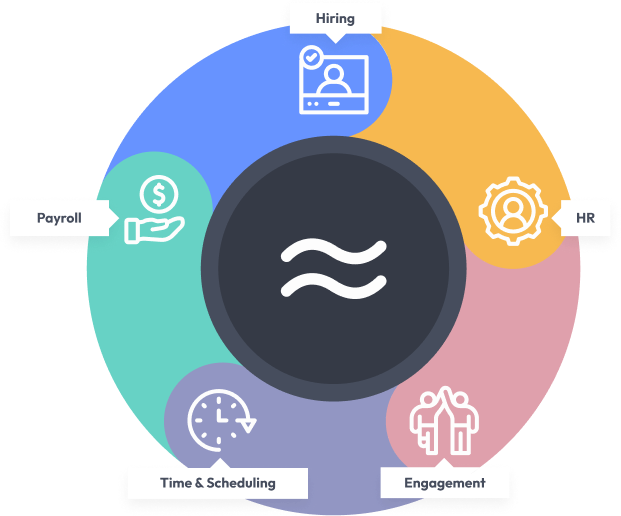

Hiring
Hire better quality workers, faster

HR
Streamline people processes and ensure employee records are always accurate

Engagement
Reduce turnover and increase worker engagement

Time & Scheduling
Manage schedules and hours worked to optimize your labor costs

Payroll
Pay your team quickly, easily, and accurately
resources
Become a hiring and onboarding expert.



Be smart with your hourly workforce
