



How to Hire Retail Merchandisers: Step-by-Step Guide for Finding and Hiring Top Talent
Learn the best strategies to hire retail merchandisers, from sourcing top talent to onboarding, and build a strong team to boost your store’s sales and customer experience.

How to Hire Retail Merchandisers: A Practical Guide for Small Business Owners
Let’s be honest—finding the right team to hire retail merchandisers can feel a bit like searching for the perfect pair of jeans. You know they’re out there, but the fit has to be just right. Whether you’re running a bustling franchise or a cozy boutique, your merchandisers are the folks who turn your store’s vision into reality. So, how do you find store merchandisers who don’t just fill a role, but actually lift your business? Let’s walk through the process, with a few detours into what really matters for today’s retail landscape.
Why Merchandisers Matter—And What Makes a Great One?
Retail merchandising isn’t just about putting products on shelves. It’s about creating an experience that keeps customers coming back. If you ask me, a good merchandiser is part artist, part analyst, and part people-person. They’re the ones who know how to write an effective employee handbook, keep the displays fresh, and spot trends before they hit the mainstream.
What Does a Merchandiser Actually Do?
- Design and maintain store displays
- Analyze sales data to inform product placement
- Collaborate with store managers and suppliers
- Train new staff on merchandising standards
Want to see how top-performing managers support their merchandisers? It’s all about teamwork and communication.
Qualities to Look For
- Attention to detail
- Creative flair
- Strong organizational skills
- Ability to work independently and as part of a team
And don’t forget, commitment and reliability go a long way in retail. If you’ve ever had to scramble because someone called out last minute, you know what I mean.
Finding and Recruiting Retail Staff: Where to Start?
So, you’re ready to recruit retail staff. But where do you even begin? Sure, you could slap a “Help Wanted” sign in the window, but these days, it takes a bit more finesse.
Modern Sourcing: Beyond the Bulletin Board
- Leverage digital recruiting strategies to reach a wider audience.
- Use job boards like Indeed and social media platforms to attract younger talent.
- Consider proactive candidate sourcing for specialized roles like store display specialists.
Honestly, if you’re not using tech to streamline your hiring, you’re missing out. Platforms like Workstream can automate the process, saving you hours each week and cutting your time-to-hire in half. That’s not just a nice-to-have—it’s a game-changer during busy seasons or when you’re short-staffed.
Writing the Right Job Description
Your job post is your first impression. Make it count! Highlight growth opportunities, flexibility, and any unique perks. For inspiration, check out these job posting examples and creative tips to make your listing stand out.
Interviewing and Onboarding: Setting the Stage for Success
Alright, you’ve got applicants lined up. Now what? Interviewing isn’t just about ticking boxes—it’s about finding the right fit for your store’s culture and needs.
Interview Tips for Retail Merchandising
- Ask about past display projects or problem-solving scenarios
- Use behavioral interview techniques to gauge real-world skills
- Include culture fit questions to see how they’ll mesh with your team
And don’t underestimate the power of a good onboarding process. A smooth start can boost retention and engagement from day one. For a head start, grab these onboarding templates and see how digital workflows can turn hours of paperwork into minutes.
Compliance and Recordkeeping: Don’t Skip the Details
Retailers need to keep their ducks in a row when it comes to compliance. That means proper recordkeeping (see the Department of Labor’s guidelines), up-to-date employee files, and clear policies. Workstream’s all-in-one platform helps centralize this data, reducing manual errors and helping you avoid those pesky fines that can sneak up on you.
Retention: Keeping Your Merchandisers Happy (and On Your Team)
Here’s the thing—hiring is just the beginning. The real challenge? Keeping great merchandisers around. High turnover is a silent profit killer, especially in retail. Did you know that losing a front-line employee can cost you over $5,800 on average?
What Drives Turnover—and How to Fix It
- Lack of clear career paths
- Poor scheduling or unpredictable hours
- Limited benefits or recognition
Offering competitive benefits and wellness perks can make a huge difference. And don’t forget about scheduling—tools like Workstream’s shift management empower employees and reduce burnout.
For more strategies, check out these resources on reducing turnover and engagement for hourly workers. And if you’re curious about the real impact of turnover, this cost breakdown is eye-opening.
Tools and Trends: Staying Ahead in Retail Hiring
Retail is always evolving. From recruitment marketing benchmarks to hourly worker satisfaction, it pays to stay informed. Automated platforms like Workstream are helping businesses cut costs, improve compliance, and build stronger teams—all while letting managers focus on what really matters: their people and customers.
And if you’re still on the fence, just know that switching to a streamlined HR solution can replace up to seven different tools, saving you thousands each year. That’s not just a win for your bottom line—it’s a breath of fresh air for your whole team.
Conclusion: Building Your Merchandising Dream Team
Hiring the right retail merchandisers isn’t rocket science, but it does take intention, the right tools, and a bit of heart. Focus on finding store merchandisers who share your vision, use technology to make the process easier, and don’t forget to invest in your team’s growth and well-being. Because at the end of the day, your people are your brand.
Ready to take your hiring to the next level? Explore more about hiring automation and restaurant hiring strategies with Workstream. For more tips on highlighting benefits in job descriptions and onboarding new hires, check out our resource hub. And if you want to see how the pros do it, don’t miss our franchise success stories. Happy hiring!
.svg)


All your important HR tasks under one roof
Today’s business owners and HR teams are overwhelmed with administrative tasks: manual processes and exports, duplicative data entry, and siloed information. Workstream centralizes and simplifies people tasks so you can move fast, reduce labor costs, and simplify operations—all in one place.
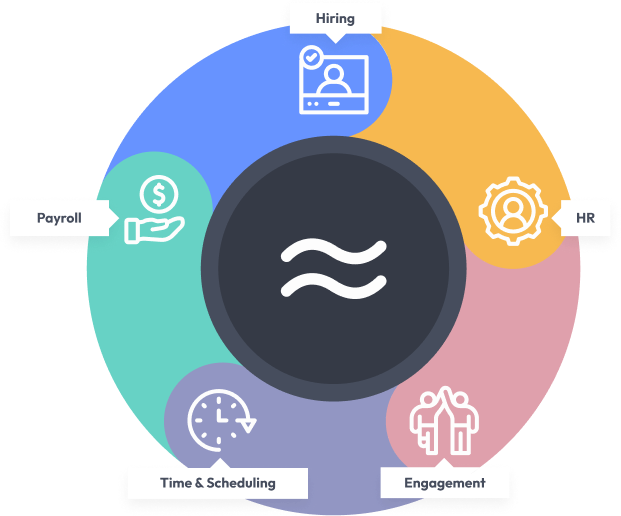

Hiring
Hire better quality workers, faster

HR
Streamline people processes and ensure employee records are always accurate

Engagement
Reduce turnover and increase worker engagement

Time & Scheduling
Manage schedules and hours worked to optimize your labor costs

Payroll
Pay your team quickly, easily, and accurately
resources
Become a hiring and onboarding expert.

Be smart with your hourly workforce
