



How to Hire Patient Sitters: Step-by-Step Guide for Small Business Owners
Learn how to hire patient sitters efficiently with our step-by-step guide, from job posting to onboarding, and find the best candidates for your healthcare team.

How to Hire Patient Sitters: A Practical Guide for Small Business Owners
If you run a healthcare facility or manage a senior living community, you know that finding and keeping great people is half the battle. When it comes to hire patient sitters, the stakes are even higher—these are the folks who provide crucial companionship and safety for vulnerable patients. But how do you find reliable, compassionate sitters without getting bogged down in paperwork or high turnover? Let’s walk through the essentials, with a few detours into what actually works (and what doesn’t) in the real world.
Understanding the Role: What Makes a Great Patient Sitter?
Before you start searching, it’s important to nail down what you’re looking for. A patient sitter isn’t just a warm body in a chair—they’re a lifeline for patients who need extra eyes, ears, and empathy. The best sitters are patient, observant, and know how to keep calm when things get hectic. If you’re hoping to hire caregiver staff who stick around, it pays to be clear about expectations from the get-go.
Key Qualities to Look For
- Empathy and patience: These are non-negotiable. Sitters often spend hours with patients who may be confused, anxious, or in pain.
- Reliability: No-shows can put patients at risk and frustrate your team.
- Communication skills: Sitters are a bridge between patients, families, and clinical staff.
- Attention to detail: Spotting subtle changes in a patient’s mood or health can make all the difference.
For more on what makes hourly employees happy and engaged, check out this survey of employee satisfaction—the lessons apply far beyond the restaurant world.
Where to Find Patient Sitters (And How to Attract the Best)
Let’s be honest—posting a generic job ad and hoping for the best just doesn’t cut it anymore. The competition for talent is fierce, especially for roles that require compassion and flexibility. Here’s what works:
Crafting a Standout Job Description
- Highlight the meaningful impact of the role. People want to know their work matters. For inspiration, see these job posting examples tailored for hourly roles.
- Be transparent about pay, hours, and expectations. According to SHRM research, clear salary info attracts more applicants.
- Call out benefits and flexibility. The impact of benefits on hiring and retention is huge—even small perks can tip the scales.
Smart Sourcing Strategies
- Leverage digital platforms—don’t just stick to the old job boards. Consider using specialized hiring tools that streamline the process for hourly roles.
- Tap into referrals and local networks. Sometimes your best hires come from word of mouth or community connections.
- Use social media creatively. Posting on Facebook groups or even Instagram can help you reach new pools of talent.
For more on how to proactively find candidates, this guide to sourcing talent is packed with actionable tips.
Simplifying the Hiring Process: Screening, Interviewing, and Onboarding
Here’s the thing: The best candidates won’t wait around while you shuffle paperwork or play phone tag. Streamlining your process isn’t just about saving time—it’s about landing the right people before someone else does.
Screening and Interviewing
- Use pre-employment assessments to gauge fit. Platforms like eSkill offer customizable tests for healthcare and caregiving roles.
- Ask the right questions. Explore cultural fit interview questions to find out if a candidate’s values match your organization.
- Don’t forget motivational interviewing—see these interviewing techniques for tips on drawing out real-life examples of empathy and resilience.
Onboarding That Actually Works
- Go digital where possible. Mobile-friendly onboarding, like what Workstream offers, means less paperwork and more time for training.
- Set clear expectations from day one. Use these onboarding templates to make sure nothing falls through the cracks.
- Pair new hires with experienced staff for shadowing—learning by doing is often the fastest way to build confidence.
For a deeper dive into onboarding, check out this guide to onboarding best practices.
Retention and Compliance: Keeping Your Best Sitters (and Staying Out of Trouble)
So you’ve managed to find patient sitters who are a great fit. Now comes the hard part—keeping them engaged and compliant with all the rules. High turnover isn’t just a headache; it’s expensive. According to industry data, losing a single frontline worker can cost thousands in lost productivity and retraining.
Retention Strategies That Stick
- Offer growth opportunities, even in entry-level roles. A little investment in training can go a long way, as seen in this case study of low-turnover teams.
- Foster a culture of recognition and belonging. The top driver of engagement is a sense of belonging—don’t underestimate the power of a simple thank-you.
- Keep communication open. Use team messaging tools or regular check-ins to make sure sitters feel heard and supported.
Compliance and Legal Considerations
- Stay on top of wage and hour laws. The Department of Labor has clear guidelines on recordkeeping for hourly workers.
- Document everything. Use digital systems to track hours, breaks, and certifications—this helps avoid costly mistakes down the line.
- Provide ongoing training on safety and patient rights. For more on effective training, see these training techniques.
Disclaimer: This article is for informational purposes only and does not constitute legal advice. Always consult with a qualified professional regarding compliance in your state.
Why Workstream Makes Sense for Hiring Patient Sitters
If you ask me, juggling multiple spreadsheets, phone calls, and onboarding checklists is a recipe for burnout—both for you and your team. That’s where platforms like Workstream come in. By automating repetitive tasks, providing mobile onboarding, and keeping all your data in one place, you can hire patient sitters faster, cut down on errors, and spend more time building relationships with your staff and patients.
And let’s not forget the numbers: Workstream users have cut time-to-hire in half and saved thousands per year on labor costs and compliance headaches. That’s not just good business—it’s peace of mind.
Conclusion: Building a Strong Patient Sitter Team for the Long Haul
Hiring and keeping great patient sitters isn’t about luck—it’s about having the right systems, the right culture, and a little bit of heart. By focusing on clear expectations, streamlined processes, and genuine engagement, you’ll not only fill shifts—you’ll build a team that truly cares. And in this business, that’s what matters most.
Related Resources on Workstream
- Learn more about hiring automation for healthcare and hourly roles
- Explore our onboarding templates for a smoother start
- Discover how to hire patient sitters with Workstream
- Find tips for improving employee retention in care settings
- Contact our team for more info on streamlining your hiring process
.svg)


All your important HR tasks under one roof
Today’s business owners and HR teams are overwhelmed with administrative tasks: manual processes and exports, duplicative data entry, and siloed information. Workstream centralizes and simplifies people tasks so you can move fast, reduce labor costs, and simplify operations—all in one place.
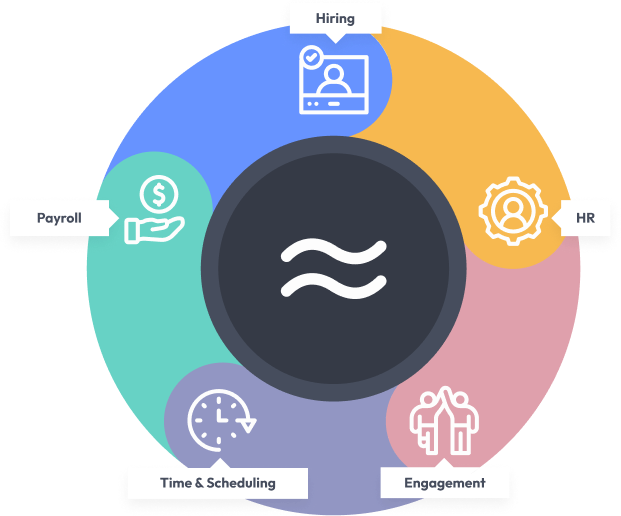

Hiring
Hire better quality workers, faster

HR
Streamline people processes and ensure employee records are always accurate

Engagement
Reduce turnover and increase worker engagement

Time & Scheduling
Manage schedules and hours worked to optimize your labor costs

Payroll
Pay your team quickly, easily, and accurately
resources
Become a hiring and onboarding expert.



Be smart with your hourly workforce
