



How to Hire Expeditors: Step-by-Step Guide for Restaurant Owners and Managers
Learn how to hire expeditors for your restaurant with our step-by-step guide. Discover best practices, tips, and tools to find and onboard top expeditor talent efficiently.

How to Hire Expeditors: The Ultimate Guide for Restaurants and Small Businesses
Let’s be honest—if you’ve ever watched a kitchen during the dinner rush, you know the expeditor is the unsung hero. They’re the glue between the back and front of house, juggling tickets, calming nerves, and making sure every plate looks just right. But how do you hire expeditors who can handle the heat—literally and figuratively? Whether you’re a franchisee, a local diner owner, or managing a fast-casual spot, finding the right expeditor can make or break your guest experience. So, let’s roll up our sleeves and get into the nitty-gritty of hiring, recruiting, and keeping top-notch expeditor staff.
What Does an Expeditor Actually Do?
Understanding Expeditor Job Duties
Before you start to hire restaurant expeditors, it pays to know what you’re looking for. An expeditor, or “expo,” is the kitchen’s quarterback. They:
- Check every plate before it leaves the kitchen—think of them as quality control on steroids.
- Coordinate timing between cooks and servers, making sure food hits the table hot and correct.
- Communicate changes, allergies, or special requests clearly and quickly.
- Keep the kitchen organized during peak hours, often stepping in to help wherever needed.
Honestly, it’s a role that demands nerves of steel and a knack for multitasking. If you’re curious about how these duties compare to other kitchen roles, check out this restaurant employee handbook guide for more context.
Recruiting and Hiring: Where to Find Kitchen Expeditors
Modern Strategies to Find Kitchen Expeditors
Old-school “Help Wanted” signs still have their charm, but let’s face it—most great expeditors aren’t strolling by your window. To recruit expeditor staff who can actually keep up, you’ll want to:
- Leverage digital job boards and platforms designed for hourly hiring. For example, Workstream’s hiring automation helps you post jobs, screen candidates, and schedule interviews all in one place.
- Use social media—Instagram and Facebook are surprisingly effective for reaching younger, tech-savvy candidates. Here’s a handy Instagram hiring guide if you need a crash course.
- Tap into employee referrals. Your current staff often know people in the industry who’d be a great fit. (And let’s be real, a trusted recommendation beats a cold resume any day.)
- Highlight your benefits and culture. According to DoorDash’s research on benefits and recruitment, perks like flexible scheduling and instant pay access can help you stand out.
And don’t forget, a strong job posting is your first impression. Make it count—be clear about the role, expectations, and what makes your team special.
Screening and Interviewing: What to Look For
Here’s the thing: resumes only tell half the story. When you’re ready to hire expeditors, focus on:
- Communication skills—can they keep their cool and get the message across, even when the printer jams and the fryer’s beeping?
- Attention to detail—every plate, every ticket, every time.
- Ability to multitask and prioritize under pressure.
- Previous experience in fast-paced kitchens is a plus, but don’t underestimate a quick learner with the right attitude. For more on this, check out this case study on hiring for attitude.
If you’re looking for interview tips, these motivational interviewing techniques can help you dig deeper than the usual “What’s your greatest weakness?” routine.
Common Pitfalls (And How to Dodge Them)
Why Hiring Expeditors Can Go Sideways
Let’s not sugarcoat it—turnover in restaurant roles is sky-high. According to Michelin’s feature on turnover, the cost of losing a front-line employee can be thousands of dollars. If you don’t want to be stuck in a never-ending hiring loop, avoid these traps:
- Rushing the process—desperation hires almost always backfire.
- Failing to train properly. A great onboarding experience can cut turnover in half. For inspiration, see these onboarding templates.
- Ignoring cultural fit. An expeditor who clashes with your team can disrupt the whole kitchen vibe. For more, check out cultural fit interview questions.
And don’t forget compliance! You’ll need to keep accurate records and follow wage laws. The Department of Labor’s recordkeeping guide is a must-read for staying out of hot water.
Retention: Keeping Your Expeditors Happy (and On Staff)
Engagement and Growth
So you’ve managed to hire expeditors who rock—now, how do you keep them? The answer isn’t just about pay (though that matters). According to this survey on restaurant employee happiness, factors like recognition, flexible scheduling, and a sense of purpose play a huge role. Here are a few practical ideas:
- Offer instant pay access—learn how it works in this guide.
- Provide clear paths for advancement. Even if it’s a small team, show how expeditors can grow into lead or management roles.
- Use digital scheduling tools to give staff more control over their shifts. See how Gap’s employees gained more control with tech.
- Recognize and reward great work—sometimes a simple “thank you” or shift meal goes a long way.
And if you’re still struggling with turnover, this deep dive on reducing turnover is packed with actionable tips.
Why Workstream Makes Hiring Expeditors Easier
Here’s where Workstream quietly shines. With hiring automation, you can cut your time-to-hire in half, reduce turnover, and even save thousands on HR tool costs. The platform’s mobile-first workflows make it easy for candidates to apply, managers to review, and everyone to stay in sync—no more lost applications or missed interviews. Plus, integrated compliance tools help you avoid costly mistakes, and digital onboarding ensures new hires hit the ground running. If you ask me, that’s a recipe for less stress and more satisfied customers.
Conclusion: The Secret Sauce to Hiring Great Expeditors
Hiring expeditors isn’t just about filling a spot on the line—it’s about finding someone who can keep the wheels turning, even when the kitchen feels like a pressure cooker. Focus on clear job descriptions, smart recruiting, and a welcoming culture, and you’ll be well on your way to building a team that sticks around. If you’re ready to make your next hire, or just want to see how technology can make your life easier, learn more about Workstream and how it’s helping businesses like yours thrive.
Want to Dig Deeper?
- Explore restaurant hiring strategies for more tips.
- Check out traits of committed employees to spot your next star expeditor.
- See how to highlight benefits in your job postings to attract top talent.
- Read up on best job posting examples to make your listings stand out.
- For a closer look at onboarding, don’t miss these onboarding templates.
.svg)


All your important HR tasks under one roof
Today’s business owners and HR teams are overwhelmed with administrative tasks: manual processes and exports, duplicative data entry, and siloed information. Workstream centralizes and simplifies people tasks so you can move fast, reduce labor costs, and simplify operations—all in one place.
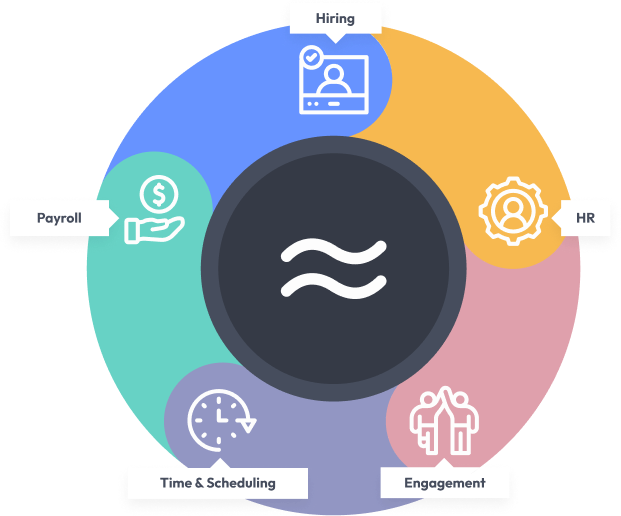

Hiring
Hire better quality workers, faster

HR
Streamline people processes and ensure employee records are always accurate

Engagement
Reduce turnover and increase worker engagement

Time & Scheduling
Manage schedules and hours worked to optimize your labor costs

Payroll
Pay your team quickly, easily, and accurately
resources
Become a hiring and onboarding expert.

Be smart with your hourly workforce
