



How to Hire Personal Care Assistants: Step-by-Step Tips to Find and Retain Top Caregiving Talent
Discover the best practices to hire personal care assistants, streamline your recruitment process, and find reliable candidates for your care team with our easy-to-follow guide.

How to Hire Personal Care Assistants: A Practical Guide for Small Business Owners
Let’s be honest—when you need to hire personal care assistants, it’s not just about filling a role. It’s about finding the right people to support your clients and their families, often during some of life’s most vulnerable moments. Whether you’re running a home care agency, a senior living facility, or simply expanding your staff, the stakes are high and the challenges are real. So, how do you cut through the noise, attract great talent, and keep them around? Grab a cup of coffee, and let’s walk through it together.
Understanding the Role: What Makes a Great Personal Care Assistant?
Before you even post a job ad, you need to know what you’re looking for. A personal care worker isn’t just someone who can follow a checklist—they need empathy, patience, and a knack for building trust. If you ask me, the best personal care aides are equal parts caregiver and companion, blending technical skill with genuine warmth. According to recent research, job satisfaction and organizational culture play a huge role in reducing turnover and improving care outcomes.
Key Qualities to Look For
- Strong communication skills (both verbal and nonverbal)
- Reliability and punctuality
- Experience with seniors or people with disabilities
- Ability to handle emergencies calmly
- Respect for client privacy and dignity
And honestly, don’t underestimate the value of a positive attitude. Sometimes, a smile and a steady hand can make all the difference.
Crafting the Perfect Job Posting
Let’s talk turkey: your job ad is your first handshake with a potential hire. Make it count. Be clear about responsibilities, required certifications, and what makes your workplace unique. If you’re not sure where to start, check out these job posting examples for inspiration.
Highlighting Benefits and Culture
Benefits matter—a lot. According to DoorDash’s industry report, offering perks like flexible scheduling or health benefits can be a game-changer for recruitment and retention. Even if you can’t offer gold-plated insurance, simple things like paid time off or professional development can tip the scales in your favor.
Don’t forget to showcase your company culture. People want to know they’ll be respected and supported. For tips on calling out benefits in your job descriptions, see this guide on highlighting perks.
Screening and Interviewing: Separating the Wheat from the Chaff
Once the applications start rolling in, it’s time to get strategic. Automated screening tools—like those built into Workstream’s hiring automation—can help you quickly identify qualified candidates and weed out the rest. This isn’t just about saving time (though you’ll save plenty); it’s about making sure you don’t miss out on hidden gems.
Interview Questions That Matter
Skip the generic “tell me about yourself” and dig deeper. Ask about real-life scenarios, how they’ve handled tough situations, or what motivates them to work in care. If you need inspiration, check out these motivational interviewing techniques and cultural fit interview questions.
Background Checks and Compliance
Here’s the thing: compliance isn’t optional. Make sure you’re following all local and federal guidelines for background checks and certifications. The Department of Labor offers clear guidance on recordkeeping. And if you’re tired of juggling paperwork, Workstream’s digital onboarding tools can help you keep everything organized and secure.
Onboarding and Retention: Setting Your Team Up for Success
So, you’ve made a hire—congrats! But don’t pop the champagne just yet. The first few weeks are crucial for setting expectations and building loyalty. According to Harvard Business Review, robust onboarding programs can slash turnover and boost engagement.
Effective Onboarding
- Provide clear training and mentorship
- Set up shadowing opportunities with experienced staff
- Use digital checklists and reminders to track progress (see onboarding templates)
- Encourage open communication from day one
Retention is a marathon, not a sprint. Regular feedback, recognition, and opportunities for advancement keep your best people from jumping ship. For more on keeping staff happy, this survey offers insights that apply far beyond restaurants.
Common Pitfalls and How to Avoid Them
Even seasoned pros can stumble. High turnover, burnout, and compliance headaches are all too common in home care. According to Harver’s research, lack of support and unclear expectations are major culprits. Here’s how to sidestep the usual traps:
- Don’t rush hiring—take the time to find the right fit
- Keep job descriptions up to date (see job description tips)
- Monitor employee satisfaction and act on feedback (see what top companies do)
- Stay current with wage and hour laws (compliance guide)
And if you’re drowning in admin tasks, consider how Workstream’s all-in-one HR platform can help you automate and streamline everything from scheduling to payroll—giving you more time to focus on what really matters: your people.
Conclusion: Building a Strong Team, One Hire at a Time
Hiring personal care assistants isn’t just a checkbox on your to-do list—it’s a commitment to your clients, your team, and your business’s future. By focusing on culture, compliance, and ongoing support, you can build a team that sticks around and makes a real difference. And if you’re ready to take the next step, Workstream is here to help you every step of the way.
Ready to Hire? Here’s Where to Start
- Explore Workstream’s hiring automation for faster, smarter recruiting
- Get inspired by creative job posting tips
- Learn how to streamline your hiring process for hourly staff
- See how other businesses are improving hiring and applicant experience
- Check out traits of committed employees to look for in your next hire
.svg)


All your important HR tasks under one roof
Today’s business owners and HR teams are overwhelmed with administrative tasks: manual processes and exports, duplicative data entry, and siloed information. Workstream centralizes and simplifies people tasks so you can move fast, reduce labor costs, and simplify operations—all in one place.
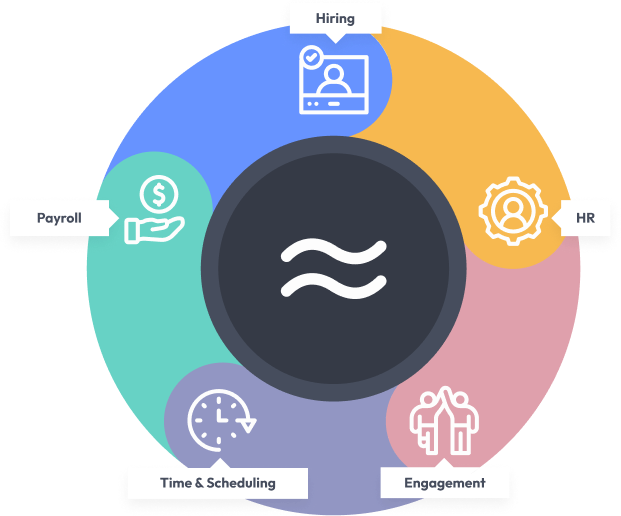

Hiring
Hire better quality workers, faster

HR
Streamline people processes and ensure employee records are always accurate

Engagement
Reduce turnover and increase worker engagement

Time & Scheduling
Manage schedules and hours worked to optimize your labor costs

Payroll
Pay your team quickly, easily, and accurately
resources
Become a hiring and onboarding expert.

Be smart with your hourly workforce
