



How to Hire Stockers: Expert Tips to Find and Retain Top Inventory Talent for Your Business
Discover essential steps to hire stockers efficiently for your restaurant or retail store, from crafting job descriptions to onboarding top talent for smoother operations.

How to Hire Stockers: A Practical Guide for Small Business Owners
Ever tried to run a store with empty shelves? It’s like hosting a barbecue with no burgers—pointless and a little embarrassing. If you’re looking to hire stockers who keep your inventory humming and your customers happy, you’re in the right place. Whether you’re a franchisee, a restaurant owner, or a retail manager, finding reliable inventory workers is a challenge worth tackling head-on. Let’s break down what really matters in stocker recruitment, from sourcing to onboarding, and sprinkle in a few tips you won’t find in your average HR manual.
Why Stockers Are the Unsung Heroes of Retail and Restaurants
Let’s be honest—stockers rarely get the spotlight, but without them, your operation grinds to a halt. They’re the folks who show up before sunrise or stay late to make sure every item is in its place. If you ask me, hiring the right stockroom employees is as important as hiring your best cashier or top chef.
Understanding the Role: More Than Just Moving Boxes
- Stockers manage inventory, check deliveries, and keep shelves organized.
- They’re often the first to spot shrinkage or supply chain hiccups.
- Good stockers help you avoid costly mistakes and keep your store running smoothly.
And let’s not forget—stockers are the backbone of restaurant operations too, especially during busy shifts when every second counts.
Stocker Recruitment: Where to Find Inventory Workers Who Stick Around
So, where do you start? Recruiting stockroom employees isn’t just about posting a job and hoping for the best. It’s about reaching the right people and making your opportunity stand out. Here’s the thing: turnover in these roles is notoriously high, but there are ways to beat the odds.
Crafting a Job Posting That Gets Noticed
- Highlight what makes your business unique—flexible hours, growth opportunities, or even just a friendly team.
- Be clear about job duties and expectations. For inspiration, check out these job posting examples.
- Don’t forget to mention benefits. According to DoorDash’s research, perks can make or break your recruitment efforts.
And if you’re wondering about the best channels, platforms like Indeed and even Instagram are goldmines for finding hourly talent these days.
Screening and Interviewing: Spotting the Right Fit
- Look for reliability and attention to detail—stockers need both in spades.
- Consider using pre-employment assessments to weed out the “no-shows.”
- Ask about their experience with inventory systems or physical work. If you want a few clever interview questions, here are some cultural fit interview questions that work wonders.
Honestly, don’t overlook the power of attitude over experience. Some of the best teams hire for attitude and train for skill—and it pays off.
Onboarding and Retaining Your Stockroom Stars
Hiring is just the first step. Keeping good stockers around? That’s where the real magic happens. High turnover can cost you thousands every year, not to mention the headache of constant retraining. So, how do you keep your new hires engaged and motivated?
Streamlining Onboarding for Faster Productivity
- Make onboarding mobile-friendly and quick—nobody wants to fill out a mountain of paperwork on day one. See how hiring automation can help.
- Use digital checklists and reminders to keep everyone on track. If you need ideas, these onboarding templates are a lifesaver.
- Get compliance right from the start. For the nitty-gritty, the Department of Labor has a solid checklist for wage and hour recordkeeping.
And if you’re worried about compliance, a platform like Workstream can help you avoid costly mistakes—saving up to $25K a year on lawsuits and fees. Not too shabby, right?
Retention: Keeping Your Inventory Workers Happy
- Offer flexible scheduling—research shows schedule instability increases turnover.
- Recognize hard work. Even a simple “thank you” or an employee-of-the-month shoutout can do wonders.
- Provide clear paths for advancement. According to Harvard Business Review, young hourly workers are more likely to stay if they see a future in your company.
And let’s not forget—benefits matter. The impact of benefits on retention is huge, especially for hourly workers who might be juggling multiple jobs or family obligations.
Tools and Tech That Make Stocker Recruitment Easier
Here’s where things get interesting. Managing applications, interviews, and schedules by hand is a recipe for burnout—yours and your team’s. That’s why more businesses are turning to all-in-one HR platforms like Workstream. With features like automated interview scheduling, mobile onboarding, and integrated payroll, you can cut your HR tool costs by half and focus on what really matters: running your business.
If you’re still using spreadsheets or paper schedules, it might be time to rethink your process. For a deeper look at scheduling, check out this 24-hour schedule template—it’s a game-changer for busy teams.
Common Pitfalls (And How to Dodge Them)
- Ignoring culture fit—bad hires can drag down morale and productivity.
- Skipping background checks or reference calls.
- Underestimating the cost of turnover. According to industry data, losing a front-line employee can cost nearly $6,000.
- Neglecting ongoing training. Even seasoned stockers need refreshers, especially when new inventory systems roll out.
And if you’re curious about how other brands handle these challenges, take a peek at Five Guys’ growth story—it’s a masterclass in scaling with the right team.
Conclusion: Hire Stockers Who’ll Help Your Business Thrive
At the end of the day, hiring stockers isn’t just about filling a slot on your schedule. It’s about building a team that keeps your shelves stocked, your customers satisfied, and your business growing. With the right recruitment strategies, smart onboarding, and a little help from technology, you can find and keep the inventory workers who’ll make your business shine.
Ready to make your next hire? Don’t be afraid to try new tools, experiment with your job ads, and—above all—treat your stockers like the essential team members they are. Because, honestly, without them, you’re just spinning your wheels.
Want to Learn More?
- Explore creative tips for job postings that attract top talent.
- Discover how calling out benefits in your job descriptions can boost your hiring results.
- Check out traits of committed employees to look for during interviews.
- See how turnover impacts your bottom line—and how to fix it.
- Learn more about Workstream’s approach to new hire onboarding and why it works for hourly teams.
.svg)


All your important HR tasks under one roof
Today’s business owners and HR teams are overwhelmed with administrative tasks: manual processes and exports, duplicative data entry, and siloed information. Workstream centralizes and simplifies people tasks so you can move fast, reduce labor costs, and simplify operations—all in one place.
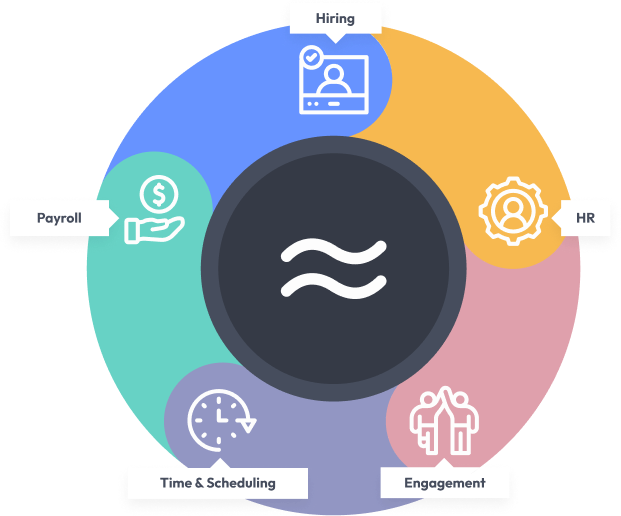

Hiring
Hire better quality workers, faster

HR
Streamline people processes and ensure employee records are always accurate

Engagement
Reduce turnover and increase worker engagement

Time & Scheduling
Manage schedules and hours worked to optimize your labor costs

Payroll
Pay your team quickly, easily, and accurately
resources
Become a hiring and onboarding expert.


Be smart with your hourly workforce
