



How to Hire Gunsmiths: Step-by-Step Guide to Find and Recruit Top Gunsmith Talent
Discover expert tips and proven strategies to hire gunsmiths efficiently for your business. Learn the step-by-step process to attract, evaluate, and onboard top gunsmith talent.

How to Hire Gunsmiths: A Practical Guide for Small Business Owners
If you run a sporting goods store, a gun shop, or a repair service, you know that finding the right person to fix, modify, or maintain firearms isn’t just about checking a few boxes. It’s about trust, skill, and, let’s be honest, a bit of luck. So, how do you hire gunsmiths who are reliable and talented? Let’s walk through it together—because, honestly, this is one hire you can’t afford to get wrong.
Understanding the Role: What Makes a Great Gunsmith?
Not Just Wrenches and Blueprints
When you’re looking to find gunsmiths, you’re not just seeking someone who can assemble a firearm or swap out a barrel. You want a problem solver—someone who knows their way around complex mechanisms, has a steady hand, and, ideally, a passion for the craft. The best gunsmiths are part technician, part artist, and part customer service rep. If you ask me, it’s a rare combination.
For those new to the business, it’s worth checking out this guide to employee handbooks—while it’s geared toward restaurants, the principles on clear expectations and compliance apply everywhere. And don’t forget, a strong operations manual can be your north star for onboarding and training, no matter the industry.
Certifications, Compliance, and Legal Know-How
Let’s talk paperwork. Gunsmiths often need federal licenses, and you’ll need to keep meticulous records. The Department of Labor has clear requirements for recordkeeping, and compliance is non-negotiable. Not only does this protect your business, but it also builds trust with your customers. If you’re not sure where to start, resources like Fisher Phillips can help you stay on the right side of employment law.
The Recruitment Process: Where to Find Gunsmiths and Firearm Technicians
Posting the Right Job Ad
Crafting an effective job posting is half the battle. Highlight the skills you need—metalworking, machining, customer service, and, of course, a clean background check. For inspiration, take a look at these job posting examples and creative tips to make your ad stand out.
Don’t overlook platforms like Workstream’s hiring automation to streamline your process. Their mobile-first approach means you can manage applications, schedule interviews, and even send automated reminders—all from your phone. It’s a game-changer for busy owners who wear too many hats.
Where to Source Candidates
- Trade schools and technical colleges often have job boards—don’t be shy about reaching out to instructors.
- Industry associations and local shooting clubs can be goldmines for referrals.
- Online job boards and specialized recruitment tools like Monster or Mitratech can expand your reach.
And if you’re feeling stuck, these creative recruitment ads might spark some ideas. Sometimes, a little humor or a clever hook makes all the difference.
Screening and Interviewing: Separating the Sharpshooters from the Rookies
What to Look For in a Gun Repair Specialist
Technical skills are non-negotiable, but don’t forget about soft skills. You want someone who communicates clearly, follows safety protocols, and can explain repairs to customers who might not know a firing pin from a firing squad. For more on evaluating candidates, check out these motivational interviewing techniques and cultural fit questions.
Background checks and reference calls are crucial. If you’re hiring a firearm technician, you need to know they’re trustworthy. And don’t forget, automated screening tools—like those built into Workstream’s hiring platform—can save you hours per week and help you avoid costly mis-hires. In fact, automating your screening process can reduce interview no-shows by over 50%, which is nothing to sneeze at.
Onboarding and Training: Setting Up for Success
Once you’ve made your pick, onboarding is where you set the tone. Use digital checklists and reminders to get your new hire up to speed fast. For a smoother process, consider these onboarding templates—they’ll help you cover everything from compliance paperwork to hands-on training.
And here’s a pro tip: a clear, well-structured operations manual isn’t just for restaurants. It can help your gunsmiths understand your shop’s unique processes, safety rules, and customer service expectations.
Retention and Engagement: Keeping Your Gunsmiths Happy (and on Your Team)
Compensation, Benefits, and Flexibility
Let’s face it—skilled gunsmiths are in demand. Competitive pay is a must, but don’t underestimate the power of benefits and flexibility. According to a DoorDash report, strong benefits packages can make a big difference in hiring and retention, even in industries outside restaurants.
Flexible scheduling and instant pay access—like the options discussed here—can help you stand out from the crowd. And if you’re wondering about part-time versus full-time roles, this guide to part-time hours breaks down the rules and benefits eligibility.
Reducing Turnover: Lessons from Other Industries
High turnover isn’t just a restaurant problem. The Michelin Guide and Harver both highlight how costly it is to lose skilled employees. The same goes for gunsmiths—losing one can set your business back months. Investing in engagement, clear career paths, and ongoing training is worth every penny. For more, see this breakdown of turnover costs and how it hits your bottom line.
Conclusion: Building Your Team with Confidence
Hiring a gunsmith isn’t just about filling a seat—it’s about finding someone who’ll help your business grow, keep your customers safe, and maybe even teach you a thing or two along the way. By focusing on clear job ads, thorough screening, and strong onboarding, you’ll set yourself up for success. And don’t forget, tools like Workstream’s all-in-one HR suite can make the whole process smoother, saving you time, money, and plenty of headaches.
If you’re ready to take your hiring process to the next level, check out these resources for more insights:
- Restaurant hiring: What you need to know
- 5 Traits of committed employees
- A Guide to HRIS Certification
- 24-hour schedule template
- 4 tips for calling out benefits in your job descriptions
Happy hiring—and may your next gunsmith be the best shot in town.
.svg)


All your important HR tasks under one roof
Today’s business owners and HR teams are overwhelmed with administrative tasks: manual processes and exports, duplicative data entry, and siloed information. Workstream centralizes and simplifies people tasks so you can move fast, reduce labor costs, and simplify operations—all in one place.
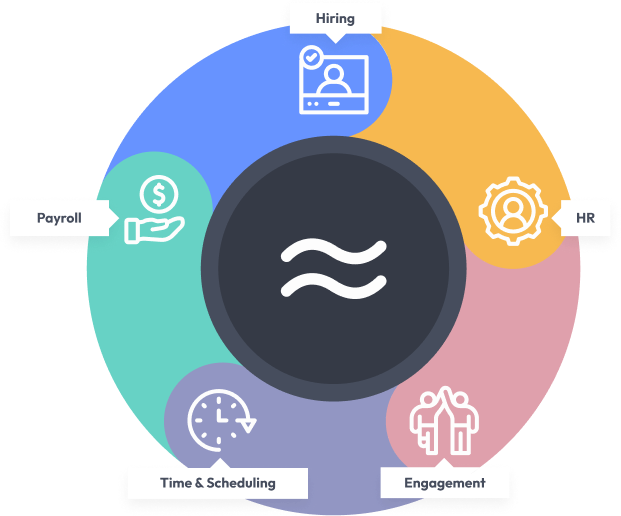

Hiring
Hire better quality workers, faster

HR
Streamline people processes and ensure employee records are always accurate

Engagement
Reduce turnover and increase worker engagement

Time & Scheduling
Manage schedules and hours worked to optimize your labor costs

Payroll
Pay your team quickly, easily, and accurately
resources
Become a hiring and onboarding expert.


Be smart with your hourly workforce
