



How to Hire Cable Installers: Streamline Recruiting and Onboarding for Your Business
Streamline how you hire cable installers with Workstream’s all-in-one platform—making it easy to find cable technicians, recruit cable installation staff, and manage your team efficiently.

How to Hire Cable Installers: A Modern Guide for Small Business Owners
If you’ve ever tried to hire cable installers—the kind who can crawl through attics, troubleshoot signal issues, and charm even the grumpiest customer—you know it’s not as simple as posting a job ad and hoping for the best. The demand for skilled cable installation technicians is high, and competition for talent is fierce, especially in the restaurant, franchise, and retail sectors where reliable connectivity is non-negotiable. So, how do you find cable technicians who’ll stick around, represent your brand well, and keep your customers happy? Let me explain.
Understanding the Role: What Makes a Great Cable Installer?
Before you start your search, it’s worth asking: what separates a decent cable installer from a truly great one? Sure, technical chops matter, but so does attitude. According to industry surveys, employees who feel valued and supported are more likely to deliver excellent service—and less likely to leave you in the lurch.
- Technical expertise: Can they handle fiber optics, coaxial cables, and modern networking hardware?
- Customer service: Are they patient with clients who don’t know a coax from a cat5?
- Problem-solving skills: Can they troubleshoot on the fly when things go sideways?
- Reliability: Will they show up on time—even for that 8 a.m. appointment on a rainy Monday?
If you ask me, the best cable installation technician is part electrician, part IT pro, and part therapist. Finding someone who checks all those boxes? That’s the challenge.
Where to Find Cable Technicians Who Fit Your Needs
Recruiting Cable Installation Staff: Go Beyond the Job Board
It’s tempting to just post an ad and wait, but if you want to recruit cable installer candidates who actually stick around, you’ll need to get creative. Many successful businesses leverage platforms built specifically for hourly hiring—like Workstream’s hiring automation—which can cut your time-to-hire in half and reduce turnover by as much as 50%.
- Explore free job posting sites to cast a wide net without breaking the bank.
- Use Instagram for hiring; it’s not just for food pics—many techs are active here.
- Leverage digital recruiting strategies to expand your reach and attract passive candidates.
- Understand what drives turnover so you can address issues before they become problems.
And don’t forget referrals! Sometimes your best future employee is a friend of your current star technician. Incentivize referrals with small bonuses or public shout-outs—it’s amazing how far a little recognition goes.
The Art of Screening: Spotting Red Flags and Hidden Gems
You’ve got resumes in hand. Now what? Screening is where many small business owners stumble. Automated tools like Workstream’s smart screening can help weed out unqualified applicants quickly—saving you hours (and headaches). For hands-on roles like cable installation, consider:
- Pre-employment skills assessments to test technical knowledge before the interview.
- Motivational interviewing techniques that dig deeper than “Tell me about yourself.”
- Cultural fit interview questions—because one bad apple really can spoil the bunch.
Honestly, it’s worth repeating: don’t skip reference checks. Even if you’re in a rush. A quick call can reveal more than any resume ever will.
The Hiring Process: Compliance, Onboarding, and Retention
Navigating Legal Requirements (Without Losing Your Mind)
This is where things get sticky. Hiring cable installers means juggling everything from background checks to wage compliance. The Department of Labor has strict rules about recordkeeping—see the official guidance on wage recordkeeping requirements. And if your new hire will be driving company vehicles or entering private homes, liability and insurance come into play.
- Stay updated on employment law changes that could affect your hiring process.
- Craft clear job descriptions that reflect both ADA guidelines and your business needs.
- Use onboarding templates to streamline paperwork and training.
Disclaimer: This article is for informational purposes only. Always consult a qualified legal professional for specific compliance questions in your state or city.
Onboarding: Setting Up Your New Cable Installer for Success
The first few days on the job can make or break a new hire’s long-term commitment. According to research on employee onboarding statistics, structured onboarding programs boost retention and productivity dramatically. With Workstream’s digital onboarding tools, you can reduce onboarding time from hours to minutes—no more chasing down paperwork or missing signatures.
- Understand why onboarding matters for hourly roles like cable installation technician.
- Learn how text-based onboarding works for deskless teams.
- Highlight benefits in your job descriptions to attract better applicants from the start.
- Celebrate milestones—even small ones—to foster loyalty early on.
The Secret Sauce: Retaining Your Best Cable Installers
Troubleshooting Turnover and Building Loyalty
If you’re constantly replacing staff, it’s time to look in the mirror. High turnover isn’t just a headache—it’s expensive. Studies show that turnover can cost up to 200% of an employee’s annual salary (here’s the math if you’re curious). The good news? You can tackle this head-on:
- Learn how turnover impacts your bottom line.
- Build a strong company culture that keeps installers engaged and motivated.
- Identify factors driving turnover, especially in fast-paced industries like hospitality and retail.
- Understand the hidden costs of high turnover.
- Spot signs of commitment early on.
- Give workers control over their schedules; flexibility is a top retention driver.
Sometimes it’s not about pay. Sometimes it’s about recognition, growth opportunities, or just feeling like part of a team. For cable installers—who often work solo—a sense of belonging can make all the difference. And if you’re still using spreadsheets for scheduling or paper checklists for training? It might be time for an upgrade—Workstream replaces seven tools with one streamlined platform, saving you both money and sanity.
Conclusion: Making Smart Hires in a Competitive Market
If you want to hire cable installers who’ll stick with you through thick and thin, it takes more than luck. It takes strategy, empathy, and the right tools. From crafting compelling job ads (with clear expectations) to leveraging technology for recruiting and onboarding, every step matters. And don’t underestimate the power of culture—happy installers mean happy customers, which means fewer headaches for you down the line.
If you’re ready to make hiring less of a hassle (and maybe even a little fun), consider exploring solutions like Workstream’s integrated HR platform. You’ll save time, reduce turnover, and maybe even enjoy the process. Now wouldn’t that be something?
Related Reading from Workstream:
.svg)


All your important HR tasks under one roof
Today’s business owners and HR teams are overwhelmed with administrative tasks: manual processes and exports, duplicative data entry, and siloed information. Workstream centralizes and simplifies people tasks so you can move fast, reduce labor costs, and simplify operations—all in one place.
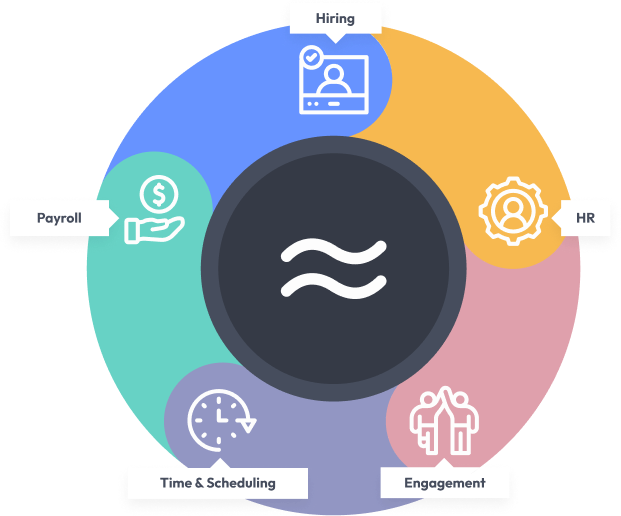

Hiring
Hire better quality workers, faster

HR
Streamline people processes and ensure employee records are always accurate

Engagement
Reduce turnover and increase worker engagement

Time & Scheduling
Manage schedules and hours worked to optimize your labor costs

Payroll
Pay your team quickly, easily, and accurately
resources
Become a hiring and onboarding expert.



Be smart with your hourly workforce
