



How to Hire Catering Assistants: Streamline Catering Staff Recruitment for Your Business
Streamline how you hire catering assistants with Workstream’s all-in-one platform—making catering staff recruitment, onboarding, and scheduling fast, easy, and compliant for your business.

How to Hire Catering Assistants: The Practical Guide for Small Business Owners
If you’ve ever tried to hire catering assistants—whether for a bustling restaurant, a family-run bakery, or a special event—you know it’s not as simple as putting up a “Help Wanted” sign. The right catering support staff can make your kitchen hum like a well-oiled machine, while the wrong hire can throw off your whole operation. Let me explain how you can navigate the twists and turns of catering staff recruitment with confidence, and maybe even a little less stress.
Why Hiring the Right Food Service Assistants Matters (More Than You Think)
Honestly, if you ask me, turnover in the restaurant industry is enough to keep any owner up at night. Losing even one solid kitchen assistant can mean missed orders, frazzled chefs, and unhappy customers. According to industry research, replacing a single front-line food worker costs nearly $6,000 on average. That’s not just pocket change for most small businesses.
But here’s the thing: Hire food service assistants who fit your culture and have the right skills, and you’ll see smoother shifts, better morale, and fewer headaches. If you’re still skeptical, check out these insights on the real cost of employee turnover.
What Makes a Great Catering Assistant?
- Reliability: Can you count on them to show up on time, every time?
- Attention to Detail: Are they the kind of person who notices when the napkins are crooked or the salad bar needs refilling?
- Team Spirit: Do they play well with others, or do they stir the pot (and not in a good way)?
- Adaptability: Kitchens get hectic—can they keep their cool?
For more on what makes an hourly worker shine, see this guide to committed employees.
Catering Staff Recruitment: Where (and How) to Find Top Talent
Let’s get real: finding great kitchen assistant staffing isn’t about luck—it’s about strategy. The days of relying solely on word-of-mouth or Craigslist are fading fast. Today’s savvy owners use everything from social media to specialized platforms.
Modern Sourcing Channels for Catering Support Staff
- Restaurant job boards and surveys—see what keeps staff happy and apply those lessons.
- Hourly hiring platforms like Workstream—designed for quick, mobile-first recruiting.
- Indeed and other job sites—but remember, your job post needs to stand out!
- Social media recruiting tips—yes, Instagram can actually help you find your next star dishwasher.
- Teamwork strategies—because the best teams often refer their friends.
If you’re still posting generic ads, take a peek at these job posting examples that attract quality candidates. And don’t forget to call out perks—benefits matter more than ever.
The Power of Automation in Catering Staff Recruitment
Here’s where things get interesting. Platforms like Workstream's hiring automation tools can cut your time-to-hire in half and reduce turnover by as much as 50%. That means less scrambling and more time focusing on what matters—like perfecting your signature dish or building customer loyalty.
If you want to see how one franchisee transformed their hiring process, check out this story on Dunkin’s improved applicant experience.
The Nitty-Gritty: Screening, Compliance & Onboarding for Kitchen Assistant Staffing
Let’s face it: compliance isn’t glamorous, but it’s essential. Every state has its own rules about food handling, overtime, and workplace safety. If you’re not careful, you could end up with fines—or worse. For a deep dive into required recordkeeping, visit the U.S. Department of Labor’s wage recordkeeping guide.
Screening Candidates Without Losing Your Mind
- Background Checks: Always verify work eligibility and references.
- Skills Assessments: Consider quick tests or trial shifts.
- Cultural Fit: Ask questions that reveal attitude and adaptability. Here are some great cultural fit interview questions.
- Food Safety Certifications: Make sure your hires have (or can quickly get) the right credentials. Learn why this matters in this guide to food handler certificates.
If you’re worried about onboarding taking forever, relax—a digital onboarding process can shrink hours down to minutes. See how with these onboarding templates for new hires.
A Quick Word on Legal Compliance (Don’t Skip This!)
This article is not legal advice. Always consult with a qualified professional for specific compliance questions.
If you want to avoid lawsuits or costly mistakes, keep up with the latest trends in employment law. And don’t forget that automating compliance tracking can save you thousands each year—Workstream users report savings of $25K annually on lawsuits and fees.
Retention: Keeping Your Catering Support Staff Happy (and Productive)
You’ve finally managed to hire catering assistants who actually show up and do great work—now how do you keep them? It’s not all about pay (though that helps). Recognition, growth opportunities, and flexible scheduling are huge drivers of retention. For example, companies that offer instant pay access through tech solutions have seen dramatic drops in no-shows—learn more about this trend in this article on instant pay access.
If you want to see what really motivates hourly workers, check out these insights on improving loyalty among hourly staff. And don’t underestimate the power of good old-fashioned teamwork—here are some proven ways to improve teamwork in your workplace.
Troubleshooting Common Pitfalls in Kitchen Assistant Staffing
- Poor Scheduling: Overstaffed one day, understaffed the next? Try using a 24-hour schedule template for efficiency.
- Lack of Recognition: Celebrate milestones—big or small. Here’s how to mark a 10-year work anniversary the right way.
- No Growth Path: Even kitchen assistants want to see a future. Offer training or cross-training opportunities; see these tips on effective training sessions.
- Poor Communication: Keep everyone in the loop; miscommunication is a recipe for disaster.
If you’re struggling with high turnover, you’re not alone. Here’s how some restaurants are tackling this challenge: reducing turnover in hospitality settings.
The Workstream Difference: Making Catering Staff Recruitment Actually Enjoyable?
I know what you’re thinking—can hiring really be enjoyable? Maybe not always, but with the right tools it can be a heck of a lot easier. Workstream’s platform automates repetitive tasks like scheduling interviews and onboarding paperwork, freeing you up to focus on building relationships with your team (and maybe even getting home before midnight).
If you want proof that technology can transform your hiring process, take a look at these stories from successful franchisees using digital solutions: see how Five Guys scaled up their hiring process, or why Taco Bell is considered so innovative in recruitment.
A Few Final Tips Before You Start Hiring Catering Assistants
- Write clear job descriptions: Spell out duties and expectations—don’t leave candidates guessing.
- Move fast: Good candidates get snapped up quickly; automate where possible.
- Invest in onboarding: A smooth start sets the tone for long-term success.
- Stay flexible: The best teams adapt together—especially during busy seasons.
If you’re ready to take the headache out of hiring catering assistants, consider exploring tools that streamline everything from job postings to payroll. For more inspiration and actionable advice, check out these resources:
- Restaurant hiring: What you need to know
- About Workstream’s approach to new hire onboarding
- Creative tips for job postings that stand out
- Salary vs hourly: Which employment type fits your needs?
- Contact Workstream for hiring automation support
The right catering assistants are out there—you just need the right strategy (and maybe a little help from technology) to find them. Happy hiring!
.svg)


All your important HR tasks under one roof
Today’s business owners and HR teams are overwhelmed with administrative tasks: manual processes and exports, duplicative data entry, and siloed information. Workstream centralizes and simplifies people tasks so you can move fast, reduce labor costs, and simplify operations—all in one place.
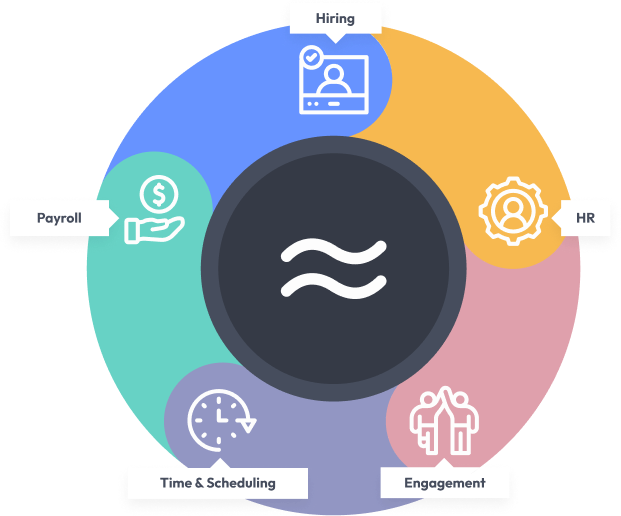

Hiring
Hire better quality workers, faster

HR
Streamline people processes and ensure employee records are always accurate

Engagement
Reduce turnover and increase worker engagement

Time & Scheduling
Manage schedules and hours worked to optimize your labor costs

Payroll
Pay your team quickly, easily, and accurately
resources
Become a hiring and onboarding expert.


Be smart with your hourly workforce
