



How to Hire Warehouse Supervisors: Steps to Attract, Interview, and Retain Top Talent
Learn how to hire warehouse supervisors with proven strategies, essential interview tips, and best practices to find the right talent for your warehouse team.

How to Hire Warehouse Supervisors: A Practical Guide for Small Businesses
Let’s be honest—finding and keeping the right people to hire warehouse supervisors can feel like trying to catch lightning in a bottle. Whether you’re running a bustling distribution center or a local supply hub, the role of warehouse supervisor is the linchpin that keeps your operation running smoothly. But what does it really take to recruit warehouse supervisors who stick around, motivate their teams, and help your business thrive? Well, grab a cup of coffee and let’s break it down together.
Why Warehouse Supervisors Matter More Than You Think
It’s tempting to think of a warehouse team leader as just another cog in the machine, but that couldn’t be further from the truth. These folks are the glue between your front-line workers and upper management. They juggle schedules, resolve conflicts, and make sure orders get out the door on time. If you ask me, a great supervisor is worth their weight in gold—especially when you consider how high employee turnover can drain your bottom line.
In fact, the cost of losing a front-line employee can be surprisingly steep. According to industry research, turnover costs in restaurants and warehouses can reach thousands of dollars per lost employee. And if you’re not careful, you could end up in a never-ending cycle of recruiting and training, which is exhausting for everyone involved.
What Makes a Great Warehouse Supervisor?
- Leadership chops: They need to inspire and direct teams, not just bark orders.
- Problem-solving skills: When the unexpected happens (and it always does), you need someone who doesn’t panic.
- Attention to detail: Inventory mistakes can cost you big time.
- Communication: Clear, direct, and respectful—no one likes a boss who mumbles or micromanages.
If you’re wondering what else to look for, check out these key traits of top-performing managers that apply just as much to warehouse supervisors as to restaurant GMs.
Recruit Warehouse Supervisors: Where to Start?
Here’s the thing: you can’t just put up a “Help Wanted” sign and expect the perfect candidate to walk in. The competition for experienced supervisors is fierce, and the best folks often aren’t even looking for a new gig. So, how do you recruit warehouse supervisors who’ll stick around?
Crafting the Right Job Posting
First impressions count, even in job ads. Your posting should be clear, honest, and highlight what sets your business apart. If you need inspiration, these job posting examples can help you attract quality candidates. And don’t forget to call out the benefits—flexible schedules, growth opportunities, or even just a great team culture can make all the difference. For more on this, check out tips for calling out benefits in your job descriptions.
Where to Find Candidates?
- Online job boards: Sites like Indeed and LinkedIn are obvious, but don’t overlook niche boards or local community groups.
- Employee referrals: Your current team often knows people who’d be a great fit. Consider offering a referral bonus.
- Social media: Believe it or not, platforms like Instagram can be surprisingly effective for hiring hourly and supervisory roles. See how with these Instagram hiring tips.
And if you’re pressed for time (who isn’t?), using a hiring automation platform like Workstream can cut your time-to-hire in half—seriously, half. That’s a lot less time spent sifting through resumes and more time getting back to business.
The Interview: Separating the Wheat from the Chaff
Alright, you’ve got a stack of applications. Now comes the tricky part—figuring out who’s the real deal. Interviews for warehouse shift supervisor roles should go beyond the usual “Tell me about yourself” routine. You want to see how candidates think on their feet, handle pressure, and motivate a team.
Interview Questions That Get to the Heart of It
- “Tell me about a time you had to resolve a conflict between team members.”
- “How do you handle last-minute changes in the schedule?”
- “What’s your approach to training new hires?”
- “How do you keep your team motivated during peak periods?”
For more inspiration, these motivational interviewing techniques and cultural fit interview questions can help you dig deeper.
And don’t underestimate the power of a structured onboarding process. Research shows that effective onboarding can boost retention and productivity—plus, it just makes new hires feel welcome. If you want to make onboarding a breeze, try these onboarding templates to get started.
Retention: Keeping Your Warehouse Managers and Supervisors Happy
Here’s a little secret: hiring is only half the battle. Once you’ve found a great warehouse shift supervisor, you want to keep them. High turnover is a killer for morale and your budget. According to Modern Restaurant Management, the real cost of turnover goes way beyond just recruiting expenses—it’s lost productivity, training costs, and even unhappy customers.
Why Do Warehouse Supervisors Leave?
- Lack of growth opportunities
- Poor work-life balance
- Unclear expectations or inconsistent scheduling
- Feeling undervalued or unappreciated
Sound familiar? It’s not just you. These are common pain points across the industry, as highlighted in this deep dive on turnover causes. The good news? There’s plenty you can do to turn things around.
Retention Strategies That Actually Work
- Offer meaningful benefits: Even small perks can make a big difference. This report from DoorDash shows how benefits help with recruitment and retention.
- Invest in training: Ongoing development keeps supervisors engaged and ready for the next challenge. See these training techniques for ideas.
- Recognition and feedback: A simple “thank you” or public shout-out goes a long way. For more, check out Robert Half’s advice on recognition.
- Leverage technology: Using a platform like Workstream not only streamlines scheduling and payroll, but also keeps your team connected and engaged—saving you time, money, and a few headaches along the way.
Compliance and Legal Details: Don’t Get Caught Off Guard
Before you bring anyone on board, make sure you’re following all the rules. The Department of Labor requires certain recordkeeping and reporting for hourly workers, and compliance missteps can cost you dearly. Not sure what you need? Here’s a guide to part-time hours and benefits eligibility that’s especially helpful if you’re juggling full-time and part-time staff.
And if you’re still using paper schedules or spreadsheets, you might want to rethink that. Modern employee scheduling tools can help you avoid costly overtime mistakes and keep everyone on the same page—no more last-minute scrambles or missed shifts.
Disclaimer: This article is for informational purposes only and does not constitute legal advice. Always consult with a qualified HR professional or attorney for specific compliance questions.
Conclusion: Building a Stronger Warehouse Team, One Supervisor at a Time
Hiring the right warehouse supervisors isn’t just about filling a seat—it’s about investing in your business’s future. With the right approach, you can hire warehouse managers who not only keep your operation humming but also help your team grow and thrive. Remember, a little extra effort up front pays off in fewer headaches (and fewer job postings) down the road.
If you’re ready to make hiring, onboarding, and managing your team a whole lot easier, take a look at how Workstream’s all-in-one HR and payroll platform can help. From automated hiring to seamless onboarding and compliance, it’s designed specifically for businesses like yours—so you can focus on what matters most: building a team you can count on.
More Resources from Workstream
- Explore restaurant hiring tips for hourly roles
- Learn about traits of committed employees
- Get insights into reducing turnover in your workforce
- Discover templates for onboarding new hires
- See how calling out benefits can boost your job ads
.svg)


All your important HR tasks under one roof
Today’s business owners and HR teams are overwhelmed with administrative tasks: manual processes and exports, duplicative data entry, and siloed information. Workstream centralizes and simplifies people tasks so you can move fast, reduce labor costs, and simplify operations—all in one place.
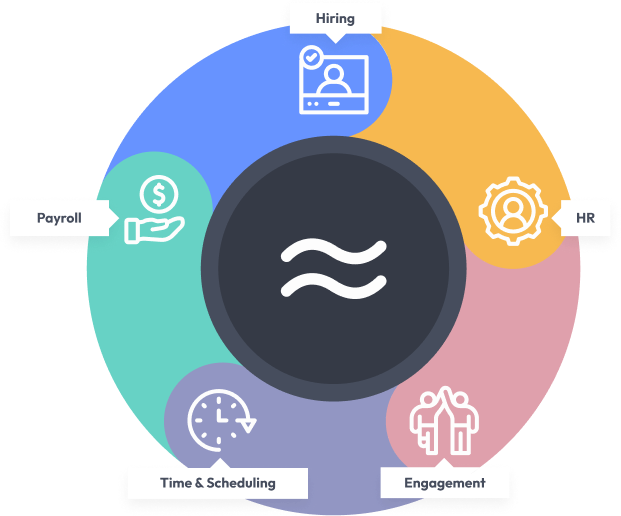

Hiring
Hire better quality workers, faster

HR
Streamline people processes and ensure employee records are always accurate

Engagement
Reduce turnover and increase worker engagement

Time & Scheduling
Manage schedules and hours worked to optimize your labor costs

Payroll
Pay your team quickly, easily, and accurately
resources
Become a hiring and onboarding expert.



Be smart with your hourly workforce
