



How to Hire Purchasing Officers: Step-by-Step Guide for Restaurants and Small Businesses
Find out how to hire purchasing officers efficiently with our step-by-step guide—covering sourcing, interviewing, and onboarding the best talent for your restaurant operations.

How to Hire Purchasing Officers: A Practical Guide for Small Business Owners
Ever tried to hire purchasing officers and felt like you were searching for a unicorn? You’re not alone. Whether you run a bustling franchise or a family-owned restaurant, finding the right procurement specialists can feel more complicated than figuring out your grandma’s secret chili recipe. Let’s break down what it takes to recruit purchasing officers who’ll keep your supply chain humming and your costs under control—without the headaches.
Why Hiring the Right Purchasing Officer Matters
You might wonder, does it really matter who’s in charge of buying napkins, fryer oil, or those fancy biodegradable takeout containers? Absolutely. A skilled purchasing officer does way more than just place orders—they’re the ones who keep your shelves stocked, your costs in check, and your kitchen running smoothly. If you ask me, they’re the unsung heroes of the back office.
High turnover in procurement can be a real budget-buster. According to industry research, losing a frontline employee can cost thousands—now imagine the cost of losing someone who controls your purchasing contracts. That’s why employee retention is just as important in procurement as it is on the front line.
What Makes a Great Purchasing Officer?
Key Skills and Qualities
- Negotiation chops: You want someone who can haggle with suppliers like a pro, not just accept the first price on the table. For more on what makes employees happy (and effective), check out this employee survey.
- Attention to detail: One zero off on a bulk order, and suddenly you’ve got enough ketchup to last a decade.
- Tech savvy: Modern procurement is digital. Candidates should be comfortable with HRIS systems and inventory management tools.
- Ethical judgment: You need someone who’ll do the right thing, even when no one’s watching. Trust is everything in procurement.
Experience and Background
Look for candidates with a background in supply chain management, purchasing, or operations. Certifications in procurement or supply chain (think CPIM or CSCP) are a plus, but don’t discount someone with hands-on experience in a fast-paced restaurant or retail setting.
How to Find Procurement Specialists: Sourcing and Recruiting Tips
Where to Look
- Industry job boards: Sites focused on supply chain and procurement roles can help you reach qualified candidates.
- Referrals: Sometimes your best new hire comes from a trusted vendor or even another franchisee. Don’t be shy about asking around.
- Social media recruiting: Platforms like LinkedIn or even Instagram can be surprisingly effective for reaching younger, tech-savvy talent.
For more inspiration, see these creative recruitment ads and job posting examples that attract quality hourly workers.
Crafting the Right Job Description
Your job post should be clear, specific, and honest about what the role involves. Highlight opportunities for growth, benefits, and the impact they’ll have on your business. For practical tips, check out how to write a great employee handbook and calling out benefits in your job descriptions.
Recruit Purchasing Officers: Screening, Interviewing, and Onboarding
Screening and Interviewing
- Use pre-employment assessments to gauge skills—see assessment tools for ideas.
- Ask behavioral interview questions that reveal how they’ve handled supplier disputes, budget crunches, or last-minute emergencies. For more, see these motivational interviewing techniques and cultural fit interview questions.
- Don’t skip the reference check. Procurement is a trust-based job—verify their track record.
Onboarding for Success
Once you’ve found your star, don’t just toss them the keys and hope for the best. A structured onboarding process can reduce ramp-up time and boost retention. For ideas, try these onboarding templates and learn how to get onboarding right.
Supply Chain Hiring: Compliance, Pitfalls, and Smart Tools
Compliance and Recordkeeping
Procurement officers need to know their way around contracts, vendor agreements, and compliance standards. Don’t forget the basics—accurate wage and hour recordkeeping is required by law (see DOL guidelines).
Common Pitfalls to Avoid
- Hiring for “fit” over skill. Sure, you want someone who vibes with your team, but don’t overlook technical know-how.
- Neglecting digital tools. Manual spreadsheets just don’t cut it anymore. Modern HR and payroll platforms like Workstream can help you streamline procurement staffing and keep all your data in one place.
- Ignoring the cost of turnover. According to industry research, turnover can cost thousands per employee. Investing in the right hire up front pays off in the long run.
Smart Tools for Smarter Hiring
Let’s be real—no one wants to juggle seven different HR tools if they don’t have to. Workstream’s hiring automation lets you manage everything from job postings to onboarding on your phone. That means less time on paperwork and more time building relationships with your team and vendors. Plus, it helps you stay compliant and reduce manual errors—saving you both money and headaches.
Conclusion: Building a Strong Procurement Team for the Long Haul
Hiring the right purchasing officer isn’t just about filling a seat—it’s about setting your business up for sustainable success. From sourcing and screening to onboarding and retention, every step matters. And if you ask me, leveraging the right technology—like Workstream’s platform—can make all the difference.
So, next time you need to hire purchasing officers, remember: a little extra effort up front can save you a world of trouble (and dollars) down the road. And hey, if you ever need more tips on restaurant hiring, writing job postings, or HR tech trends, you know where to find us.
Further Reading from Workstream
- Learn more about restaurant hiring and how to streamline your process.
- Explore creative job posting tips to attract better candidates.
- Stay on top of HRIS certification and tech trends in hiring.
- Find out how Workstream’s hiring automation can help your business grow.
- Discover more about Workstream’s all-in-one HR platform for hourly businesses.
.svg)


All your important HR tasks under one roof
Today’s business owners and HR teams are overwhelmed with administrative tasks: manual processes and exports, duplicative data entry, and siloed information. Workstream centralizes and simplifies people tasks so you can move fast, reduce labor costs, and simplify operations—all in one place.
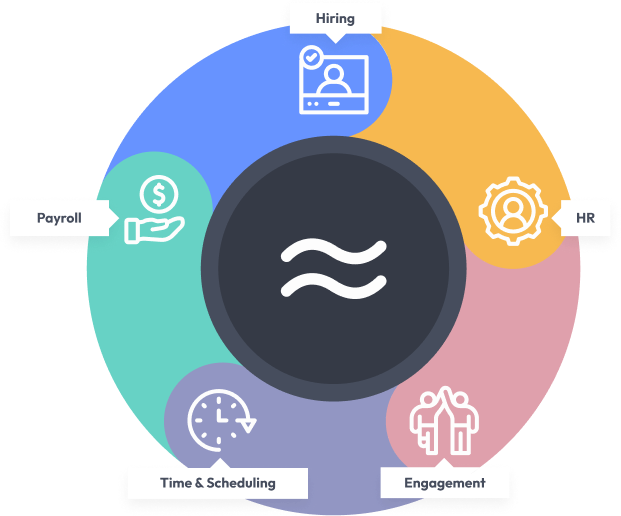

Hiring
Hire better quality workers, faster

HR
Streamline people processes and ensure employee records are always accurate

Engagement
Reduce turnover and increase worker engagement

Time & Scheduling
Manage schedules and hours worked to optimize your labor costs

Payroll
Pay your team quickly, easily, and accurately
resources
Become a hiring and onboarding expert.


Be smart with your hourly workforce
