



How to Hire Flooring Installers: Proven Steps to Find, Recruit, and Retain Top Talent
Discover expert tips and proven strategies to hire flooring installers efficiently, ensuring you find skilled professionals for your restaurant’s flooring projects.

How to Hire Flooring Installers: A Practical Guide for Small Business Owners
Let’s be honest—trying to hire flooring installers who are skilled, reliable, and a good fit for your team can feel a bit like searching for a needle in a haystack. Whether you’re running a local flooring shop, managing a renovation crew, or scaling up your franchise, the process can be equal parts art and science. But with the right approach (and a dash of patience), you can build a flooring team that sticks—literally and figuratively.
Understanding the Flooring Installer Talent Pool
Why Is It So Hard to Find Flooring Installers?
First, let’s address the elephant in the room: the shortage of skilled tradespeople. According to the American Staffing Association, demand for hourly workers in skilled trades continues to outpace supply. For flooring businesses, this means competition is fierce. If you’re just posting a job ad and hoping for the best, you might be waiting a while.
But here’s the thing—your next great installer might not be actively looking. Sometimes, the best technicians are already working elsewhere or waiting for the right opportunity to come along. That’s why it’s crucial to proactively find candidates and build relationships in your local community, whether that’s through trade schools, word of mouth, or even social media.
What Makes a Great Flooring Installer?
Sure, technical skills matter. But don’t underestimate the value of attitude and work ethic. As Harvard Business Review points out, hiring for attitude and training for skill can dramatically reduce turnover and improve team morale. When you’re recruiting flooring staff, look for:
- Attention to detail (because nobody wants crooked tiles)
- Physical stamina and safety awareness
- Customer service skills (installers are often the face of your business!)
- Willingness to learn and adapt to new materials or methods
Recruitment Strategies That Actually Work
Write Job Ads That Attract Quality Flooring Technicians
Let’s be real—most job ads for flooring installer recruitment are about as exciting as watching paint dry. If you want to stand out, focus on what makes your company different. Highlight benefits, growth opportunities, and your company culture. For inspiration, check out these best job posting examples and tips for making your job posting stand out.
And don’t forget to call out perks that matter. According to DoorDash’s study, offering benefits—even small ones—can make a huge difference in attracting and retaining hourly workers. If you’re not sure what to include, this guide on calling out benefits in your job descriptions is a solid place to start.
Source Candidates Where They Actually Are
Gone are the days when a “Help Wanted” sign in the window would do the trick. These days, you need to meet candidates where they spend their time—think Facebook groups, Instagram, and specialized job boards. If you’re not already using social media for recruitment, here’s how to use Instagram to hire hourly workers and why Indeed for employers is still a powerhouse for finding skilled tradespeople.
Don’t overlook referrals, either. As SHRM notes in their employee referral program toolkit, employees who come through referrals tend to stick around longer and perform better. Maybe it’s time for a pizza party for your crew—just saying.
Screening and Interviewing: Don’t Skip the Details
Once you’ve got applicants, it’s tempting to rush the process—especially if you’re short-staffed. But a little extra diligence up front can save you a world of headaches later. Use structured interviews and skills assessments to ensure candidates have the chops you need. For some inspiration, check out these motivational interviewing techniques and cultural fit interview questions tailored to hourly roles.
And if you’re juggling a mountain of resumes, consider automating the screening process. Platforms like Workstream can help you sort, schedule, and communicate with candidates quickly—saving you hours every week and cutting your time-to-hire in half.
Onboarding and Retaining Your Flooring Team
Fast, Compliant Onboarding
So you’ve made the hire—now what? Onboarding is your chance to set the tone. A smooth, digital onboarding process can reduce no-shows and get your new flooring technician up to speed in record time. For a deep dive on onboarding, these onboarding templates will help you cover all the bases, from paperwork to safety training.
Don’t forget about compliance, either. The U.S. Department of Labor has strict requirements for recordkeeping and wage documentation. Using an integrated HR and payroll platform like Workstream can help you stay organized and avoid costly mistakes—saving up to $25,000 a year on lawsuits and fees. That’s not pocket change!
Retention: Keeping Your Best Installers Happy
Here’s a fact that stings: turnover in the trades is expensive. According to industry data, losing a single front-line employee can cost you nearly $6,000. And in the flooring world, that number can climb even higher once you factor in lost productivity and customer satisfaction.
So, how do you keep your team around? Besides competitive pay (which you can benchmark using this hourly wage comparison), focus on engagement, flexibility, and recognition. The 7shifts survey shows that employees crave clear communication and opportunities for growth. Regular check-ins, upskilling, and even a simple “thank you” go a long way. If you’re looking for more engagement ideas, this guide on improving engagement for hourly workers is surprisingly relevant, no matter your industry.
Common Pitfalls and How to Avoid Them
Don’t Rush—But Don’t Wait Forever, Either
It’s a balancing act. Move too fast, and you risk hiring someone who isn’t a good fit. Wait too long, and you might lose your top candidate to a competitor. Automating your hiring process with tools like Workstream lets you move quickly without sacrificing quality—plus, you’ll reduce interview no-shows by over 50%.
Stay Compliant—Or Risk Costly Mistakes
Wage and hour lawsuits are no joke. Make sure you’re tracking hours, paying overtime correctly, and keeping up with all required documentation. If you’re unsure, check out this guide to hourly vs. salaried jobs and the Department of Labor’s recordkeeping requirements.
Don’t Forget About Culture
Honestly, culture is the glue that keeps your team together. A positive, supportive environment not only helps you retain your best flooring installers, but also attracts new talent. For more on building a winning team culture, see these qualities of a great general manager and tips for improving teamwork in the workplace.
Conclusion: Building a Flooring Team That Lasts
Hiring the right flooring installers is part strategy, part hustle, and—if you ask me—a little bit of luck. But with the right tools, a focus on culture, and a willingness to adapt, you can build a team that not only gets the job done but sticks with you for the long haul. And if you’re looking to save time, cut costs, and make your life easier, platforms like Workstream are designed specifically for businesses like yours—helping you automate hiring, onboarding, scheduling, and payroll, all in one place.
Ready to take the next step? Check out these resources for more tips and insights:
.svg)


All your important HR tasks under one roof
Today’s business owners and HR teams are overwhelmed with administrative tasks: manual processes and exports, duplicative data entry, and siloed information. Workstream centralizes and simplifies people tasks so you can move fast, reduce labor costs, and simplify operations—all in one place.
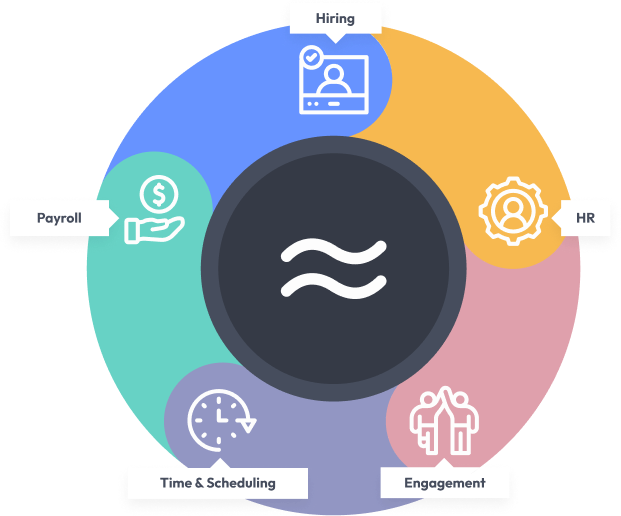

Hiring
Hire better quality workers, faster

HR
Streamline people processes and ensure employee records are always accurate

Engagement
Reduce turnover and increase worker engagement

Time & Scheduling
Manage schedules and hours worked to optimize your labor costs

Payroll
Pay your team quickly, easily, and accurately
resources
Become a hiring and onboarding expert.



Be smart with your hourly workforce
