



How to Hire Crew Members: Streamline Restaurant Team Staffing and Recruit Hourly Workers
Discover how to hire crew member more efficiently with Workstream’s all-in-one platform—streamlining restaurant team staffing, recruiting hourly workers, and finding franchise employees with ease.

How to Hire Crew Members: The Ultimate Guide for Restaurant and Franchise Owners
Let’s face it: figuring out how to hire crew members who’ll stick around, show up on time, and genuinely care about your business is a real challenge—especially if you’re running a restaurant, franchise, or any small business with hourly staff. The stakes are high. One bad hire can throw off your whole operation, while the right team can make your life a whole lot easier (and more profitable). So, how do you actually find and keep the right people? Let’s break it down.
Why Hiring Crew Members Is Harder Than It Looks
If you ask most restaurant owners or franchisees, they’ll tell you that turnover is their biggest headache. In fact, the restaurant industry sees some of the highest turnover rates in the country. According to American Staffing Association, staffing challenges are at an all-time high, and the cost of losing a single front-line employee can be nearly $6,000. Ouch.
But there’s more to it than just numbers. When you’re trying to hire restaurant staff, you’re not just filling slots—you’re building a team that needs to work together under pressure, handle customers with a smile, and keep your business compliant with ever-changing labor laws. And let’s not forget: today’s hourly workers want flexibility, fair pay, and opportunities for growth (Fortune). If you’re not offering that, your competitors probably are.
The True Cost of Getting It Wrong
- Turnover costs can eat up your profits fast.
- Poor hiring can lead to compliance headaches—think lawsuits or fines (Fisher Phillips).
- A weak team means lower morale and worse customer experiences (Academic Commons).
Step-by-Step: How to Hire Crew Members Who Stick Around
1. Write Job Descriptions That Actually Attract the Right People
Your job post is your first impression. Don’t just list duties—highlight what makes your place special and why someone would want to work there. For inspiration, check out these job posting examples and learn how to make your job posting stand out.
- Be clear about pay, hours, and benefits (SHRM Salary Insights).
- Mention growth opportunities—hourly workers want to know there’s a path forward (DoorDash Benefits Report).
- Highlight your culture—people want to fit in, not just clock in (Modern Restaurant Management Survey).
2. Use Technology to Recruit Hourly Workers Fast
The days of paper applications and “Help Wanted” signs are fading. Most successful operators now use digital tools to recruit hourly workers. Platforms like Workstream’s hiring automation suite let you screen candidates, schedule interviews, and keep everything organized—right from your phone.
- Expand your reach with digital recruiting strategies.
- Tap into social media—posting jobs on Instagram or Facebook is surprisingly effective (Instagram job posting tips).
- Automate interview scheduling to save hours each week (Hiring statistics you should know).
3. Screen for Attitude and Culture Fit—Not Just Skills
You can train someone to make a perfect latte or run the fryer, but you can’t teach them to care about your customers. That’s why it’s critical to ask the right questions during interviews. Try these cultural fit interview questions, or master motivational interviewing with this guide to motivational interviewing techniques.
- Hire for attitude, train for skill.
- Use scenario-based questions to see how candidates think on their feet (Ultimate STAR Method Guide).
- Look for signs of commitment and reliability (Traits of committed employees).
4. Streamline Onboarding for Restaurant Team Staffing Success
An onboarding process that drags on (or worse, doesn’t exist) can send new hires running for the door. The best teams use mobile-friendly onboarding tools that make paperwork painless and get people working fast. For ideas on how to do this right, check out these onboarding templates, or see what top brands are doing in this employee onboarding statistics report.
- Train new hires effectively with proven methods.
- Automate reminders so nobody misses a step (Axonify Communication Solutions).
- Pro tip: A strong onboarding process can reduce turnover by half—seriously.
The Franchise Factor: How to Find Franchise Employees Who Get It
If you’re running a franchise operation, consistency is everything. But when you need to find franchise employees, you also need folks who buy into your brand’s mission—even if they’re only working part-time. The trick? Use standardized processes but leave room for local flavor.
- See how Five Guys grew their franchise team across the country.
- Discover Dunkin’s approach to hiring at scale.
- Learn what it takes to build a winning Chick-fil-A crew.
- Don’t forget: Consistent training and clear expectations are key (Bizfluent on training restaurant staff).
A Quick Note on Compliance (Don’t Skip This!)
Disclaimer: Labor laws change often and vary by state—always consult an HR professional or legal advisor for specifics. But here’s what every owner should know:
- You must keep accurate records of hours worked and wages paid (U.S. Department of Labor Recordkeeping Guide).
- Certain roles require certifications—like food handling (food handler certificate info here).
- Offering benefits can be a game-changer for retention (Starbucks’ benefits strategy explained).
Troubleshooting: Common Pitfalls When You Hire Crew Members (and How to Dodge Them)
If you’ve been in business long enough, you’ve probably made a hiring mistake or two (or ten). Here’s how to sidestep the most common traps:
- Rushing the process: Desperation hires rarely work out. Instead, use tools that help you fill roles quickly without sacrificing quality (find hourly workers here).
- Poor communication: Keep candidates in the loop with automated texts and updates (Axonify on frontline communication).
- No follow-up training: Even great hires need ongoing support—don’t just throw them into the deep end (Forbes on onboarding trends).
- Lack of flexibility: Today’s workers crave flexible schedules; tech makes it easier than ever to accommodate them (how Gap empowers hourly staff with scheduling control).
- Ineffective job ads: If you’re not getting quality applicants, it might be time to refresh your approach (Craigslist job posting tips here).
The Workstream Advantage: Smarter Restaurant Team Staffing for Modern Operators
You’ve got enough on your plate without juggling spreadsheets, chasing down paperwork, or playing phone tag with candidates. That’s where integrated platforms like Workstream come in—they help automate repetitive tasks, keep your team connected, and even ensure compliance (saving you up to $25K a year in potential lawsuits and fees!). Plus, Workstream replaces seven different HR tools with one streamlined solution—cutting costs by up to 50%.
If you’re ready to stop overpaying and understaffing—and want more time back in your day—I’d say it’s worth checking out what Workstream can do for your business.
The Bottom Line: Building Your Dream Team Starts Here
If you remember nothing else:
- The way you hire crew members sets the tone for everything else in your business.
- The right mix of tech and human touch will help you recruit hourly workers who actually want to stick around.
- Your restaurant team staffing strategy should evolve as fast as the industry does—don’t be afraid to try new tools or approaches.
- Avoid common pitfalls by investing in communication, training, and flexible scheduling.
- If you want less stress (and more profit), consider streamlining with an all-in-one platform like Workstream.
If you’d like more practical tips on hiring restaurant staff or building a winning team culture, explore these related resources:
- Restaurant hiring: What you need to know
- A Guide to HRIS Certification
- Salary vs. hourly: Who to hire?
- What is WOTC and How Do We Utilize it?
- About Workstream: Our Story & Mission
Your next great crew member could be just one smart hire away. Why not make it easier on yourself?
.svg)


All your important HR tasks under one roof
Today’s business owners and HR teams are overwhelmed with administrative tasks: manual processes and exports, duplicative data entry, and siloed information. Workstream centralizes and simplifies people tasks so you can move fast, reduce labor costs, and simplify operations—all in one place.
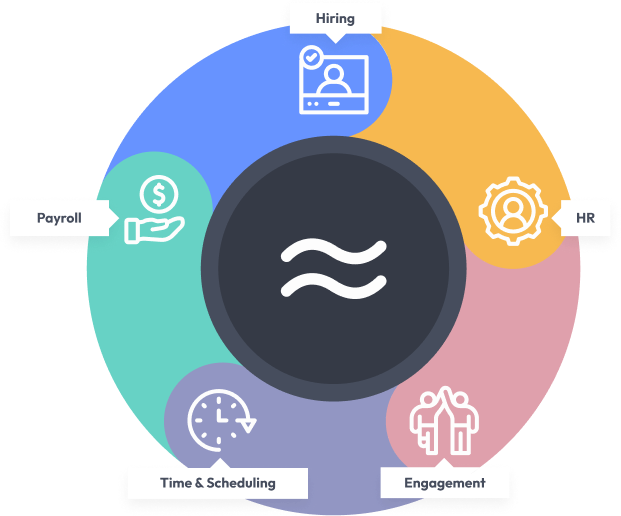

Hiring
Hire better quality workers, faster

HR
Streamline people processes and ensure employee records are always accurate

Engagement
Reduce turnover and increase worker engagement

Time & Scheduling
Manage schedules and hours worked to optimize your labor costs

Payroll
Pay your team quickly, easily, and accurately
resources
Become a hiring and onboarding expert.


Be smart with your hourly workforce
