



How to Hire Merchandise Associates: Step-by-Step Guide to Build a Winning Retail Team
Discover effective strategies to hire merchandise associates, streamline recruitment, and build a strong retail team that drives sales and customer satisfaction.

How to Hire Merchandise Associates: A Practical Guide for Retail Success
Let’s be honest—finding and keeping great merchandise associates can feel a bit like searching for a needle in a haystack, especially when your shelves are full and your team is running thin. But if you ask me, there’s a real art to it, and it’s more about smart processes than luck. Whether you’re a seasoned retailer or just getting your feet wet, understanding how to hire merchandise associates who will stick around and help your business thrive is crucial. So, let’s roll up our sleeves and get into the nuts and bolts of building a winning retail team.
Getting Started: What Makes a Great Merchandise Associate?
Before you even post that job ad, it’s worth thinking about what sets a standout merchandise associate apart. Sure, you want someone who can stock shelves and keep things organized, but there’s more to it. According to industry surveys, employees who feel valued and engaged are more likely to stay—and that starts with hiring the right people for the right roles.
- Attention to detail: They notice when products are misplaced or running low.
- Customer service skills: They’re the face of your store, after all.
- Teamwork: Retail is a team sport, not a solo act.
- Adaptability: Things change fast—especially during the holidays or big sales.
For more on what makes a great retail worker, check out these key traits of top-performing associates.
Recruitment Strategies: How to Find and Attract Merchandise Associates
Crafting the Perfect Job Description
Your job post is your first impression, so make it count. Highlight growth opportunities, flexible schedules, and any unique perks your store offers. According to DoorDash’s research on benefits, competitive perks can make a big difference in attracting top talent.
Need inspiration? Take a look at these job posting templates that have been proven to draw in quality candidates.
Where to Find Retail Workers
- Online job boards: Platforms like Indeed and Craigslist are still go-tos for hourly retail roles.
- Social media: Don’t underestimate the power of Instagram for reaching younger applicants.
- Employee referrals: According to SHRM’s toolkit, referral programs often bring in reliable hires.
- In-store signage: Sometimes, the best candidates are already shopping with you.
For a deeper dive into sourcing strategies, see Monster’s digital recruiting tips and this proactive candidate sourcing guide.
Screening and Interviewing
Once applications start rolling in, it’s tempting to rush. But slowing down to screen for cultural fit and reliability pays off in the long run. Use structured interview questions and consider pre-employment assessments to gauge skills and attitude. For tips on interviewing, check out these motivational interviewing techniques and cultural fit questions.
Onboarding and Training: Setting Up Your Merchandise Assistants for Success
Streamlining Onboarding
Onboarding doesn’t have to be a paperwork nightmare. With digital tools like Workstream’s onboarding platform, you can get new hires up to speed quickly and make a great first impression. For a smooth start, try these onboarding templates and learn how to get onboarding right.
Training That Sticks
Effective training is more than just a checklist. It’s about building confidence and competence. According to BLR’s training guide, hands-on learning and clear expectations are key. Don’t forget to update your employee handbook and provide ongoing feedback.
Retention: Keeping Your Retail Associates Engaged
Why Turnover Hurts—and How to Fix It
High turnover isn’t just a headache—it’s expensive. The cost of losing a retail worker can be thousands of dollars when you factor in lost productivity and training. Want to know what’s causing turnover in hospitality and retail? Check out this breakdown of root causes and the real cost of turnover.
So, what keeps people around? According to Harvard Business Review, engagement, recognition, and opportunities for growth are top drivers. If you’re curious about what makes employees happy, this survey offers some surprising insights.
Building a Positive Culture
Culture isn’t just a buzzword. It’s the glue that holds your team together. A strong culture leads to higher job satisfaction and lower turnover. For practical advice, see this New York Times piece on company culture and how to define your culture.
And if you’re looking for a technology solution to help keep your team connected and engaged, Workstream’s engagement tools are designed to make communication and recognition a breeze.
Compliance and Legal Considerations
Don’t forget the legal side of things. Every employer needs to keep accurate records for each employee. The Department of Labor’s recordkeeping guidelines are a must-read. And if you’re hiring minors or managing overtime, make sure you’re up to speed on local labor laws. For more, check out rules for part-time hours and benefits.
Disclaimer: This article provides general information only and does not constitute legal advice. Consult a qualified professional for guidance specific to your business.
Technology: Streamlining Hiring and Management
Let’s face it—manual hiring processes are a pain. That’s where platforms like Workstream come in. By automating job postings, interview scheduling, and onboarding, you can cut your time-to-hire in half and reduce costly turnover. Plus, integrated payroll and scheduling tools help you avoid costly errors and keep your team happy. Curious how this works in practice? Learn how Dunkin’ franchisees improved hiring and applicant experience with Workstream.
Conclusion: Building a Stronger Retail Team, One Hire at a Time
Hiring merchandise associates isn’t rocket science, but it does take intention and a little bit of heart. By focusing on clear job descriptions, smart sourcing, thorough screening, and supportive onboarding, you can build a team that not only shows up but shines. Remember, the right tools—like Workstream’s all-in-one platform—can make the process smoother and help you focus on what matters most: your people and your customers. Ready to take your hiring game up a notch? Maybe it’s time to see what a modern HR and payroll solution can do for your business.
Further Reading from Workstream
- Learn how to streamline your restaurant hiring process
- Explore traits of committed employees to look for in your next hire
- Get tips on highlighting benefits in your job descriptions
- Discover creative ways to make your job postings stand out
- Find out how celebrating milestones can boost morale and retention
.svg)


All your important HR tasks under one roof
Today’s business owners and HR teams are overwhelmed with administrative tasks: manual processes and exports, duplicative data entry, and siloed information. Workstream centralizes and simplifies people tasks so you can move fast, reduce labor costs, and simplify operations—all in one place.
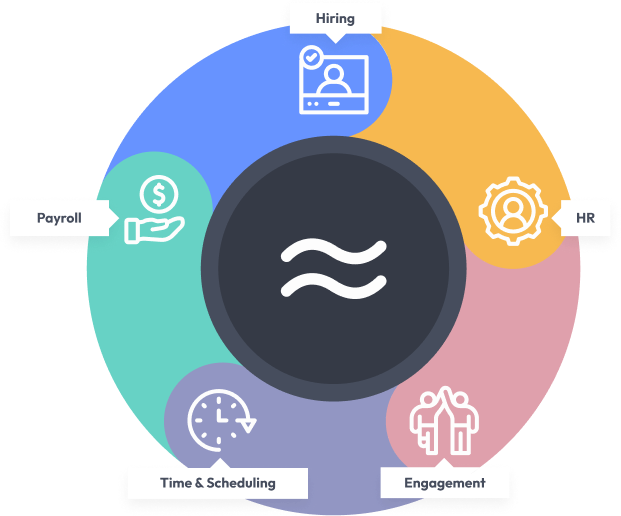

Hiring
Hire better quality workers, faster

HR
Streamline people processes and ensure employee records are always accurate

Engagement
Reduce turnover and increase worker engagement

Time & Scheduling
Manage schedules and hours worked to optimize your labor costs

Payroll
Pay your team quickly, easily, and accurately
resources
Become a hiring and onboarding expert.

Be smart with your hourly workforce
