



How to Hire Movers: Proven Tips to Recruit, Interview, and Retain Your Moving Team
Discover expert tips and essential steps to hire movers efficiently for your small business. Simplify your moving process and ensure a smooth transition with the right team.

How to Hire Movers: A Practical Guide for Small Business Owners
If you’ve ever tried to hire movers—whether for a growing moving company or a one-off project—you know it’s not as easy as tossing a job post online and hoping for the best. The right moving crew can make or break your business’ reputation, and honestly, the wrong team can leave you with more headaches than a Monday morning after a long weekend. So, let’s talk about how to find, recruit, and retain the best moving staff for your business, with a few detours into what really matters for today’s hourly workforce.
Building Your Dream Moving Team: Where to Start?
Understanding What Makes a Great Mover
First things first—what do you really need in a mover? Sure, strength and stamina are important, but so are reliability, communication, and a knack for customer service. According to industry research, high turnover in hourly roles is often linked to mismatched expectations and a lack of engagement. That’s true whether you’re running a restaurant or a moving company.
- Look for candidates who have a track record of punctuality and teamwork.
- Consider using pre-employment assessments to screen for physical ability and soft skills.
- Don’t overlook the value of a quick phone screen—sometimes a five-minute chat tells you more than a resume ever could.
Where to Find Moving Staff in 2024
Let’s be real—posting on Craigslist or Indeed is just the tip of the iceberg. Many successful moving companies are turning to specialized hiring platforms that cater to hourly workers, making it easier to connect with folks who are actually looking for these roles. And if you ask me, don’t sleep on social media—Instagram job postings and Facebook groups are where a lot of younger workers hang out these days.
- Use digital recruiting strategies to expand your reach.
- Tap into community networks and local job boards.
- Consider hourly worker marketplaces for on-demand staffing.
The Art (and Science) of Movers Recruitment
Writing a Job Description That Actually Works
Ever read a job ad and thought, “Who wrote this, a robot?” Your job description should be clear, honest, and a little bit human. Highlight the daily realities—yes, there’s heavy lifting, but also camaraderie, tips, and a sense of accomplishment at the end of a long day. For inspiration, check out these job posting examples that attract quality hourly workers.
And don’t forget to call out benefits—benefits are a game-changer for recruitment and retention, even in the moving industry.
Screening and Interviewing: Beyond the Basics
Let’s face it—interviews can be awkward for everyone. But with the right questions, you can spot red flags before they become real problems. Use motivational interviewing techniques and cultural fit questions to get a sense of how candidates handle stress, teamwork, and those inevitable “uh-oh” moments on the job.
And if you want to save time (who doesn’t?), platforms like Workstream can automate interview scheduling and reminders, cutting your time-to-hire in half and reducing no-shows by over 50%. That’s not just a sales pitch—it’s a sanity-saver.
Managing and Retaining Your Moving Crew
Onboarding: Set the Right Tone from Day One
Onboarding isn’t just paperwork. It’s your first real chance to show new hires what your company is all about. A smooth, digital onboarding process—like the one Workstream offers—can turn a stressful first day into a confident start. For more ideas, these onboarding templates can help you streamline the process and ensure compliance.
Scheduling, Communication, and Engagement
Nothing drives turnover like chaotic schedules and poor communication. According to hospitality industry research, predictable scheduling and clear communication are top drivers of employee satisfaction. Give your movers advance notice of their shifts, and use scheduling templates to keep things organized.
Regular check-ins and team huddles can make a world of difference. If you’re looking for more ways to keep your crew engaged, here are five tips that work for any hourly team.
Retention: Why Movers Leave (and How to Keep Them)
High turnover is expensive—sometimes costing up to $5,864 per lost employee. Common reasons movers leave include unpredictable hours, lack of advancement, and burnout. Combat these with:
- Clear paths for promotion and skill-building
- Recognition and small perks (free lunch, anyone?)
- Flexible scheduling and open communication
Want to go deeper? Check out these insights on the true cost of turnover and how to improve engagement for hourly workers.
Compliance and Legal Considerations: Don’t Skip This Part
Recordkeeping and Labor Laws
Let’s not sugarcoat it—compliance is a headache, but it’s non-negotiable. The Department of Labor requires you to keep accurate records of hours, wages, and employment eligibility. Digital HR platforms like Workstream can help you stay organized and avoid costly mistakes. For a deeper dive, see these payroll and compliance tips.
Disclaimer: This article does not constitute legal advice. Always consult a qualified professional for guidance on employment law in your area.
Common Pitfalls and How to Avoid Them
- Rushing the hiring process—take the time to screen for fit, not just availability.
- Neglecting onboarding—first impressions stick, and a rocky start can lead to early exits.
- Ignoring feedback—listen to your crew, and adjust your approach as needed.
- Not offering benefits—even small perks can set you apart from competitors.
And if you’re still relying on spreadsheets and sticky notes for scheduling, well, it’s time to join the 21st century. Automated tools can save you hours each week and help you avoid costly errors.
Conclusion: The Road to a Stronger Moving Crew
Hiring movers isn’t just about filling a truck—it’s about building a team you can trust, one that shows up, works hard, and keeps your customers coming back. By focusing on smart recruitment, clear communication, and a little bit of empathy, you’ll set your business up for long-term success. And when you’re ready to take things to the next level, platforms like Workstream are there to help you automate the busywork, so you can focus on what matters most—growing your business and supporting your crew.
Want More Resources?
- Discover how to streamline your hiring process for hourly roles.
- Get tips for highlighting benefits in job descriptions.
- Explore traits of committed employees and how to spot them.
- Learn more about Workstream’s all-in-one HR platform for hourly businesses.
- See how great job postings can help you attract the right movers.
.svg)


All your important HR tasks under one roof
Today’s business owners and HR teams are overwhelmed with administrative tasks: manual processes and exports, duplicative data entry, and siloed information. Workstream centralizes and simplifies people tasks so you can move fast, reduce labor costs, and simplify operations—all in one place.
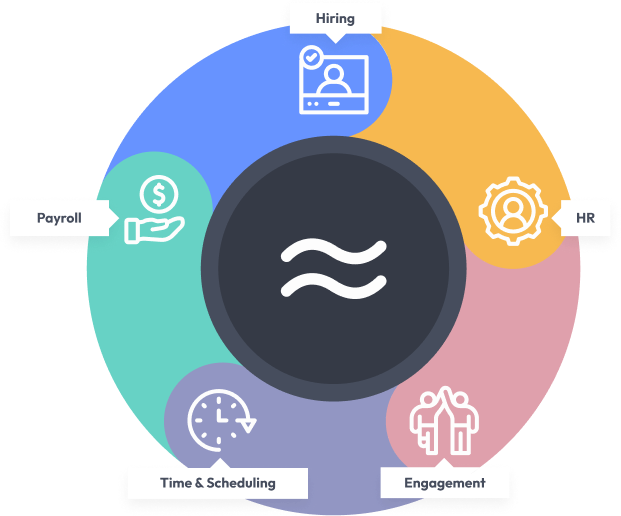

Hiring
Hire better quality workers, faster

HR
Streamline people processes and ensure employee records are always accurate

Engagement
Reduce turnover and increase worker engagement

Time & Scheduling
Manage schedules and hours worked to optimize your labor costs

Payroll
Pay your team quickly, easily, and accurately
resources
Become a hiring and onboarding expert.



Be smart with your hourly workforce
