



How to Hire Driving Instructors: Step-by-Step Guide for Driving Schools
Learn how to hire driving instructors with our step-by-step guide for driving schools—find, screen, and onboard qualified instructors to grow your team efficiently.

How to Hire Driving Instructors: A Practical Guide for Driving Schools
Let’s be honest—finding the right people to teach others how to drive isn’t as easy as it sounds. If you’re looking to hire driving instructors for your school, you already know the stakes are high. A great instructor shapes not only your business reputation but also the safety and confidence of new drivers. And, if you ask me, that’s a responsibility you can’t take lightly. So, how do you recruit driving teachers who are both skilled behind the wheel and patient in the classroom? Let’s roll through the essentials, the pitfalls, and a few real-world tips to help you build a winning team.
Why Hiring the Right Driving Instructors Matters
Before we get into the nuts and bolts, let’s pause for a second. Why is it so important to hire driving instructors who really fit your school’s needs? Well, for starters, turnover in the training and education space can be just as high as in hospitality or retail. According to industry research, high turnover doesn’t just hurt morale—it drains your budget and can even damage your brand’s reputation.
But here’s the kicker: the right instructors don’t just stick around, they help you attract more students and grow your business. Think of it like building a strong foundation for a house—get it right, and everything else falls into place.
What Makes a Great Driving Instructor?
- Patience and communication: Teaching nervous teens or adults requires a calm, clear approach. (Honestly, who wasn’t a little jittery their first time behind the wheel?)
- Technical know-how: Instructors should be up-to-date on the latest road rules, safety protocols, and vehicle technology.
- Reliability: Consistent attendance and punctuality are non-negotiable in this business.
- People skills: A friendly, supportive attitude goes a long way in building trust with students and parents alike.
For more on what makes an employee stick around, check out this guide to committed employees.
Where to Find and Recruit Driving Teachers
Let’s face it: posting a generic ad on Craigslist won’t cut it anymore. The best driving instructors are in high demand, and you’ll need to be creative to reach them. Here’s where to start:
1. Write a Standout Job Description
Your job ad is your first impression. Highlight not just the requirements, but also the perks and culture of your school. For inspiration, see these job posting examples and creative tips for job postings. Don’t forget to call out benefits and flexibility—these matter more than ever, as shown by industry research on recruitment and retention.
2. Use the Right Platforms
- Industry-specific job boards: Sites that focus on driving instructor jobs or education roles tend to attract more qualified candidates.
- Social media: Platforms like Facebook, Instagram, and LinkedIn are great for reaching local talent. Learn how to hire on Instagram or optimize your Indeed posts.
- Employee referrals: Happy instructors are your best recruiters. Consider offering referral bonuses to current staff, as recommended in this SHRM toolkit.
3. Screen and Interview Effectively
Don’t just look at resumes—dig into soft skills and real-world scenarios. Use motivational interviewing techniques and cultural fit questions to find the right match. And if you want to save time, consider automated screening tools like Workstream’s hiring automation, which can cut your time-to-hire in half and reduce interview no-shows by 55%.
Onboarding and Retaining Your Driving School Staff
So you’ve made the hire—now what? Onboarding is where a lot of businesses drop the ball. If you want your new driving instructors to stick around, you need a process that’s quick, clear, and welcoming.
Best Practices for Onboarding
- Use digital onboarding templates to streamline paperwork and training.
- Set clear expectations with a thorough employee handbook—even if it’s tailored for restaurants, many tips apply to driving schools too.
- Assign a mentor or buddy for the first few weeks. It’s a small gesture that makes a big difference.
And don’t forget compliance. Accurate recordkeeping is a must—see the Department of Labor’s guidelines for what you need to track.
Keeping Your Instructors Happy (and Employed)
Retention is the name of the game. High turnover can cost you thousands in training and lost business, as detailed in this breakdown of turnover costs. Here’s how to keep your team engaged:
- Offer competitive pay and benefits—see how other companies pay hourly workers.
- Foster a positive culture. Employees who feel valued are less likely to leave, according to research on job satisfaction.
- Give instructors a voice in scheduling. Flexible schedules are a top priority for today’s workforce—learn more in this article on work-life balance and see how technology can help.
For more on reducing turnover, check out this guide to turnover causes and how it impacts your bottom line. And if you want to see how a fast-food chain keeps turnover rates low, this Harvard Business Review article is a must-read.
Common Pitfalls and How to Avoid Them
Even the best managers make mistakes. Here are a few traps to watch out for—and how to steer clear:
- Rushing the hiring process: Slow down and make sure candidates really fit your culture and values. Quick hires often lead to quick departures.
- Neglecting ongoing training: Driving laws and technology change fast. Keep your staff up to date with regular training—see these tips for effective training.
- Ignoring feedback: Ask your instructors what’s working and what isn’t. Sometimes the best ideas come from the folks on the front lines.
And if you’re struggling with high turnover, here’s how to fix it—the advice applies to driving schools too.
Conclusion: Building a Strong Driving Instructor Team
At the end of the day, hiring and keeping great driving instructors is about more than just filling seats. It’s about building a team you can trust—one that helps your students succeed and your business thrive. From crafting the perfect job post to using smart onboarding templates and digital scheduling tools, every step matters.
Platforms like Workstream can help you streamline the process, cut costs, and keep your staff engaged, so you can focus on what really matters: teaching the next generation of safe, confident drivers. If you’re ready to take your hiring to the next level, reach out to Workstream for a tailored solution that fits your school’s needs.
Further Reading from Workstream
- Learn how to streamline your hiring process for hourly roles
- Explore onboarding templates for a smooth start
- Get tips on making your job postings stand out
- See how schedule control boosts retention
- Read about factors that drive turnover rates and how to address them
.svg)


All your important HR tasks under one roof
Today’s business owners and HR teams are overwhelmed with administrative tasks: manual processes and exports, duplicative data entry, and siloed information. Workstream centralizes and simplifies people tasks so you can move fast, reduce labor costs, and simplify operations—all in one place.
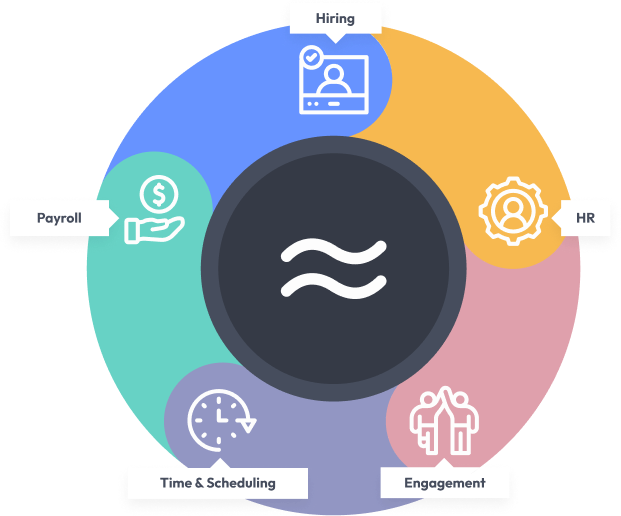

Hiring
Hire better quality workers, faster

HR
Streamline people processes and ensure employee records are always accurate

Engagement
Reduce turnover and increase worker engagement

Time & Scheduling
Manage schedules and hours worked to optimize your labor costs

Payroll
Pay your team quickly, easily, and accurately
resources
Become a hiring and onboarding expert.



Be smart with your hourly workforce
