



How to Hire Health Care Customer Service Representatives: Step-by-Step Guide for Employers
Discover essential steps, tips, and best practices to hire health care customer service representatives who deliver excellent patient support and improve your organization's service quality.

How to Hire Health Care Customer Service Representatives: A Practical Guide for Busy Operators
If you ask me, hiring the right health care customer service representatives is a bit like picking the perfect apple at the market—looks matter, but what’s inside counts even more. For clinics, hospitals, and any business with patients on the line, these folks are the voice and heart of your operation. Let’s break down what it really takes to hire health care customer service representatives who will make your patients feel heard, respected, and cared for—without giving you a headache in the process.
Why Healthcare Customer Service Matters (And Why It’s So Darn Hard to Get Right)
Healthcare isn’t retail, and it’s not fast food. The stakes are higher. One bad interaction can send a patient packing—or worse, land your business in hot water. Turnover in service roles is notoriously high, and the cost of replacing staff can be a real budget-buster. But here’s the kicker: when you hire customer service reps who truly fit your culture and understand healthcare’s unique pressures, you set your whole team up for success.
So, what’s the secret sauce? It’s about more than just a friendly voice. You need empathy, quick thinking, and a knack for handling sensitive information. And honestly, finding all that in one person isn’t always a walk in the park.
What Sets Healthcare Customer Service Apart?
- Regulatory know-how: HIPAA compliance isn’t optional. Your reps need to know the rules.
- Emotional intelligence: Patients are often anxious or unwell. Reps must stay calm, compassionate, and professional.
- Multi-channel skills: From phone to email to chat, today’s patients expect support everywhere.
For more on what makes a great service rep, check out these traits of committed employees and qualities of top managers—because good service starts at the top.
Step-by-Step: How to Hire Health Care Customer Service Representatives
1. Write a Clear, Compelling Job Description
Honestly, this is where a lot of folks drop the ball. Vague postings attract vague candidates. Spell out exactly what you need—empathy, attention to detail, experience with medical software, and so on. For inspiration, take a look at these job posting examples and tips on highlighting benefits in your listings. And don’t forget legal requirements—recordkeeping rules matter in healthcare.
2. Source Candidates Where They Actually Are
It’s not just about posting on Indeed anymore. Consider industry-specific boards, local colleges, and even social media. If you’re short on time, platforms like Workstream can help you automate and streamline the process, especially for hourly roles.
3. Screen for Soft Skills and Compliance
Not every great talker is a great listener. Use behavioral interview questions to spot empathy and patience. And don’t be shy about checking for compliance knowledge. For more on this, see motivational interviewing techniques and cultural fit questions.
And here’s a little secret: AI-powered screening tools (like those in Workstream’s platform) can save hours each week—no more endless resume piles.
4. Onboard Quickly, Train Thoroughly
First impressions matter. A smooth, digital onboarding process makes new hires feel welcome and ready to hit the ground running. For healthcare, that means covering everything from privacy policies to software systems. Check out these onboarding templates and advice on getting onboarding right.
And don’t forget ongoing training. The best teams keep learning—about new regulations, patient care, and even stress management. If you’re curious about training methods, here’s a guide to effective training sessions.
Common Pitfalls and How to Avoid Them
Don’t Hire in a Rush (Even When You’re Desperate)
We’ve all been there—someone quits, the phones are ringing off the hook, and you just need a warm body. But rushed hires lead to high turnover, which costs more in the long run. According to Harvard Business Review, hiring for attitude and training for skill can cut turnover dramatically. Workstream users, for example, have seen turnover drop by half.
Neglecting Benefits and Work-Life Balance
Even customer service reps want to feel valued. Offering perks—like flexible schedules or instant pay access—can make a huge difference. See how benefits impact retention in this DoorDash report and learn about instant pay options.
Ignoring the Cost of Turnover
Replacing a single customer service rep can cost thousands in lost productivity, training, and recruitment. Don’t believe me? These turnover cost stats and turnover rate breakdowns will open your eyes. Solutions like Workstream help reduce these costs by automating repetitive tasks and improving engagement.
Retaining Your Healthcare Customer Service All-Stars
Hiring is just the beginning. Keeping your best reps means investing in their growth and well-being. Regular feedback, opportunities for advancement, and a little appreciation go a long way. For more on engagement, check out this guide to retaining hourly workers and work anniversary celebration ideas.
- Offer flexible schedules—see how Gap improved scheduling for hourly staff.
- Recognize achievements—little things matter, especially in high-stress roles.
- Provide clear career paths—people stay when they see a future.
Conclusion: Build a Stronger Team with the Right Tools
At the end of the day, to hire health care customer service representatives who stick around and make a difference, you need a process that’s fast, fair, and focused on people. Tools like Workstream can help you cut time-to-hire in half, reduce turnover, and save thousands each year—letting you focus on what matters most: your patients and your people.
If you’re ready to make your next hire your best yet, don’t be afraid to lean on technology, learn from industry leaders, and keep the human touch at the heart of your business. Because when your customer service reps feel supported, everyone wins—patients, staff, and your bottom line.
Want to Go Deeper?
- Explore streamlined hiring strategies for service businesses
- See how Dunkin’ franchisees improved hiring with automation
- Learn about HRIS certification and tech trends in HR
- Discover free job posting sites to broaden your reach
- Read more on how Workstream supports hourly businesses
.svg)


All your important HR tasks under one roof
Today’s business owners and HR teams are overwhelmed with administrative tasks: manual processes and exports, duplicative data entry, and siloed information. Workstream centralizes and simplifies people tasks so you can move fast, reduce labor costs, and simplify operations—all in one place.
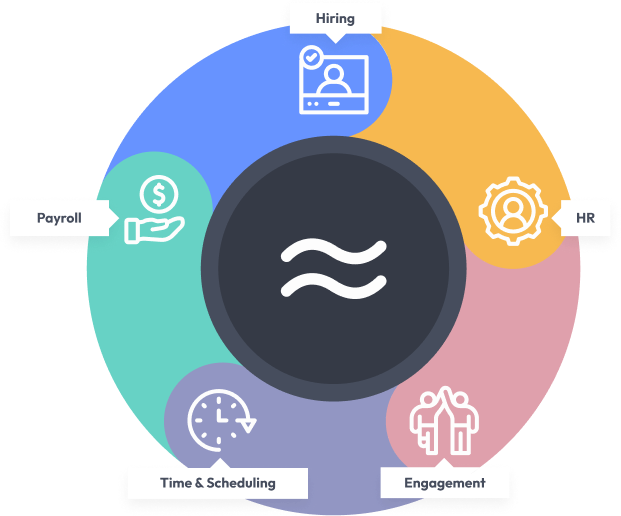

Hiring
Hire better quality workers, faster

HR
Streamline people processes and ensure employee records are always accurate

Engagement
Reduce turnover and increase worker engagement

Time & Scheduling
Manage schedules and hours worked to optimize your labor costs

Payroll
Pay your team quickly, easily, and accurately
resources
Become a hiring and onboarding expert.



Be smart with your hourly workforce
