



How to Hire Pipe Welders: Proven Steps to Attract, Assess, and Retain Top Welding Talent
Learn how to hire pipe welders with our step-by-step guide—find, evaluate, and onboard skilled professionals to strengthen your team and streamline your restaurant operations.

How to Hire Pipe Welders: A Practical Guide for Small Business Owners
If you run a shop, construction company, or industrial facility, you know that finding the right person to hire pipe welders can feel a bit like searching for a needle in a haystack. With the skilled trades gap widening and competition for talent heating up, getting the right folks on your team is more important than ever. So, how do you attract, assess, and keep the best welders? Let’s break it down—no jargon overload, just real talk and actionable steps.
Why Hiring Skilled Pipe Welders Matters
First things first: why is it so tough—and so crucial—to hire skilled welders these days? According to the American Staffing Association, skilled trades remain one of the hardest positions to fill across the U.S. economy. The cost of turnover in skilled roles like welding can be sky-high, both in lost productivity and in training new hires. And let’s face it—if you’re running a small business, every hour and dollar counts.
Welders are the backbone of countless industries, from energy to food processing to construction. A good welder keeps your projects on schedule and your customers happy. A bad hire? Well, let’s just say you’ll be spending more time fixing mistakes than building anything new.
The Skills That Set Pipe Welders Apart
- Expertise in various welding techniques (TIG, MIG, stick, and more)
- Understanding of safety protocols and compliance standards (Department of Labor wage and hour rules)
- Ability to read blueprints and technical drawings
- Physical stamina and attention to detail
Honestly, hiring welders isn’t just about finding someone who can join two pipes. It’s about finding someone who can do it safely, efficiently, and with pride in their craft.
Where to Find and Recruit Top Pipe Welding Talent
So, where do you start your welding job recruitment journey? Old-school word of mouth still works, but digital tools have changed the game. Sites like Indeed, Craigslist, and even social media platforms are full of candidates—if you know how to reach them.
Digital Recruitment Strategies
- Post clear, detailed job ads (see job posting examples for hourly workers)
- Highlight benefits and growth opportunities (Impact of benefits on recruitment)
- Use mobile-friendly applications (Hire a Welder with Workstream)
- Leverage pre-employment assessments (eSkill’s pre-employment assessment platform)
If you ask me, the days of paper applications are numbered. Most skilled tradespeople today expect a fast, digital-first process. That’s where platforms like Workstream’s hiring automation come in handy—they let you screen, schedule, and communicate with candidates via text, saving hours each week and cutting your time-to-hire in half.
Partnering with Staffing Services
Sometimes, you just need a little extra help. Staffing agencies can help fill gaps quickly, especially for short-term or specialized projects. But be sure to vet your partners—ask about their screening process, safety record, and placement guarantees.
Screening and Interviewing Pipe Welders: What to Look For
Once you’ve got a stack of applications (or, more likely, a digital dashboard full of them), it’s time to separate the pros from the pretenders. Here’s what to focus on:
Key Interview Questions and Assessments
- Ask about specific welding certifications and experience with pipe materials
- Test for technical skills—consider a hands-on welding test if possible (STAR method guide for interviews)
- Evaluate soft skills like communication and teamwork (qualities of a great GM)
- Check references thoroughly—don’t skip this step!
And don’t forget compliance. Keep accurate records of hours, pay, and certifications as required by the Department of Labor. Automated platforms can help you stay on top of this without drowning in paperwork.
Common Pitfalls in Pipe Welder Staffing
- Rushing the process and skipping background checks
- Ignoring cultural fit—yes, it matters even in the trades (Organizational culture and turnover)
- Failing to offer competitive pay or benefits (Cost of employee turnover)
Let me be blunt: Cutting corners in hiring almost always backfires. Take the time to get it right, and you’ll save yourself a world of headaches down the road.
Retaining Your Best Pipe Welders: Beyond the Paycheck
Hiring is just the first step. Keeping your welders happy and engaged is where the real magic happens. High turnover isn’t just annoying—it’s expensive (real cost of turnover), disruptive, and bad for morale. So, what keeps welders sticking around?
Boosting Retention with Smart Practices
- Offer clear career paths and training (Effective training techniques)
- Provide flexible scheduling where possible (Impact of work-life balance)
- Recognize and reward great work (Employee recognition software)
- Foster a positive, safety-first culture (Solutions for high turnover)
It’s not all about the money—though competitive pay is a must. Benefits, flexibility, and a sense of belonging go a long way. According to DoorDash’s report on benefits, offering even modest perks can dramatically improve pipe welder staffing and retention rates.
Using Technology to Streamline Pipe Welding Services
Paper timesheets and manual scheduling are relics of the past. Platforms like Workstream can help you track hours, manage schedules, and handle payroll seamlessly. This not only saves you money (up to $10K per year per location, if you believe the data), but also keeps your team happy and focused on the job—not on chasing down paperwork.
Conclusion: Building a Strong Welding Team for the Long Haul
To hire pipe welders who stick around and do great work, you need a mix of smart recruitment, thorough screening, and ongoing engagement. Don’t be afraid to try new tools or rethink your approach—sometimes, a small tweak (like texting candidates instead of calling) can make a big difference. And if you’re feeling overwhelmed, remember: you’re not alone. Thousands of business owners are in the same boat, and resources like Workstream’s resource center can help you stay ahead of the curve.
Ready to take the next step? Check out these helpful guides and tools for more:
- 5 Traits of Committed Employees
- 10 Must-Know Hiring Statistics
- Tips for Highlighting Benefits in Job Descriptions
- Creative Job Posting Tips
- Hire a Welder with Workstream
Good luck, and here’s to building a welding team that’s as strong as the pipes they join!
.svg)


All your important HR tasks under one roof
Today’s business owners and HR teams are overwhelmed with administrative tasks: manual processes and exports, duplicative data entry, and siloed information. Workstream centralizes and simplifies people tasks so you can move fast, reduce labor costs, and simplify operations—all in one place.
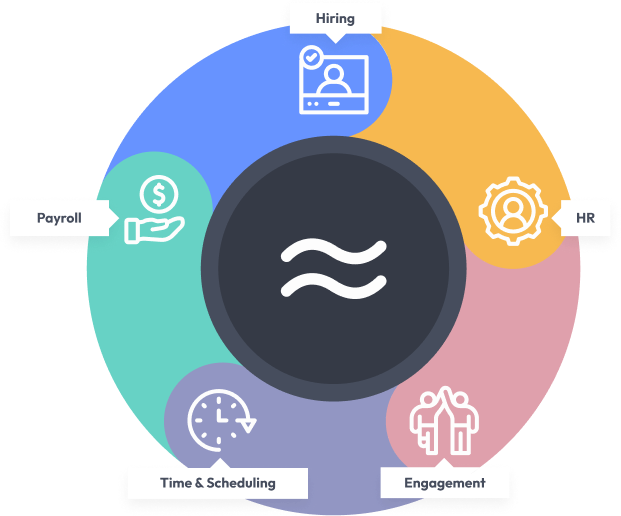

Hiring
Hire better quality workers, faster

HR
Streamline people processes and ensure employee records are always accurate

Engagement
Reduce turnover and increase worker engagement

Time & Scheduling
Manage schedules and hours worked to optimize your labor costs

Payroll
Pay your team quickly, easily, and accurately
resources
Become a hiring and onboarding expert.

Be smart with your hourly workforce
