



How to Hire Shipping Managers: Proven Strategies for Recruiting and Retaining Top Talent
Discover the best ways to hire shipping managers for your restaurant. Learn effective strategies, interview tips, and key skills to look for when building a strong logistics team.

How to Hire Shipping Managers: Your Guide to Building a Strong Supply Chain Team
If you’ve ever tried to hire shipping managers for your business, you know it’s not as simple as posting a job ad and hoping for the best. The right shipping manager keeps your supply chain running like a well-oiled machine—without them, you’re looking at late deliveries, unhappy customers, and a whole lot of stress. So, what’s the secret sauce to finding and keeping the best talent? Honestly, it’s a mix of smart strategies, modern tools, and a little bit of patience. Let’s break it down.
Why Shipping Managers Matter—And Why They're Hard to Find
Shipping managers are the backbone of any operation that moves goods, whether you’re running a bustling restaurant group or a regional distribution center. They juggle logistics, manage teams, and keep costs down—all while making sure customers get what they ordered, when they expect it. If you ask me, it’s a role that demands both grit and finesse.
But here’s the thing: the demand for skilled shipping supervisors and managers is higher than ever. According to the American Staffing Association, the staffing and recruiting industry is booming, but qualified supply chain pros are in short supply. Add in the fact that turnover in logistics and hospitality can be sky-high—just look at the numbers in this Michelin Guide article—and you’ve got a real challenge on your hands.
What Makes a Great Shipping Manager?
- Strong organizational skills and attention to detail
- Experience with logistics software and scheduling tools
- Leadership chops—can they motivate a team under pressure?
- Problem-solving ability (because things will go sideways!)
- Clear communication, both up and down the chain
For more on what makes a manager stand out, check out this list of top manager qualities.
Recruiting Shipping Managers: Where to Start
Let’s be real: recruiting for shipping management isn’t just about posting on job boards. You need a plan. Start with a clear, compelling job description—one that spells out not just the responsibilities, but also the perks and opportunities for growth. If you need help, these employee handbook tips can help you clarify your expectations and company culture.
Modern Tools for Modern Recruitment
Gone are the days when you could rely on paper applications and phone calls. Today’s best candidates expect digital, mobile-friendly workflows. Platforms like Workstream make it easy to automate screening, schedule interviews, and communicate with candidates via text—saving you hours each week and cutting your time-to-hire in half. Plus, with integrated compliance and payroll features, you can rest easy knowing you’re following all the rules (and avoiding those nasty $25K lawsuits nobody wants to talk about).
Want more tips? Monster’s digital recruiting strategies offer a great overview, and this guide to finding candidates is packed with actionable advice.
Don’t Forget the Interview
When you finally get promising candidates in the door, make your interviews count. Ask questions that dig into their real-world experience—how did they handle a shipping delay, or what would they do if a supplier dropped the ball? For inspiration, check out these motivational interviewing techniques and cultural fit questions to get a sense of whether they’ll mesh with your team.
Retention: Keeping Your Shipping Managers Happy
Okay, so you’ve managed to recruit shipping managers who are a great fit. Now, how do you keep them? High turnover is a killer for morale and your bottom line. According to Notch Financial, losing a front-line employee can cost nearly $6,000—imagine what that looks like for a manager!
Offer Competitive Pay and Benefits
It’s not just about the paycheck, but let’s not kid ourselves—compensation matters. Industry guidelines suggest keeping payroll costs in check, but don’t be stingy. Benefits are a huge draw, as shown in this DoorDash report on recruitment and retention. Flexible schedules, healthcare, and instant pay access (yes, that’s a thing now—see how instant pay can help) can make all the difference.
Invest in Training and Growth
People want to know there’s a path forward. Provide ongoing training—whether that’s on the latest logistics software or leadership skills. This guide to effective training is a solid starting point. And don’t forget to celebrate wins, big or small. Recognition goes a long way, especially in busy, high-stress environments.
Build a Positive Culture
Culture isn’t just a buzzword—it’s the glue that keeps teams together. Research shows that job satisfaction is closely tied to retention. Encourage open communication, listen to feedback, and make sure your managers feel supported. If you’re curious about how top brands do it, this HBR case study is a must-read.
Compliance, Records, and Legal Must-Knows
Let’s take a quick detour—because compliance is one of those things you can’t ignore. Every employer needs to keep accurate records for each worker, as outlined by the U.S. Department of Labor. That means tracking hours, wages, and making sure you’re following all the right rules. Mess this up, and you’re looking at fines or worse.
Workstream’s platform helps automate recordkeeping, making it easier to stay compliant and reduce manual data entry. If you want to dig deeper into payroll guidelines, this payroll cost guideline is worth a look.
Don’t Overlook Onboarding
First impressions count. A smooth onboarding process sets your new shipping manager up for success. For practical onboarding templates, these onboarding templates can help you get started. And if you’re wondering how top franchises scale onboarding, see how Five Guys did it.
Real-World Tips and Common Pitfalls
- Don’t rush the process. It’s tempting to fill the role quickly, but taking time to find the right fit pays off.
- Use data to guide decisions. Track turnover rates and hiring metrics—these HR stats can help you benchmark your efforts.
- Stay flexible. The logistics world changes fast. Be ready to adapt your hiring and management strategies as needed.
- Leverage your network. Employee referrals can be gold—here’s how to design a referral program that works.
And here’s a fun aside: Sometimes the best shipping managers come from unexpected backgrounds. Maybe they started as a line cook or a retail supervisor. What matters most is their ability to lead, adapt, and solve problems on the fly.
Conclusion: Building a Winning Shipping Management Team
Hiring shipping managers isn’t just another task on your to-do list—it’s a critical investment in your business’s future. By using smart recruitment strategies, offering competitive benefits, and supporting your team with the right tools (like Workstream’s platform), you’ll be well on your way to building a supply chain team that can weather any storm.
Ready to take the next step? Explore more about hiring automation, restaurant franchise facts, or traits of committed employees to keep your business growing strong.
For more insights, check out these helpful resources:
.svg)


All your important HR tasks under one roof
Today’s business owners and HR teams are overwhelmed with administrative tasks: manual processes and exports, duplicative data entry, and siloed information. Workstream centralizes and simplifies people tasks so you can move fast, reduce labor costs, and simplify operations—all in one place.
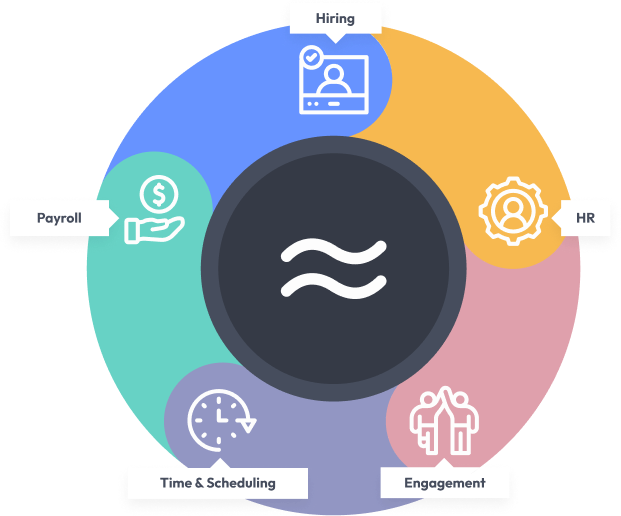

Hiring
Hire better quality workers, faster

HR
Streamline people processes and ensure employee records are always accurate

Engagement
Reduce turnover and increase worker engagement

Time & Scheduling
Manage schedules and hours worked to optimize your labor costs

Payroll
Pay your team quickly, easily, and accurately
resources
Become a hiring and onboarding expert.


Be smart with your hourly workforce
