



How to Hire Patient Account Representatives: Step-by-Step Guide for Small Business Owners
Discover proven steps to hire patient account representatives efficiently. Learn best practices to attract, assess, and onboard top talent for your healthcare team.

How to Hire Patient Account Representatives: A Practical Guide for Small Business Owners
Let’s be honest—finding the right people to hire patient account representatives can feel a bit like searching for a needle in a haystack, especially if you’re a small business owner juggling a million things at once. But getting this hire right is crucial. These folks are the bridge between your patients and your bottom line, and their work can make or break your revenue cycle. So, how do you recruit a healthcare billing team that’s not just competent, but also a great fit for your culture? Let’s walk through it together.
Understanding the Role: What Makes a Great Patient Account Representative?
Before you hire medical billing staff, it’s important to nail down what you’re actually looking for. Patient account representatives (sometimes called patient account specialists or medical billing clerks) are responsible for billing, collections, and helping patients understand their financial responsibilities. They need solid communication skills, a knack for numbers, and a whole lot of patience—because, let’s face it, billing questions can get heated.
- Strong attention to detail and accuracy in data entry
- Familiarity with medical billing software and HIPAA compliance
- Empathy and clear communication—especially when explaining bills
- Problem-solving skills for resolving payment issues
If you’re wondering how to write a job description that attracts the right candidates, check out these tips for employee handbooks—the principles translate well to healthcare, too. And for a deep dive into what makes employees committed, don’t miss these five traits of committed employees.
Recruiting Your Healthcare Billing Team: Where to Start?
Crafting the Perfect Job Posting
Honestly, a well-written job posting is half the battle. Highlight the benefits and perks you offer—benefits are a huge draw in healthcare, as shown in this DoorDash report on benefits and retention. Be specific about the skills and experience you need, but don’t scare off great candidates with a laundry list of requirements. Sometimes, attitude really is everything (here’s how one fast-food chain keeps its turnover rates low).
For inspiration, check out these job posting examples and creative tips to make your job posting stand out. And don’t forget to include clear information about pay—salary transparency is more important than ever (see why salary is the most important part of a job ad).
Where to Find Candidates
It’s not all about Indeed and LinkedIn anymore. Many hourly and administrative candidates are active on social platforms—posting on Facebook groups or even Instagram can yield surprising results (see how to use Instagram to hire). If you’re looking for more traditional routes, these free job posting sites are a great place to start. And don’t underestimate the power of employee referrals—sometimes your best new hire is a friend of your best current employee (learn about managing referral programs).
Screening and Interviewing: Don’t Skip the Details
Once you’ve got applicants, it’s time to screen. Automated systems like Workstream’s hiring automation can save you hours—literally, our data shows it can cut your time-to-hire in half. When interviewing, focus on both technical skills and cultural fit. Try these motivational interviewing techniques and cultural fit interview questions to dig deeper. And if you’re hiring for a medical billing clerk, don’t forget to ask about experience with compliance and privacy regulations (HIPAA is no joke!).
Onboarding and Retaining Your Team: Setting Up for Success
Streamlining Onboarding
Let me explain—onboarding isn’t just paperwork. A smooth onboarding process sets the tone for your new hire’s entire experience. Digital workflows, like those offered by Workstream’s onboarding tools, can help you reduce onboarding time from hours to minutes. For more ideas, check out these onboarding templates and tips for getting employee onboarding right.
And don’t forget compliance—accurate recordkeeping and documentation are musts in healthcare. Automating this process can save you from headaches (and lawsuits) down the road.
Keeping Turnover Low
Turnover in healthcare billing can be a real budget-buster. The cost of employee turnover is higher than most people realize, and it’s not just about money—losing a team member means lost knowledge and disrupted workflows. To keep your team happy, focus on engagement and growth. This Harvard Business Review piece on engaging hourly workers is packed with actionable advice. And for a look at the numbers, here’s how turnover impacts your bottom line.
Offering flexible schedules, clear career paths, and recognition can go a long way (see what companies can do better for hourly workers). If you’re curious about how benefits directly impact recruitment and retention, this DoorDash and Technomic report is worth a read.
Common Pitfalls and How to Avoid Them
- Vague job descriptions: Be clear about duties and expectations. Candidates want to know what they’re signing up for (get job description tips here).
- Poor onboarding: A rushed or confusing onboarding process can send new hires running. Use checklists and digital tools to keep things organized (see onboarding templates).
- Ignoring compliance: Healthcare billing is regulated—don’t risk fines or lawsuits by cutting corners (get legal guidance here).
- Neglecting culture fit: Skills matter, but so does attitude. A great team member needs both (see the link between job satisfaction and turnover).
Why Workstream Makes Sense for Healthcare Billing Teams
If you ask me, automating the repetitive stuff—like scheduling, onboarding, and compliance tracking—just makes sense. Workstream’s platform is built for hourly and administrative teams, making it a natural fit for anyone looking to hire patient account representatives or recruit healthcare billing staff. You’ll save time, cut costs, and—maybe most importantly—create a better experience for your team and your patients.
And if you’re still on the fence, consider this: Workstream can help you reduce turnover by half and save up to $25K a year on compliance headaches. That’s not just a win for your business—it’s a win for your sanity.
Conclusion: Building a Strong, Sustainable Billing Team
Hiring patient account representatives isn’t just about filling a seat—it’s about building a team that keeps your business running smoothly, keeps patients happy, and keeps your finances healthy. With clear job descriptions, smart recruiting, and a focus on onboarding and retention, you’ll set yourself up for long-term success. And with tools like Workstream in your corner, you’ll have more time to focus on what matters most: growing your business and serving your community.
Further Reading from Workstream
- Learn about onboarding templates for a great new hire experience
- Explore tips for calling out benefits in job descriptions
- Find out how to write better job postings
- Discover how hiring automation can transform your process
- Get more insights on employee retention in healthcare
.svg)


All your important HR tasks under one roof
Today’s business owners and HR teams are overwhelmed with administrative tasks: manual processes and exports, duplicative data entry, and siloed information. Workstream centralizes and simplifies people tasks so you can move fast, reduce labor costs, and simplify operations—all in one place.
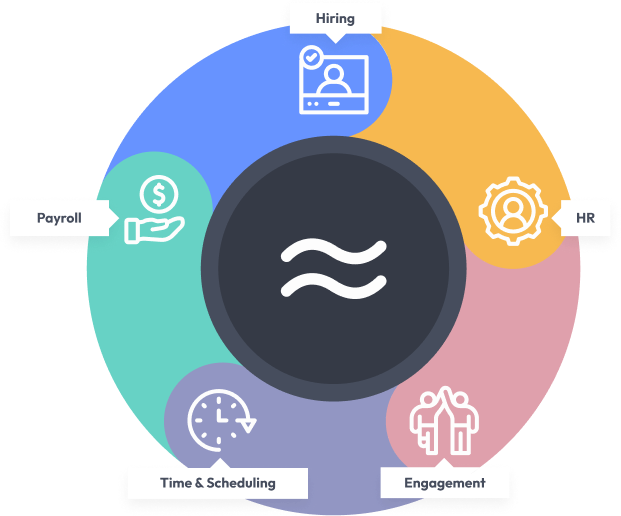

Hiring
Hire better quality workers, faster

HR
Streamline people processes and ensure employee records are always accurate

Engagement
Reduce turnover and increase worker engagement

Time & Scheduling
Manage schedules and hours worked to optimize your labor costs

Payroll
Pay your team quickly, easily, and accurately
resources
Become a hiring and onboarding expert.



Be smart with your hourly workforce
