



How to Hire Window Treatment Installers: Practical Steps for Small Businesses
Learn the best steps to hire window treatment installers, from sourcing top talent to onboarding, and ensure your restaurant gets the perfect fit for every project.

How to Hire Window Treatment Installers: A Practical Guide for Small Businesses
Let’s be honest—if you’re trying to hire window treatment installers, you probably know the headaches that come with it. Between finding people who actually know their way around a tape measure and keeping up with ever-changing compliance rules, it can feel like you’re juggling flaming batons. But don’t worry, you’re not alone. Whether you own a bustling franchise or a family-run shop, getting the right folks on your team is half the battle. So, how do you find window treatment installers who are reliable, skilled, and ready to get to work?
The Basics: What Makes a Great Window Treatment Installer?
First things first—let’s talk about what you should look for when you recruit window treatment installers. Sure, you want someone who can handle a drill, but there’s more to it than that. You want a blend of technical know-how and customer service skills. After all, these folks are often the face of your business in someone’s home or office.
- Technical skills: They should be comfortable with measurements, tools, and different types of window treatments.
- Attention to detail: One crooked blind and your customer’s going to notice—trust me.
- Reliability: No-shows or late arrivals can tank your reputation faster than you can say “Roman shade.”
- Customer service: Installers need to communicate clearly and leave a good impression.
According to industry research, high turnover in skilled roles can cost you thousands each year. So, investing in the right people up front is just good business sense.
Where to Find Window Treatment Experts: Sourcing & Screening
Modern Sourcing Tactics
Gone are the days when you could just slap an ad in the local paper and wait for the calls to roll in. Today, you need to be strategic about where you find window treatment installers. Platforms like Workstream let you post jobs across multiple boards and screen applicants quickly. You can also use social media—yes, even Facebook groups—to reach people who might not be on traditional job sites.
For a deeper dive on creative job postings, check out these tips to make your job posting stand out and examples that attract quality hourly workers.
Screening for the Right Fit
Once you’ve got applicants, the real work begins. Automated screening tools can help you weed out folks who don’t meet your must-haves. For example, Workstream’s hiring automation lets you set up custom workflows that automatically move the best candidates forward. This not only saves you time but also cuts your time-to-hire in half—which, if you ask me, is a game-changer.
Don’t forget to check references and confirm experience. For hourly roles, it’s smart to ask scenario-based questions—like, “What would you do if a customer wasn’t happy with an installation?” For more on this, see motivational interviewing techniques and cultural fit interview questions.
Recruitment and Retention: Keeping Your Best Installers
Competitive Pay and Benefits
Let’s not dance around it—pay matters. According to research, salary is the first thing job seekers look at. But benefits are a close second. Offering perks like flexible schedules or instant pay access (see how instant pay works) can help you stand out. For more on how benefits impact hiring, see this DoorDash report.
Training and Onboarding
Great onboarding isn’t just for the big guys. Streamlined, mobile-friendly onboarding—like what Workstream offers—can cut onboarding time from hours to minutes. This means your new hires are on the job (and earning) faster. For onboarding templates, check these onboarding templates.
And don’t underestimate the power of ongoing training. Well-trained employees are more likely to stick around, which helps you avoid the high costs of turnover. For more on retention strategies, see SHRM’s retention strategies and the real cost of turnover.
Compliance and Recordkeeping: Don’t Get Burned
Here’s the thing—labor laws aren’t getting any simpler. Accurate recordkeeping is a must, and mistakes can cost you big. For a rundown on what you need to keep, see the Department of Labor’s guide. Workstream’s platform helps automate compliance, so you don’t have to sweat the paperwork.
Common Pitfalls and How to Avoid Them
- Rushing the process: It’s tempting to hire the first warm body, but that can backfire. Take the time to screen carefully.
- Underestimating training: Even experienced installers need to know your way of doing things. A solid onboarding process pays off.
- Ignoring culture fit: Skills matter, but so does attitude. Someone who can’t work well with your team or customers isn’t worth the headache.
- Neglecting feedback: Regular check-ins help you catch issues early and keep your team engaged. For tips, see Bringing Out the Best in People.
And if you’re curious about how top franchises keep their teams engaged, check out stories like Five Guys’ growth and why McDonald’s is so profitable.
Technology: Your Secret Weapon in Window Treatment Installation Recruitment
Let’s face it, technology can be a lifesaver. Platforms like Workstream bring everything—hiring, onboarding, scheduling, payroll—under one roof. This means less time juggling spreadsheets and more time growing your business. Plus, with features like automated interview scheduling and digital document storage, you can cut your HR tool costs by up to 50% (seriously, that’s a lot of saved dough).
For more on using technology to streamline your hiring, see digital recruiting strategies and proactive candidate sourcing. And if you want to see how automation can help you recruit window treatment installers faster, check out Workstream’s hiring solutions for hourly workers.
Conclusion: Building a Team That Sticks
Hiring the right window treatment installers isn’t just about filling a spot—it’s about building a team that helps your business shine. From sourcing and screening to onboarding and retention, every step matters. And with the right mix of technology, training, and a dash of good old-fashioned people skills, you’ll be well on your way to building a crew you can count on.
If you’re ready to make your hiring process smoother, faster, and more effective, Workstream’s hiring automation is worth a look. And if you want more tips on managing your hourly workforce, check out these guides:
.svg)


All your important HR tasks under one roof
Today’s business owners and HR teams are overwhelmed with administrative tasks: manual processes and exports, duplicative data entry, and siloed information. Workstream centralizes and simplifies people tasks so you can move fast, reduce labor costs, and simplify operations—all in one place.
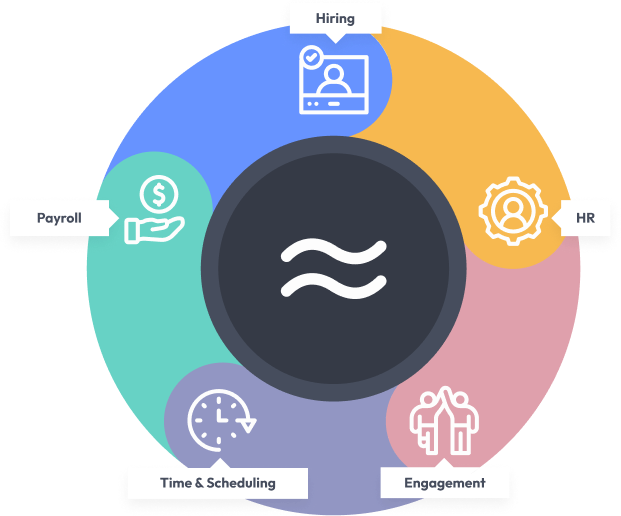

Hiring
Hire better quality workers, faster

HR
Streamline people processes and ensure employee records are always accurate

Engagement
Reduce turnover and increase worker engagement

Time & Scheduling
Manage schedules and hours worked to optimize your labor costs

Payroll
Pay your team quickly, easily, and accurately
resources
Become a hiring and onboarding expert.

Be smart with your hourly workforce
