



How to Hire Salespersons: Expert Tips to Build a Winning Sales Team for Small Businesses
Discover proven strategies to hire salespersons, streamline your recruitment process, and build a strong sales team for your small business success.

How to Hire Salespersons: A Practical Guide for Small Businesses
Let’s be honest—if you run a small business, hiring salespersons can feel a bit like trying to catch lightning in a bottle. You want someone who’s hungry, resilient, and ready to hit the ground running, but the process can be overwhelming. Whether you’re looking to hire a sales team for the first time or just need to recruit sales staff to keep up with growth, getting it right is crucial. After all, a great salesperson can be the difference between a record-breaking quarter and a slow season.
Why Salesperson Recruitment Is So Darn Important
Here’s the thing: your sales team is the engine that keeps your business humming. If you’re not careful about sales team recruitment, you risk stalling out. And in the restaurant and franchise world, where margins are tight and competition is fierce, every hire counts.
According to industry research, losing a front-line employee can cost you nearly $6,000. That’s not just pocket change. Add in the time it takes to replace a salesperson—often weeks or even months—and you start to see why smart salesperson recruitment is a top priority.
Turnover: The Silent Profit Killer
High turnover isn’t just a headache; it’s a profit killer. Turnover rates in restaurants and other hourly businesses are among the highest in any industry. If you ask me, it’s all about finding the right fit from the start—and holding onto them with everything you’ve got.
What Makes a Great Salesperson?
Sure, you want someone with a killer resume, but attitude and culture fit matter just as much. According to Harvard Business Review, hiring for attitude and training for skill can dramatically lower turnover. That’s a lesson every small business owner should take to heart.
Building a Rock-Solid Sales Team: Where to Start
So, how do you find sales representatives who’ll stick around and deliver results? Let’s break it down:
- Define the Role Clearly: Start with a detailed job description. Job description resources can help you nail down exactly what you need.
- Source Candidates Strategically: Don’t just post on one job board and hope for the best. Use platforms like free job posting sites and social media to cast a wide net.
- Screen for Soft Skills: A great salesperson needs empathy, resilience, and the ability to connect. Tools like pre-employment assessments can help you evaluate these traits.
- Streamline Your Process: The faster you move, the less likely you’ll lose candidates to competitors. Automated hiring tools like Workstream’s hiring automation can cut your time-to-hire in half—no joke.
Interviewing: It’s Not Just About the Questions
When you’re interviewing, don’t just stick to the script. Mix in some motivational interviewing techniques and cultural fit interview questions to get a real sense of how candidates will mesh with your team. Sometimes, the best hire isn’t the one with the flashiest credentials, but the one who brings energy and positivity to the table.
Onboarding: The Secret Sauce to Retention
Ever notice how some businesses seem to keep their best salespeople for years? It’s not luck—it’s a solid onboarding process. Effective onboarding can reduce turnover and ramp up productivity. Consider using onboarding templates to make the process seamless.
Common Pitfalls in Sales Team Recruitment (And How to Dodge Them)
Let’s be real—everyone makes mistakes. But when it comes to sales team recruitment, a few classic blunders can really set you back:
- Rushing the Process: It’s tempting to hire the first decent candidate, especially when you’re short-staffed. But a rushed hire often leads to regret. Take your time, even if you’re feeling the pressure.
- Neglecting Culture Fit: Skills can be taught, but attitude is tough to change. Make sure your new hires align with your company’s values. Research shows that job satisfaction and culture fit are key to long-term retention.
- Ignoring Onboarding: Don’t just toss new hires into the deep end. Onboarding statistics prove that a structured welcome leads to higher engagement and less turnover.
- Forgetting Compliance: Keep your records straight and stay up to date on labor laws. The U.S. Department of Labor has guidelines every employer should follow. Skipping this step could cost you big time.
Using Tech to Your Advantage
Honestly, if you’re still using spreadsheets and sticky notes, you’re working way too hard. Platforms like Workstream automate everything from candidate screening to onboarding, saving hours each week and helping you avoid costly mistakes. Plus, you get built-in compliance tools and digital document storage—no more chasing down paperwork at tax time.
Retention: Keeping Your Sales Stars Happy
So you’ve managed to hire salespersons who fit your business like a glove. Now what? Keeping them engaged is just as important as finding them in the first place. According to DoorDash research, offering the right benefits can make a huge difference in employee retention and morale.
- Offer Competitive Pay: Check out what competitors are paying using wage comparison guides.
- Provide Growth Opportunities: Employees want to see a future with your company. Harvard Business Review highlights the importance of career development for young workers.
- Recognize Achievements: Simple gestures—like celebrating a work anniversary—go a long way in making employees feel valued.
- Keep Communication Open: Use team-wide tools to keep everyone in the loop and reduce no-shows. Effective communication is a game-changer.
Benefits and Perks: The Icing on the Cake
Don’t underestimate the power of a good benefits package. Starbucks’ benefits for hourly workers are a great example of how perks can boost engagement. And if you’re not sure where to start, employee handbook tips can help you outline your offerings clearly.
Conclusion: Make Every Hire Count
At the end of the day, learning how to hire salespersons is about more than just filling seats. It’s about building a team that’s committed, motivated, and ready to help your business grow. By focusing on clear job descriptions, smart sourcing, thoughtful interviews, and robust onboarding, you set yourself up for success.
And if you’re ready to make the process even smoother, consider a platform like Workstream. With tools for hiring automation, onboarding, and employee scheduling, it’s never been easier to build and keep a winning sales team.
Further Reading from Workstream
.svg)


All your important HR tasks under one roof
Today’s business owners and HR teams are overwhelmed with administrative tasks: manual processes and exports, duplicative data entry, and siloed information. Workstream centralizes and simplifies people tasks so you can move fast, reduce labor costs, and simplify operations—all in one place.
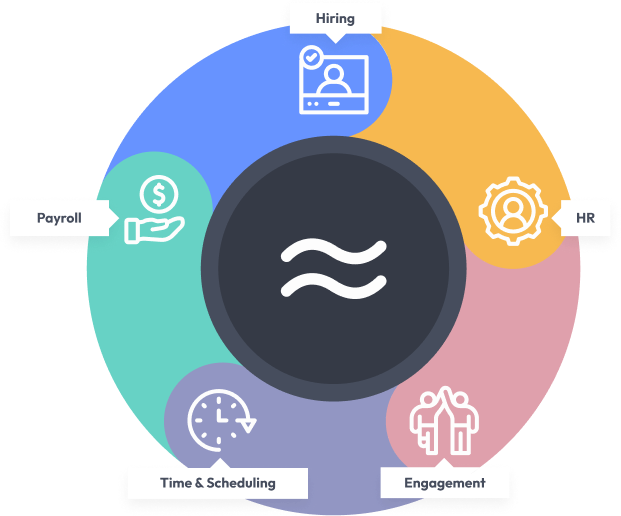

Hiring
Hire better quality workers, faster

HR
Streamline people processes and ensure employee records are always accurate

Engagement
Reduce turnover and increase worker engagement

Time & Scheduling
Manage schedules and hours worked to optimize your labor costs

Payroll
Pay your team quickly, easily, and accurately
resources
Become a hiring and onboarding expert.



Be smart with your hourly workforce
