



How to Hire Cashiers Efficiently: Streamline Cashier Recruitment for Your Business
Streamline how you hire cashiers and recruit store employees with Workstream’s mobile-first platform—automate cashier recruitment, simplify point of sale staff hiring, and build stronger teams faster.

How to Hire Cashiers: A Practical Guide for Small Business Owners
If you run a retail store, restaurant, or any business with a point of sale, you know that hiring cashiers isn’t just about filling a slot behind the register. It’s about finding the right people who can juggle transactions, keep their cool during rush hour, and—let’s be honest—smile even when the receipt printer jams for the third time in an hour. Let’s walk through what it really takes to hire cashiers who’ll stick around, make your life easier, and keep your customers coming back.
Why Cashiers Matter More Than You Think
Cashiers are often the first and last people your customers interact with. They’re your brand ambassadors, unofficial loss-prevention officers, and sometimes therapists for frazzled shoppers. If you ask me, a great cashier is worth their weight in gold (or, at least, in upsold gum and gift cards).
But here’s the thing: turnover in cashier roles is sky-high. According to industry research on employee turnover, quick-service restaurants and retail stores lose front-line staff at alarming rates—costing businesses thousands each year in hiring and training costs. That’s why getting cashier recruitment right is so critical.
The Foundations of Effective Cashier Recruitment
Step 1: Write a Job Description That Attracts (Not Repels)
Your job post is your first impression. Make it count! Highlight not just the tasks (“run the register,” “make change”), but also what makes working for you special. Do you offer flexible shifts? Instant pay access? Opportunities for growth? Spell it out. For inspiration, check out these job posting examples that attract quality hourly workers.
Don’t forget to mention benefits—even if they’re as simple as free coffee or employee discounts. According to research on benefits and recruitment, perks can be the difference between landing a superstar and getting ghosted after the first interview.
Step 2: Cast a Wide Net When You Recruit Cashiers
Don’t rely on a single channel. Post on job boards, local Facebook groups, and even Instagram. Believe it or not, social media is now a top way to recruit store employees using Instagram. And don’t overlook referrals—your best employees probably know others who’d fit right in.
- Explore free job posting sites for hourly workers
- Learn how to post jobs effectively on Craigslist
- Read about digital recruiting strategies for talent acquisition
Step 3: Screen Smartly—Don’t Just Trust Your Gut
It’s tempting to hire the first smiling face who walks through the door. But structured screening saves you headaches down the line. Use simple skills tests (can they count change quickly?), scenario questions (“What would you do if a customer is upset about a coupon?”), and check for reliability. Automated tools like Workstream’s hiring automation platform can help you set up screening questions and even schedule interviews by text—saving you hours every week.
For more tips, see these motivational interviewing techniques and STAR method interview guides.
Step 4: Nail the Interview—But Keep It Real
You don’t need to grill candidates like it’s the CIA. Instead, focus on situational questions and cultural fit. Ask about times they handled a tough customer or managed multiple tasks at once. For more on this, check out these cultural fit interview questions.
Onboarding: Turning New Hires Into Loyal Team Members
The First Days Set the Tone
A rushed or confusing onboarding process can send new hires running for the exit. Instead, give them a warm welcome—introduce them to the team, show them where everything is (even if it’s just where you stash the good pens), and walk through expectations clearly.
- Use onboarding templates to streamline new hire experiences
- Learn why onboarding is more than just paperwork
- Discover effective training techniques for new employees
Consider digital onboarding tools that let new hires fill out forms from their phones—no more chasing down paperwork or deciphering handwriting that looks like chicken scratch. Workstream’s onboarding features are built for this exact scenario.
Compliance and Legal Details: Don’t Skip This Stuff!
Cashier recruitment comes with legal strings attached. You’ll need to follow minimum wage laws, keep accurate records (see DOL wage recordkeeping requirements), and ensure your job descriptions meet ADA standards (job description compliance guidance here). If you're unsure, consult an employment attorney or HR expert—better safe than sorry.
Disclaimer: This article offers general advice; always check with legal counsel for your specific situation.
Retention: Keeping Your Point of Sale Staff Happy (and Onboard)
Treat Cashiers Like People—Not Just Numbers
It sounds obvious, but too many businesses forget this. Recognize hard work (even a simple “thank you” goes a long way), offer regular feedback, and provide opportunities for growth—even if it’s just learning how to close out the register or train new hires.
Want to reduce turnover? Studies show that employee turnover costs restaurants thousands each year. Investing in engagement pays off. For more insights, see what makes restaurant employees happy and how to fix high restaurant employee turnover.
Offer Flexibility—and Brag About It!
If you can offer flexible scheduling or instant pay access, shout it from the rooftops (or at least your job ads). These perks are huge for today’s workforce. Curious about instant pay? Read about how daily pay works for hourly employees.
Leverage Technology to Make Life Easier—for Everyone
From scheduling apps that prevent overstaffing to automated reminders that cut down on no-shows, technology can help you manage your team without pulling your hair out. Workstream’s platform lets you handle everything from hiring to payroll in one place—saving time and reducing errors.
- See how Gap gives employees more control over schedules
- Download a 24-hour schedule template for efficient shift planning
- Tips for improving labor productivity in small businesses
Common Pitfalls When Hiring Cashiers—and How to Dodge Them
- Rushing the process: Filling a spot fast might seem smart now but can lead to headaches later. Take time to recruit cashiers thoughtfully.
- Poor training: Undertrained cashiers make costly mistakes and frustrate customers. Invest in training upfront—trust me, it pays off.
- Lack of feedback: Cashiers want to know how they’re doing. Regular check-ins can boost morale and performance.
- Ignoring culture fit: Skills matter, but attitude is everything. Hire for both.
- Neglecting compliance: Keep up with wage laws and documentation requirements—or risk hefty fines.
The Bottom Line: Hire Cashiers Who Will Help Your Business Thrive
If you want to build a team that keeps your business humming—and your customers smiling—focus on more than just filling seats behind the counter. Take time to recruit cashier candidates who fit your culture, invest in onboarding and training, and use technology like Workstream’s hiring automation tools to make your life easier.
The right approach won’t just help you fill open roles—it’ll help you build a stronger business for years to come.
Further Reading & Resources on Cashier Recruitment
.svg)


All your important HR tasks under one roof
Today’s business owners and HR teams are overwhelmed with administrative tasks: manual processes and exports, duplicative data entry, and siloed information. Workstream centralizes and simplifies people tasks so you can move fast, reduce labor costs, and simplify operations—all in one place.
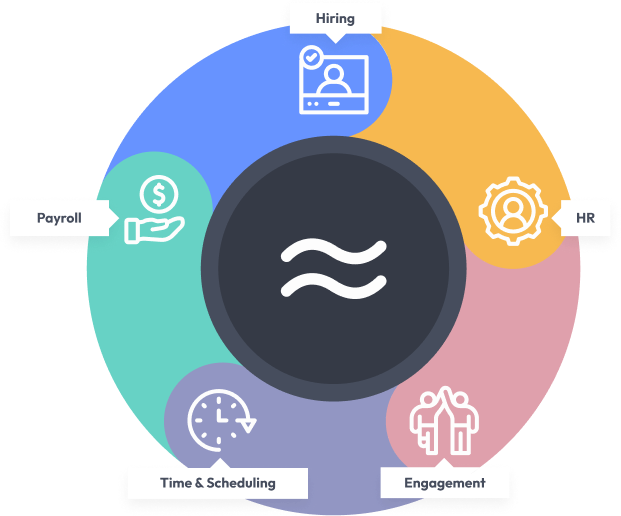

Hiring
Hire better quality workers, faster

HR
Streamline people processes and ensure employee records are always accurate

Engagement
Reduce turnover and increase worker engagement

Time & Scheduling
Manage schedules and hours worked to optimize your labor costs

Payroll
Pay your team quickly, easily, and accurately
resources
Become a hiring and onboarding expert.

Be smart with your hourly workforce
