



How to Hire Fashion Merchandisers: Step-by-Step Guide to Find and Retain Top Merchandising Talent
Learn how to hire fashion merchandisers with our step-by-step guide—find top talent, streamline your hiring process, and build a successful retail team today.

How to Hire Fashion Merchandisers: A Practical Guide for Small Business Owners
If you run a boutique, manage a retail chain, or oversee a growing e-commerce brand, you know that finding and keeping top talent in fashion merchandising can feel like threading a needle while riding a rollercoaster. Honestly, hiring fashion merchandisers is both an art and a science—one that requires a sharp eye for style, a knack for numbers, and a whole lot of patience. But let’s break it down together, shall we? Here’s how you can hire fashion merchandisers who’ll help your business shine.
Understanding the Role: What Makes a Great Fashion Merchandiser?
Before you start the fashion merchandising recruitment process, it helps to know what you’re looking for. A fashion merchandiser isn’t just someone who loves clothes (though that doesn’t hurt). They’re responsible for analyzing trends, forecasting demand, planning inventory, and creating displays that turn window shoppers into loyal customers. In short, they’re part artist, part analyst, and part sales strategist.
Key Skills to Look For
- Trend Awareness: Can they spot what’s next before it hits Instagram?
- Analytical Mindset: Do they use sales data to inform decisions?
- Communication: Can they collaborate across buying, marketing, and store teams?
- Attention to Detail: Are their displays and assortments always on point?
For more on building a strong team, check out these qualities of a good manager—many apply to merchandisers, too.
Fashion Merchandising Recruitment: Where and How to Find Talent
Let’s be real: great merchandisers don’t just walk in off the street. You need a strategy. Here’s the thing—whether you’re looking to hire retail merchandisers for a flagship store or staff up for a seasonal rush, your approach matters.
Crafting the Right Job Description
Start with a clear, compelling job post. Highlight growth opportunities, flexibility, and any unique perks. If you need a template, these job posting examples are a lifesaver. Don’t forget to call out benefits—according to industry research, benefits are a huge factor in attracting top talent.
Where to Post and Source Candidates
- Workstream’s hiring platform—designed for hourly and retail roles
- Industry-specific job boards and LinkedIn groups
- Employee referrals—sometimes, your best new hire is a friend-of-a-friend
- Social media—Instagram is surprisingly effective for creative roles (here’s how)
For more sourcing ideas, see this guide to finding candidates.
Fashion Merchandising Staffing: Screening, Interviewing, and Onboarding
Now, let’s talk about turning applicants into all-star merchandisers. The fashion merchandising staffing process is where you separate the trendsetters from the trend followers.
Screening for Fit and Skill
Use pre-employment assessments to test for both technical knowledge and cultural fit. Not sure how? Take a look at digital assessment tools that make it easy to evaluate candidates objectively.
When it comes to interviews, ask questions that reveal both their creative process and their ability to analyze sales data. For example, “Tell me about a time you turned around a slow-moving product line.” And for more inspiration, check out these cultural fit interview questions and motivational interviewing techniques.
Onboarding: Setting Up for Success
Onboarding isn’t just paperwork—it’s your chance to set expectations and build loyalty from day one. A smooth, digital onboarding process (like the one Workstream offers) can reduce time-to-productivity and help new hires feel at home. For practical templates, see these onboarding templates.
Retention: Keeping Your Merchandisers Happy and Engaged
Here’s a not-so-secret truth: hiring is only half the battle. Retaining great merchandisers is where the real magic happens. High turnover costs more than you think—sometimes up to 200% of an employee’s annual salary, according to industry research. So, how do you keep your team happy?
Keys to Retention
- Competitive Pay: Compare your wages to industry benchmarks (see how you stack up).
- Clear Career Paths: Show merchandisers how they can grow with you.
- Recognition: Celebrate wins, big and small—sometimes a simple “thank you” goes a long way.
- Work-Life Balance: Flexible scheduling isn’t just a buzzword; it’s a retention tool (learn more).
For more on reducing turnover, check out these turnover solutions and causes of employee turnover in retail and hospitality.
Compliance and Practical Pitfalls: Don’t Get Caught Off Guard
Let’s not sugarcoat it—compliance is a headache, but skipping it is even worse. Make sure you’re following recordkeeping rules and wage laws. Digital platforms like Workstream can help you stay organized, cut down on paperwork, and avoid costly mistakes (which, by the way, can save you up to $25K a year in lawsuits and fees!).
And if you’re hiring part-time merchandisers, brush up on part-time hour limits and benefits eligibility so you don’t run afoul of the rules.
Disclaimer: This article is for informational purposes only and does not constitute legal advice. Always consult with a qualified professional regarding compliance matters.
Conclusion: Make Merchandising Your Secret Weapon
At the end of the day—wait, scratch that. Let’s just say: hiring and retaining great fashion merchandisers isn’t just about filling a role. It’s about investing in your business’s future, building a brand people love, and keeping your shelves (and your sales) looking sharp. If you ask me, tools like Workstream make the whole process a lot less stressful and a lot more effective, especially if you’re juggling hiring, onboarding, scheduling, and payroll for a busy retail operation.
Ready to recruit fashion merchandisers who’ll take your business to the next level? Start with a clear plan, lean on technology, and remember: a little empathy and flexibility go a long way. Good luck—and may your racks always be full and your turnover rates low!
Further Reading and Resources
.svg)


All your important HR tasks under one roof
Today’s business owners and HR teams are overwhelmed with administrative tasks: manual processes and exports, duplicative data entry, and siloed information. Workstream centralizes and simplifies people tasks so you can move fast, reduce labor costs, and simplify operations—all in one place.
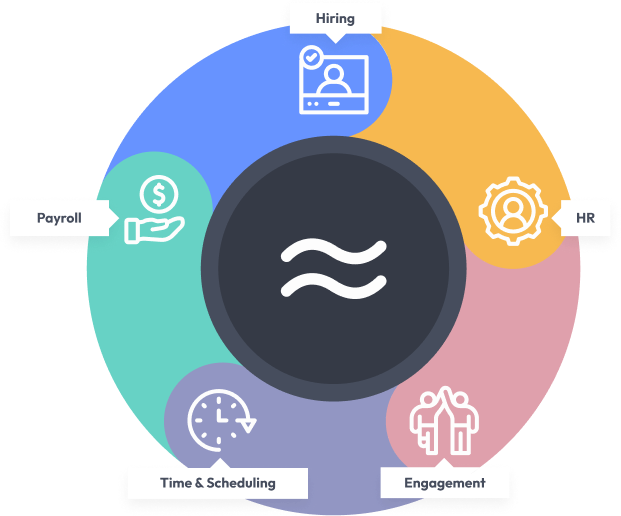

Hiring
Hire better quality workers, faster

HR
Streamline people processes and ensure employee records are always accurate

Engagement
Reduce turnover and increase worker engagement

Time & Scheduling
Manage schedules and hours worked to optimize your labor costs

Payroll
Pay your team quickly, easily, and accurately
resources
Become a hiring and onboarding expert.


Be smart with your hourly workforce
