



How to Hire Transcribers: Step-by-Step Guide for Finding Top Talent for Your Business
Learn effective strategies to hire transcribers, from creating job posts to onboarding, and build a skilled team for accurate, efficient transcription services.

How to Hire Transcribers: A Practical Guide for Small Business Owners
Ever tried to hire transcribers for your business and found yourself knee-deep in resumes, unsure who really has the chops to turn audio into accurate text? You’re not alone. Whether you’re running a bustling restaurant, a medical office, or a legal practice, accurate transcription can be a game-changer—saving time, reducing errors, and even boosting compliance. But finding the right people? That’s where things get tricky. Let’s break down how to build a rock-solid transcription team without losing your mind—or your budget.
Why Professional Transcribers Matter
The Value of Accuracy and Speed
Let’s be honest: anyone can type, but not everyone can hire transcriptionists who can handle accents, industry jargon, or that one employee who mumbles like they’ve got marbles in their mouth. High turnover and low engagement are rampant in hourly roles, which is why getting the right fit from the start is so important. A skilled transcriber not only produces clean, accurate documents—they also help keep your business running smoothly, especially when deadlines are tight.
Compliance and Confidentiality
For businesses dealing with sensitive information, compliance isn’t just a buzzword—it’s a must. The U.S. Department of Labor lays out strict recordkeeping rules, and a misstep can cost you dearly. That’s why transcription services that emphasize confidentiality and compliance are worth their weight in gold. If you’re in healthcare, legal, or finance, you already know the stakes. So, don’t cut corners here.
Building Your Dream Transcription Team
What to Look for When You Hire Transcribers
- Attention to Detail: Typos and missed words can change the meaning of a document. You want someone who sweats the small stuff.
- Industry Experience: Medical, legal, or technical transcribers need to know the lingo. Don’t be shy about asking for samples or tests.
- Speed and Reliability: Deadlines matter. Look for candidates who can prove they’ve handled high-volume work without sacrificing quality.
- Confidentiality: Especially for sensitive content, make sure your hires understand the importance of privacy and have a track record to back it up.
It’s a bit like picking a chef for your restaurant—you want someone who cares about every ingredient, not just the final dish.
Where to Find the Best Candidates
There’s no shortage of places to find talent, but quality varies. Consider using hiring automation tools designed for hourly and gig roles. Platforms like Workstream can help you sort applicants quickly, automate screening, and even schedule interviews—all from your phone. If you’re posting jobs on Indeed or Craigslist, make sure your job description stands out by calling out benefits and growth opportunities. For tips on crafting a compelling post, check out these best job posting examples.
Screening and Testing: Don’t Skip This Step
Honestly, skipping a skills test is like hiring a line cook without tasting their food. Use pre-employment assessments to gauge typing speed, accuracy, and familiarity with transcription software. Some businesses even use digital recruiting strategies to broaden their reach and find specialized talent.
Onboarding and Retaining Your Transcription Team
Setting the Stage for Success
Once you hire transcriptionists, don’t just toss them into the deep end. A structured onboarding process can make a world of difference. Using onboarding templates helps ensure new hires know your expectations, workflow, and compliance requirements from day one. If you ask me, investing a little extra time here pays off tenfold in reduced turnover and higher productivity.
Keeping Your Team Engaged
Retention is where many businesses stumble. According to industry research, high turnover can cost up to 200% of an employee’s annual salary. That’s a lot of dough. To keep your team happy, offer flexible scheduling, recognize top performers, and provide opportunities for growth. For more on keeping employees engaged, check out this guide on engagement and retention.
Leveraging Technology for Efficiency and Compliance
Let’s face it, manual scheduling and payroll are about as fun as a root canal. Modern platforms like Workstream automate these headaches, helping you avoid costly errors and compliance slip-ups. Plus, you’ll save hours every week—time you can spend actually running your business (or, dare I say, taking a day off?).
Common Pitfalls in Transcriber Recruitment (And How to Dodge Them)
Don’t Rely on Gut Instinct Alone
Sure, you might have a knack for reading people, but structured interviews and skill tests are your best defense against costly mis-hires. For some great interview techniques, check out these motivational interviewing tips and cultural fit questions.
Ignoring Work-Life Balance
Burnout is real. If your transcription team is drowning in back-to-back assignments, quality will slip and turnover will rise. Consider offering flexible hours or remote work options—something that’s increasingly expected by today’s workforce. For deeper insight, explore the impact of work-life balance on engagement.
Skipping Ongoing Training
Transcription technology and compliance rules change fast. Regular training keeps your team sharp and reduces errors. For effective training techniques, see these tips on running a great session.
Conclusion: The Smart Way to Hire Transcribers
Hiring the right transcribers isn’t just about filling seats—it’s about building a team that helps your business thrive. By focusing on accuracy, confidentiality, and engagement, and by leveraging modern tools like Workstream’s HR and payroll platform, you can cut turnover, save money, and keep your operations humming along. If you’re ready to make your next hire the best one yet, start with a clear process and the right technology. And hey, if you ever need a little extra guidance, Workstream’s team is just a click away.
More Resources for Building Your Transcription Team
- How benefits impact recruitment and retention
- The real cost of employee turnover
- How turnover affects your bottom line
- What companies can do better for hourly workers
- What makes employees happy at work
- Causes of turnover in hospitality
- How to fix high employee turnover
- How turnover is affecting the industry
- How to keep turnover rates low
- Improving engagement and retention
- Tips for a great employee handbook
- Work-life balance and engagement
- Recordkeeping requirements
- Digital recruiting strategies
- Pre-employment assessment tools
- Best job posting examples
- Onboarding templates
- Motivational interviewing techniques
- Cultural fit interview questions
- Effective training techniques
- Hiring automation with Workstream
- Find hourly workers with Workstream
- Workstream’s HR and payroll platform
- Contact Workstream
- How to hire on Indeed
Related Reading on Workstream
.svg)


All your important HR tasks under one roof
Today’s business owners and HR teams are overwhelmed with administrative tasks: manual processes and exports, duplicative data entry, and siloed information. Workstream centralizes and simplifies people tasks so you can move fast, reduce labor costs, and simplify operations—all in one place.
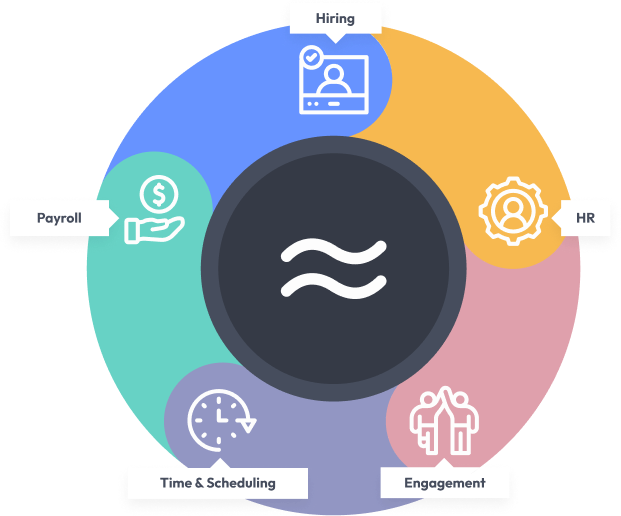

Hiring
Hire better quality workers, faster

HR
Streamline people processes and ensure employee records are always accurate

Engagement
Reduce turnover and increase worker engagement

Time & Scheduling
Manage schedules and hours worked to optimize your labor costs

Payroll
Pay your team quickly, easily, and accurately
resources
Become a hiring and onboarding expert.



Be smart with your hourly workforce
