



How to Hire Retail Assistant Managers: Proven Steps for Finding and Keeping Top Talent
Learn the best practices to hire retail assistant managers efficiently, from creating job descriptions to onboarding the right candidates for your store’s success.

How to Hire Retail Assistant Managers: A Practical Guide for Small Business Owners
If you’ve ever tried to hire retail assistant managers, you know it’s not just about finding someone who can unlock the doors and count the cash drawer. It’s about finding that rare blend of leadership, reliability, and people skills that keeps your store humming—especially when you’re not around. Let’s walk through what works, what doesn’t, and how you can make the process smoother (and maybe even a little less stressful).
Why the Right Assistant Manager Can Make or Break Your Store
Here’s the thing: your assistant manager is your right hand. When you choose the wrong person, you’re not just risking a few bad shifts—you’re risking higher turnover, lost sales, and a dip in team morale. According to industry research, high turnover can cost you thousands per year, not to mention the headaches of constant retraining.
So, what separates a great assistant manager from a mediocre one? If you ask me, it’s a mix of soft skills (think: empathy, communication, and adaptability) and hard skills (like scheduling, inventory, and basic HR know-how). But let’s not forget—sometimes, it’s the little things, like remembering a regular’s favorite order or jumping in to help during a rush, that really set someone apart.
Understanding the Retail Assistant Manager Position
Before you post that job ad, make sure you’re clear about what the retail assistant manager position really involves. Check out these tips for writing effective job descriptions—because clarity attracts the right candidates and weeds out the rest.
- Leadership and team development
- Customer service and conflict resolution
- Inventory and cash management
- Scheduling and shift coverage
And if you’re wondering how much to pay, benchmarking against other businesses is smart. Here’s a guide to hourly wage comparisons that can help you stay competitive.
Where and How to Find Store Managers and Retail Supervisors
Let’s be honest—posting on job boards alone won’t cut it anymore. The best candidates are often already working, maybe even for your competitors. So, how do you find store managers and recruit retail supervisors who fit your culture?
Modern Sourcing Strategies
- Leverage social media: Platforms like Instagram and Facebook are where your future managers hang out. Posting engaging content about your store culture can attract passive candidates.
- Employee referrals: Current team members often know people who’d be a great fit. Consider offering a referral bonus.
- Community connections: Don’t underestimate the power of local colleges, trade schools, and networking events.
- Specialized platforms: Use tools that cater to hourly and retail positions, like Workstream, to streamline your search.
For a deeper dive, check out these digital recruiting strategies and resources for finding qualified candidates.
Crafting a Standout Job Posting
Your job ad is your first handshake. Make it count! Highlight growth opportunities, benefits, and what makes your store unique. For inspiration, browse these job posting examples and creative recruitment ads.
Screening, Interviewing, and Onboarding: Getting It Right from the Start
Once applications start rolling in, it’s tempting to rush—but patience pays off. Here’s how to separate the superstars from the rest.
Screening for the Right Fit
- Use pre-employment assessments to gauge leadership and problem-solving skills. Tools like eSkill can help.
- Look for commitment and reliability—these traits of committed employees are gold in retail.
- Don’t ignore red flags, but also trust your gut. Sometimes, a candidate’s attitude matters more than a perfect resume.
Interview Questions That Reveal True Potential
Ask about real-world scenarios, not just hypotheticals. For example, “Tell me about a time you resolved a customer complaint” or “How do you motivate a team during a tough week?” For more ideas, see these cultural fit interview questions and motivational interviewing techniques.
Onboarding for Success
Don’t just toss your new hire the keys and hope for the best. A structured onboarding process can cut turnover in half and build loyalty from day one. Check out these onboarding templates and tips for getting onboarding right.
And if you’re short on time, a platform like Workstream can automate much of the paperwork and compliance, freeing you up to focus on training and culture-building.
Retention: Keeping Your Best Assistant Managers for the Long Haul
Let’s face it—recruiting is only half the battle. Retaining great managers is where the real challenge lies, especially with turnover rates soaring in retail and hospitality. So, what keeps assistant managers happy and loyal?
Competitive Pay and Benefits
It’s not all about the paycheck, but fair compensation matters. Offering perks like flexible scheduling, health benefits, and even daily pay options can make your store stand out. See how benefits impact recruitment and retention in the industry, and explore instant pay access options.
Growth and Development Opportunities
No one wants to feel stuck. Provide clear paths for advancement, ongoing training, and regular feedback. For more on keeping young hourly workers engaged, check out this Harvard Business Review study.
Work-Life Balance and Scheduling
Burnout is real. Use smart scheduling tools to avoid overwork and last-minute callouts. For practical scheduling tips, here’s a 24-hour schedule template and advice on choosing a time and attendance system.
Culture and Recognition
People stay where they feel valued. Celebrate milestones, recognize achievements, and foster a supportive team environment. For ideas on building a positive culture, see this insight on corporate culture and employee recognition strategies.
Common Pitfalls and How to Avoid Them
Even seasoned owners make mistakes. Here’s how to sidestep the most common traps when you hire retail assistant managers:
- Rushing the process—take time to vet candidates thoroughly.
- Neglecting onboarding—don’t assume new hires know your way of doing things.
- Ignoring culture fit—skills matter, but attitude is everything.
- Forgetting compliance—stay up to date with recordkeeping requirements and labor laws.
And if you’re feeling overwhelmed, remember: tools like Workstream’s all-in-one HR platform can help you automate the busywork and focus on what matters—building a strong, connected team.
Conclusion: Hiring Assistant Managers Doesn’t Have to Be a Headache
Finding and keeping great retail assistant managers is tough, but it’s far from impossible. With a clear understanding of the role, a smart sourcing strategy, and a focus on onboarding and retention, you can build a team that keeps your store thriving—whether you’re on the floor or finally taking that long weekend off.
Want to learn more about how technology can help you hire retail assistant managers faster and smarter? Explore Workstream’s platform and check out these resources for more practical tips:
.svg)


All your important HR tasks under one roof
Today’s business owners and HR teams are overwhelmed with administrative tasks: manual processes and exports, duplicative data entry, and siloed information. Workstream centralizes and simplifies people tasks so you can move fast, reduce labor costs, and simplify operations—all in one place.
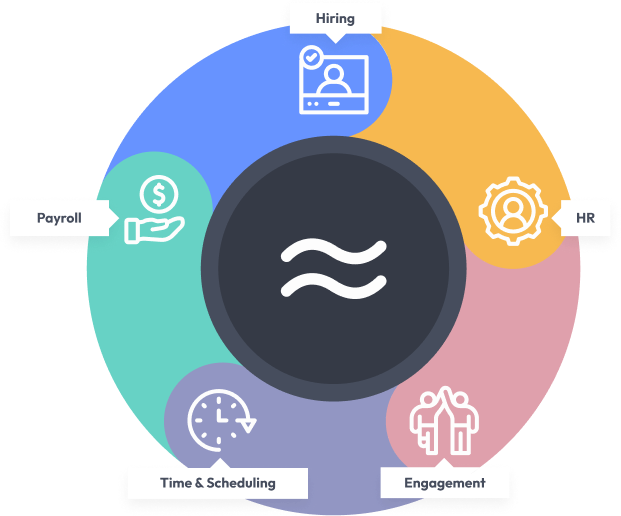

Hiring
Hire better quality workers, faster

HR
Streamline people processes and ensure employee records are always accurate

Engagement
Reduce turnover and increase worker engagement

Time & Scheduling
Manage schedules and hours worked to optimize your labor costs

Payroll
Pay your team quickly, easily, and accurately
resources
Become a hiring and onboarding expert.


Be smart with your hourly workforce
