



How to Hire Shift Leaders: Proven Steps to Build Strong Restaurant Teams
Learn how to hire shift leaders for restaurants with our expert guide. Discover key steps, tips, and best practices to find and recruit top shift leader talent for your team.

How to Hire Shift Leaders: Your Playbook for Building Restaurant Leadership
If you’ve ever tried to hire shift leaders for your restaurant, you know it’s a bit like assembling a championship sports team—every player matters, but your shift leaders are the ones calling the plays. Finding the right people to step into these roles can make or break your daily operations, boost morale, and keep your team humming along even on those wild Saturday nights. So, how do you recruit shift leaders who’ll help your business thrive? Let’s break it down, with a few detours into what really matters for restaurant leadership today.
Why Shift Leaders Are the Backbone of Restaurant Success
Before you even start to find shift supervisors, it’s worth asking: what makes a great shift leader? These folks aren’t just clock-punchers—they’re your culture carriers, your problem-solvers, and sometimes, your unofficial therapists. According to Michelin Guide’s look at turnover, strong leadership is one of the best ways to keep your team engaged and reduce costly churn.
Shift leaders bridge the gap between management and staff. They handle everything from smoothing over customer complaints to making sure the closing checklist actually gets done. If you ask me, they’re the glue holding the whole operation together.
What Makes a Standout Shift Leader?
- Excellent communication skills (think: clear, calm, and direct—even when the fryer’s on the fritz)
- Problem-solving chops and the ability to think on their feet
- Empathy and emotional intelligence—because sometimes, people just need to vent
- Experience in your restaurant’s specific environment, whether that’s fast casual or fine dining
Want to see what top brands look for? Check out these seven qualities of a great GM—many apply directly to shift leaders, too.
Where to Find—and How to Recruit—Great Shift Leaders
Let’s be honest: the days of hanging a “Help Wanted” sign in the window are long gone. To recruit shift leaders who’ll actually stick around, you need a strategy that blends technology, creativity, and a dash of local flavor.
Modern Sourcing: Go Where Your Candidates Are
- Use social media platforms like Instagram and Facebook, which are hotspots for hourly worker leads. Get tips on using Instagram for hiring.
- Leverage job boards with proven results. See which free job posting sites attract the best candidates for hourly roles.
- Don’t overlook internal promotions—sometimes your next shift leader is already on your team, just waiting for a shot.
And if you’re feeling stuck, proactive candidate sourcing can open up new talent pools you hadn’t considered.
Writing Job Descriptions That Attract Leaders, Not Just Warm Bodies
Crafting a compelling job post isn’t just about listing duties—it’s about selling the opportunity. For inspiration, check out these job posting examples and creative tips for job postings. Highlight growth opportunities, team culture, and any unique perks you offer. And don’t forget to call out benefits—benefits are a game-changer for recruitment and retention.
Screening, Interviewing, and Onboarding: Turning Applicants into Leaders
Screening for the Right Stuff
Let’s face it: resumes only tell half the story. Digital screening tools can help you weed out folks who aren’t a fit—saving you hours each week. Platforms like Workstream’s hiring automation let you set up custom workflows, automate reminders, and even schedule interviews by text. That’s not just slick—it’s practical, especially when you’re juggling a million other tasks.
For behavioral and cultural fit, try these cultural fit interview questions and motivational interviewing techniques. And if you want to keep things structured, the STAR method is a classic for a reason.
Onboarding: Don’t Drop the Ball After the Offer
Onboarding is where a lot of restaurants stumble. A rushed or confusing process can send new shift leaders running for the exits. Instead, aim for a welcoming, organized experience—maybe even using onboarding templates to make sure nothing slips through the cracks. Digital onboarding tools can cut paperwork time from hours to minutes, and help you stay compliant with recordkeeping requirements.
Want to see onboarding in action at scale? Here’s how top companies get onboarding right.
Retention, Growth, and Avoiding Common Pitfalls
Keeping Your Shift Leaders Engaged
Hiring is just the first step. To keep your new shift leaders around, focus on engagement, growth, and recognition. According to Harvard Business Review’s research on hourly worker retention, opportunities for advancement, fair pay, and a sense of belonging are key drivers.
Consider offering leadership training, regular feedback, and a clear path to management. For more on what employees value, this 7shifts survey on employee happiness is worth a look.
Common Mistakes to Avoid
- Ignoring internal talent—sometimes your best leader is already on the floor
- Rushing the hiring process (trust me, you’ll pay for it later)
- Neglecting onboarding, which can lead to high turnover and wasted training dollars
For a deeper dive into the true cost of turnover, check out these numbers on turnover’s impact and what turnover really costs restaurants.
Why Workstream Makes Hiring Shift Leaders Easier
Here’s the thing: juggling applications, interviews, onboarding, and compliance is a full-time job. That’s why more restaurants are turning to Workstream’s all-in-one HR and payroll platform. With features built for hourly businesses, you can:
- Automate hiring and screening to cut time-to-hire in half
- Streamline onboarding with mobile-friendly workflows
- Centralize employee data and scheduling
- Reduce turnover and labor costs—saving up to $30K a year by replacing multiple tools with one
And if you’re curious about how tech is changing the industry, see how Gap’s employees gained more control over their schedules with digital solutions.
Conclusion: Build Your Leadership Bench, Build Your Business
Hiring shift leaders isn’t just about filling a slot on the schedule—it’s about investing in your restaurant’s future. When you hire restaurant managers and shift leaders who are engaged, empowered, and equipped to lead, you set the tone for your entire team. Sure, it takes effort, but the payoff is huge: lower turnover, smoother shifts, and a culture that keeps people coming back—for work and for dinner.
Ready to take your hiring to the next level? Explore hourly workers for hire or learn more about Workstream’s approach to onboarding. And if you want to see how other brands are winning the hiring game, check out these stories on Five Guys’ growth and Dunkin’s franchise success.
Honestly, with the right tools and a little bit of heart, you’ll be building your leadership bench—and your business—in no time.
For more insights, see: traits of committed employees, tips for highlighting benefits in job descriptions, key hiring and firing statistics, sustainable fast food brands, work anniversary celebration ideas.
.svg)


All your important HR tasks under one roof
Today’s business owners and HR teams are overwhelmed with administrative tasks: manual processes and exports, duplicative data entry, and siloed information. Workstream centralizes and simplifies people tasks so you can move fast, reduce labor costs, and simplify operations—all in one place.
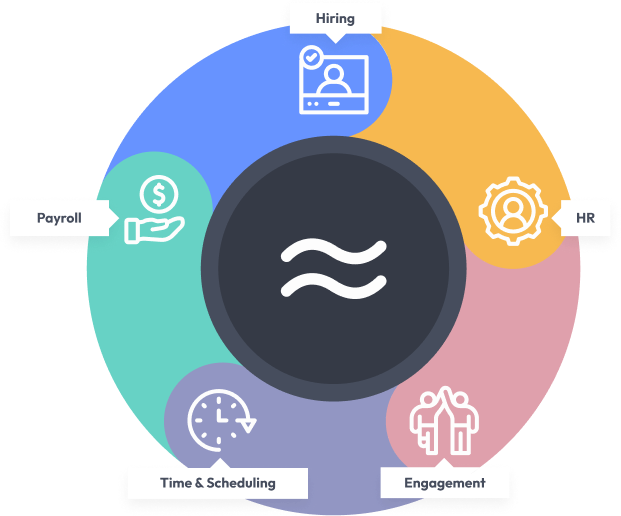

Hiring
Hire better quality workers, faster

HR
Streamline people processes and ensure employee records are always accurate

Engagement
Reduce turnover and increase worker engagement

Time & Scheduling
Manage schedules and hours worked to optimize your labor costs

Payroll
Pay your team quickly, easily, and accurately
resources
Become a hiring and onboarding expert.


Be smart with your hourly workforce
