



How to Hire Appliance Repair Technicians: Building a Reliable Appliance Service Team
Learn how to hire appliance repair technicians who are skilled, reliable, and customer-focused—so your business thrives and your customers stay loyal.

How to Hire Appliance Repair Technicians: Building a Reliable Appliance Service Team
If you run a service business, you know the feeling—one broken fridge, one missed appointment, and suddenly your phone’s ringing off the hook. Hire appliance repair technicians who are skilled, reliable, and customer-friendly, and your headaches shrink. But finding and keeping great appliance repair staff? That’s a whole different ballgame. Let’s break down what it really takes to recruit technicians who’ll keep your customers happy and your business humming.
Understanding the Modern Appliance Repair Hiring Landscape
It’s not just about fixing dishwashers anymore. Today’s appliance service team needs technical know-how, communication chops, and a knack for troubleshooting under pressure. The competition for talent is fierce—turnover rates in the trades can be sky-high, as highlighted in this industry analysis of employee turnover. So, how do you stand out as an employer?
The Cost of Getting It Wrong
Let’s be blunt: hiring the wrong technician costs you more than just a few callbacks. According to research on turnover costs, replacing an hourly worker can cost up to 200% of their annual salary. And in small businesses, that stings. It’s not just about money either—customer trust is on the line every time someone walks into a client’s home.
What Makes a Great Appliance Repair Technician?
- Technical certification: Look for EPA, NATE, or manufacturer-specific training.
- Soft skills: Can they explain repairs without jargon? Are they patient with frustrated customers?
- Reliability: Punctuality and accountability matter as much as wiring diagrams.
- Adaptability: With appliances evolving fast, your team needs to learn on the fly.
For more on defining job requirements, check out these job description resources.
Recruiting Technicians: From Job Postings to Interviews
Crafting Effective Job Ads (and Where to Post Them)
Your job post should do more than list duties—it should sell your company culture. For inspiration, see these job posting examples for hourly workers and creative recruitment ads. Highlight what makes your shop unique—maybe it’s flexible scheduling, or maybe it’s your quirky Friday lunch tradition.
- Use clear titles: “Appliance Repair Technician” beats “Service Hero” (even if you think it sounds cool).
- List must-have certifications and nice-to-haves separately.
- Mention pay range and benefits—transparency builds trust (why salary matters in job ads).
- Share growth opportunities—techs want to know there’s a path forward (retaining hourly workers through advancement).
Don’t forget to leverage platforms like Indeed for hiring hourly workers and even social media—yes, posting jobs on Instagram works.
Sourcing and Screening: Beyond the Resume
If you ask me, resumes only tell half the story. Use digital tools to pre-screen candidates for certifications and experience. Platforms like Workstream’s hiring automation can automate screening questions and schedule interviews via text, saving hours every week.
For more advanced screening, consider skills assessments (pre-employment assessment tools) or scenario-based questions. And don’t underestimate gut instinct—sometimes a candidate’s attitude trumps their years in the field (hire for attitude, train for skill).
The Interview: Finding the Right Fit for Your Appliance Service Team
The interview isn’t just about technical skills—it’s about cultural fit. Ask situational questions (“What would you do if a customer accused you of breaking their washer?”) and look for honesty and problem-solving. For more tips, see these motivational interviewing techniques and cultural fit interview questions.
Onboarding and Retaining Your Appliance Repair Staff
The Importance of a Smooth Onboarding Process
A rocky start can send new hires running. Set up your onboarding process so new techs feel supported from day one. Digital onboarding tools like those from Workstream cut paperwork time from hours to minutes and keep compliance tight. For practical onboarding templates, explore these onboarding templates for new hires.
If you want your new appliance repair specialists to stick around, make sure training is hands-on and ongoing. Check out these onboarding and training best practices for hourly employees.
Reducing Turnover: Why Engagement Matters More Than Ever
High turnover isn’t inevitable. In fact, businesses using modern HR platforms have been shown to cut turnover rates by half. For strategies on reducing churn in skilled trades, read about causes of employee turnover in hospitality and how to fix them.
- Offer flexible schedules: Flexibility is a top driver of retention (the value of flexible scheduling). Tools like Workstream help manage shifts and reduce no-shows by 55%.
- Provide benefits: Even small perks make a difference (impact of benefits on recruitment & retention). Consider instant pay access (how instant pay works for hourly staff) or tuition reimbursement.
- Create growth paths: Promote from within when possible; it boosts morale and loyalty (career management insights).
- Cultivate team culture: Celebrate wins—big or small. A little recognition goes a long way (employee recognition strategies).
Compliance and Recordkeeping: Don’t Skip This!
This is where things get serious—labor laws aren’t suggestions. Every employer must keep accurate records of hours worked and wages paid (DOL recordkeeping requirements). Digital HR systems can help you avoid costly lawsuits—saving up to $25K a year in legal fees isn’t just wishful thinking.
If you’re unsure about labor law compliance or benefits eligibility for part-time staff, check out this guide on part-time hours and benefits eligibility.
The Secret Sauce: Technology & Culture in Appliance Repair Hiring
The Role of HR Tech in Building an Efficient Appliance Service Team
If you’re still juggling paper applications or spreadsheets, honestly, you’re working too hard. Modern HR platforms like Workstream’s all-in-one suite automate everything from job postings to payroll—freeing up hours each week so you can focus on growing your business (or actually taking a lunch break).
The right tech stack lets you:
- Automate candidate screening and scheduling interviews via text message.
- Simplify onboarding with mobile document completion.
- Create shift schedules that reduce overtime and callouts.
- Process payroll accurately for hourly teams.
- Track compliance automatically—no more guessing if your I-9s are up to date.
If you want real-world proof, see how other businesses have streamlined hiring with automation in these case studies: Dunkin' franchisee success story, or learn about the secrets behind Culver’s incredible growth with better hiring processes.
Cultural Fit: The Glue That Keeps Your Team Together
You can teach someone how to fix a dryer—but you can’t teach them to care about your customers. Build a culture where techs feel valued, supported, and part of something bigger than themselves. For more on building strong teams, check out this guide on improving teamwork in the workplace.
If you’re struggling with engagement or morale, don’t ignore it—these issues lead straight to (burnout). Sometimes, all it takes is listening—and maybe throwing in the occasional pizza party (just saying).
A Few Final Thoughts (and Where to Go Next)
Hiring appliance repair technicians isn’t just about plugging holes in your schedule—it’s about building a resilient business that can weather any storm (or surge in broken ice makers).
- Pace yourself: Don’t rush the process—quality beats quantity every time.
- Invest in technology: The right tools save money, time, and sanity.
- Cultivate culture: Happy techs = happy customers = repeat business.
- Stay compliant: A little diligence now prevents big headaches later.
If you’re ready to rethink how you hire repair specialists for your appliance service team—or just want to see what modern HR tech looks like—explore more at Workstream’s platform overview. And remember: the right people will always be your business’s best investment.
Dive Deeper: More Resources You’ll Find Helpful
- Restaurant hiring: What you need to know about hourly roles (applies to appliance repair too!)
- Creative tips for job postings that attract top talent
- 4 factors for high turnover rate in assisted living—and how they relate to appliance repair staff retention
- A guide to HRIS certification for managers looking to level up their HR game
- How Five Guys scaled their workforce (lessons for any service business)
- Best job posting examples for attracting quality hourly workers
- Contact Workstream for personalized hiring support or advice
- Salary vs hourly: Who to hire for your appliance service team?
- 5 Traits of committed employees (and how to spot them early)
- 10 Must-Know Statistics to Inform Your HR Strategy (including turnover data)
- About Workstream: Our mission and approach to new hire onboarding for hourly businesses
- Explore Workstream’s platform features in detail here
- Onboarding templates that work—no matter the size of your team
If you’re still feeling stuck or overwhelmed by the process of hiring appliance repair technicians, remember—you’re not alone. Reach out for guidance or explore more resources at Workstream. Your next great hire could be just a click away.
.svg)


All your important HR tasks under one roof
Today’s business owners and HR teams are overwhelmed with administrative tasks: manual processes and exports, duplicative data entry, and siloed information. Workstream centralizes and simplifies people tasks so you can move fast, reduce labor costs, and simplify operations—all in one place.
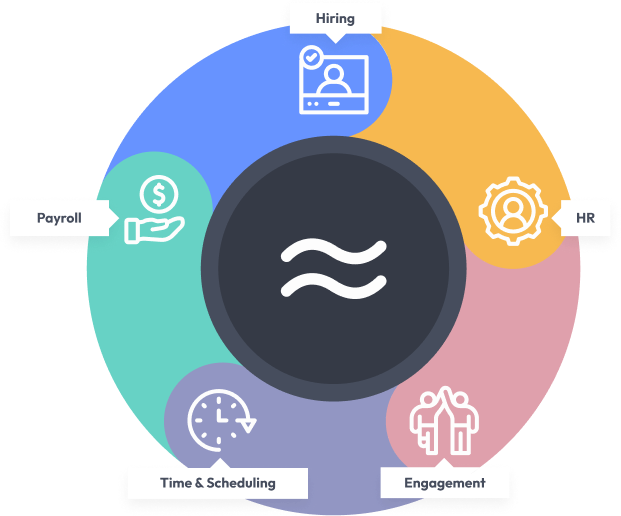

Hiring
Hire better quality workers, faster

HR
Streamline people processes and ensure employee records are always accurate

Engagement
Reduce turnover and increase worker engagement

Time & Scheduling
Manage schedules and hours worked to optimize your labor costs

Payroll
Pay your team quickly, easily, and accurately
resources
Become a hiring and onboarding expert.

Be smart with your hourly workforce
