



How to Hire Auto Mechanics: A Complete Guide for Small Business Owners
Discover proven strategies to hire auto mechanics, recruit top car technicians, and build a reliable auto repair team with Workstream’s all-in-one HR platform.

How to Hire Auto Mechanics: A Practical Guide for Small Business Owners
Why Hiring Auto Mechanics Is Tougher (and More Important) Than Ever
If you ask any shop owner, they'll tell you: to hire auto mechanics today is a whole different ballgame than it was even five years ago. The pool of experienced techs is shrinking, expectations are rising, and customers want their cars fixed yesterday. So how do you recruit automotive mechanics who actually stick around and help your business thrive?
Let me explain. The staffing industry is reporting higher turnover rates in skilled trades, and the cost of hiring the wrong person can be eye-watering. According to some industry estimates, losing a front-line employee costs a restaurateur nearly $6,000 on average—imagine what it is for a certified mechanic! And yet, the right hire can boost your shop’s reputation, customer loyalty, and bottom line.
Honestly, finding auto repair staff who fit your culture and deliver quality work is as much art as science. But with the right approach—and a few modern tools—you can stack the odds in your favor.
The Foundations: What Makes a Great Auto Mechanic Hire?
Skills, Certifications, and the Elusive “Right Fit”
Sure, technical know-how matters. But if you’re only scanning for ASE certifications and years of experience, you might miss out on those hidden gems who learn fast and mesh well with your team. According to Harvard Business Review, hiring for attitude and training for skill can reduce turnover dramatically—something every busy shop could use.
- Technical certifications: Look for ASE or manufacturer-specific certs, but don’t discount on-the-job learners with great references.
- Soft skills: Communication, reliability, and a knack for customer service are just as critical.
- Cultural fit: Does this person work well under pressure? Are they team-oriented? Use cultural fit interview questions to suss this out.
Sometimes the best hires are people who remind you of your most dependable tech—even if their resume isn’t the flashiest.
Job Descriptions That Attract (Not Repel)
Your job ad is your handshake. Make it count! Highlight growth opportunities, benefits (even small perks), and your shop’s unique vibe. For inspiration, check out these job posting examples or get creative with ideas from memorable recruitment ads.
And don’t forget to call out what makes your workplace different—maybe you offer flexible schedules (which, by the way, is a huge retention factor according to Chief Talent Officer) or instant pay access via platforms like Workstream.
The Search: Where—and How—to Find Auto Repair Staff Today
Tapping Into New Talent Pools
Gone are the days when you could just hang a “Help Wanted” sign in the window. To recruit car mechanics who fit your needs:
- Online job boards: Post on niche sites and general platforms. See which free job posting sites bring in the best candidates.
- Social media recruiting: More shops are using Instagram and Facebook. Learn how to hire hourly workers via Instagram.
- Employee referrals: Your current techs know people—offer a bonus for successful referrals!
- Local trade schools: Partner with technical colleges for internships or job fairs.
If you want to see how other industries are handling similar challenges, check out how restaurants are keeping employees happy or how retail is tackling high turnover in this Michelin Guide article.
Screening and Interviewing: Don’t Skip the Human Touch
Automated screening tools (like those built into Workstream’s hiring automation suite) can save hours per week by filtering out unqualified applicants. But at some point, you need to talk—really talk—to candidates.
- Use scenario-based questions: “What would you do if a customer disputes a repair bill?”
- Assess problem-solving skills with real-world examples.
- Dive into their work ethic with tips from our motivational interviewing guide.
If you’re not sure what to ask, our creative job posting tips can help you stand out and attract more engaged applicants.
The Offer: Onboarding, Compliance & Retention—It’s Not Over When They Say Yes
Smooth Onboarding Is Your Secret Weapon
The first week can make or break a new hire’s loyalty. Streamlined digital onboarding—like what’s available through Workstream’s platform—reduces paperwork headaches and gets techs turning wrenches faster. For more onboarding inspiration, see these onboarding templates or read up on why onboarding matters in this Capterra guide.
Compliance: Don’t Let Paperwork Trip You Up
I know—compliance isn’t anyone’s favorite topic. But keeping proper records is non-negotiable. The U.S. Department of Labor has a handy list of what you need to track for each employee (see here). Digital HR solutions like Workstream can help automate much of this so you don’t end up buried in files—or worse, fined for missing documentation.
Retention: Keeping Great Techs Happy (and Employed)
The real magic happens after the hire. To reduce turnover and keep your team engaged:
- Offer competitive pay and benefits: Even small perks make a difference. See how benefits impact hiring in this DoorDash report.
- Create clear paths for advancement: Mechanics want to grow—don’t make them guess how.
- Be flexible where you can: Flexible scheduling is a top reason techs stay (or leave). Learn more about why in this piece from Chief Talent Officer.
- Cultivate a positive workplace culture: Job satisfaction directly impacts turnover (see this study). Celebrate milestones and recognize hard work—sometimes a simple “thank you” goes further than you think.
If you’re struggling with high turnover, check out our guide to factors that drive turnover rates, which applies just as much to auto shops as it does to assisted living facilities.
The Modern Solution: Why Hourly HR Tech Matters Now More Than Ever
The Case for Smarter Hiring Automation
You’re busy—really busy. Between managing repairs, customers, and payroll, who has time to chase down paperwork or schedule interviews? Platforms like Workstream’s hiring automation suite let you post jobs across dozens of sites, screen candidates with AI-powered tools, and schedule interviews—all from your phone. Shops using these tools have reported cutting time-to-hire in half and reducing turnover by up to 50%.
The Bottom Line: Save Time, Money, and Sanity
If you’re still juggling seven different apps for hiring, onboarding, scheduling, and payroll… well, there’s a better way. Workstream’s all-in-one platform replaces multiple tools (saving thousands per year) and keeps your data organized and compliant. That means fewer headaches—and more time to focus on what really matters: building relationships with your team and customers.
A Few Final Thoughts (and Where to Go Next)
Hiring auto mechanics will always be part science, part gut instinct. But with the right approach—and some smart tech—you can recruit automotive mechanics who’ll help your business thrive for years to come.
If you’re ready to take your hiring game up a notch, explore how Workstream helps businesses like yours find the right talent fast on our auto mechanic hiring page. Or browse our latest tips on recruiting hourly workers in our restaurant hiring guide, because sometimes the best ideas come from outside your own industry.
- Learn more about Workstream hiring automation
- See job posting examples that attract quality candidates
- Get creative tips for standout job postings
- Discover how Workstream streamlines onboarding for hourly staff
- Contact Workstream for tailored advice or support
This article does not constitute legal advice; consult an employment attorney or compliance expert regarding specific regulatory requirements in your state or municipality.
.svg)


All your important HR tasks under one roof
Today’s business owners and HR teams are overwhelmed with administrative tasks: manual processes and exports, duplicative data entry, and siloed information. Workstream centralizes and simplifies people tasks so you can move fast, reduce labor costs, and simplify operations—all in one place.
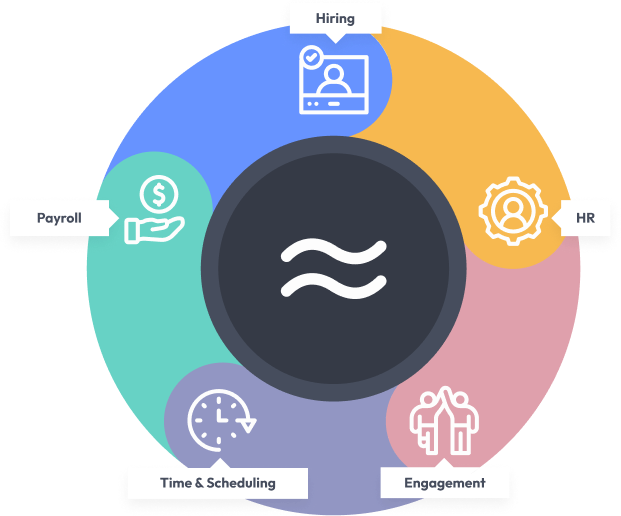

Hiring
Hire better quality workers, faster

HR
Streamline people processes and ensure employee records are always accurate

Engagement
Reduce turnover and increase worker engagement

Time & Scheduling
Manage schedules and hours worked to optimize your labor costs

Payroll
Pay your team quickly, easily, and accurately
resources
Become a hiring and onboarding expert.

Be smart with your hourly workforce
