



How to Hire Wood Finishers: Proven Steps to Find and Recruit Top Talent for Your Business
Discover expert strategies to hire wood finishers, streamline your recruitment process, and attract skilled candidates for your restaurant’s unique finishing needs.

How to Hire Wood Finishers: A Practical Guide for Small Business Owners
If you've ever run your hand over a perfectly finished wooden surface—smooth as silk, no splinters, just a subtle sheen—you know the magic a skilled wood finisher brings. But how do you hire wood finishers who can deliver that kind of quality, especially when the clock is ticking and your project list keeps growing? Let me walk you through what matters, what to watch out for, and how to make your next hire a success, whether you’re running a custom cabinetry shop, a restaurant in need of a refresh, or a franchise scaling up fast.
Why Great Wood Finishers Are Worth Their Weight in Gold
Honestly, finding skilled finishers isn’t just about aesthetics—it’s about your reputation. The final touch on your product is what your customer sees and remembers. If you ask me, a good wood finisher is like the closer in baseball: they make sure you win the game. But with turnover rates in skilled trades on the rise, it’s more important than ever to recruit finish carpenters who stick around and take pride in their work.
Understanding the Role: What Makes a Wood Finisher Stand Out?
- Technical Skill: From sanding to staining to sealing, a finisher needs a steady hand and an eye for detail. If you want to write a clear job description, call out the need for experience with both hand and power tools, as well as knowledge of different wood types and finishes.
- Problem-Solving: Every piece of wood is unique. A great finisher knows how to adjust for knots, grain, and color variations—kind of like a chef adapting a recipe on the fly.
- Reliability: Deadlines matter. If you’re running a restaurant remodel or prepping for a grand opening, you need someone who shows up and gets the job done right the first time.
Where to Find Skilled Finishers (and How to Attract the Best)
Let’s be real: posting a generic job ad and hoping for the best doesn’t cut it anymore. Today’s finish carpenters and wood staining professionals are in high demand, and they know it. So, how do you stand out?
Crafting the Right Job Posting
- Be Specific: Detail the types of projects, finishes, and tools involved. Check out these job posting examples to see what works for hourly and skilled trades.
- Highlight Perks: According to DoorDash research, benefits and flexibility can be game-changers for recruitment and retention—even in hands-on roles like finishing.
- Showcase Your Culture: People want to work where they feel valued. If you’re using a platform like Workstream, you can automate the process and still add those personal touches that make your business unique.
Smart Sourcing: Go Beyond the Basics
- Tap Into Referrals: Your current team probably knows other pros. Incentivize referrals and you’ll often find candidates who fit your culture.
- Leverage Tech: Platforms like Workstream let you post to multiple boards (think Indeed, Craigslist, and more) with one click, saving you time and hassle.
- Social Media & Local Groups: Sometimes, the best finishers aren’t actively job hunting. Posting in local woodworking or trade groups can help you reach passive talent.
Screening and Interviewing: Separating the Pros from the Pretenders
So, you’ve got a stack of resumes. Now what? Here’s where a little structure—and a bit of gut instinct—goes a long way.
What to Look For in a Resume or Application
- Relevant Experience: Look for specific mention of finishing, staining, sealing, and restoration work. A candidate who’s only done rough carpentry may not be the best fit.
- Portfolio or Work Samples: Ask for photos or references. A picture really is worth a thousand words in this trade.
- Certifications or Training: While not always required, formal training can signal commitment and skill. Learn more about the value of certifications in skilled trades.
Interview Tips: Get Beyond the Script
- Ask about a time they salvaged a project that went sideways. You want problem solvers, not just rule followers.
- Give them a practical test—maybe a small finishing task in your shop. It’s the best way to see their skills in action. For more on this, check out motivational interviewing techniques.
- Discuss your expectations for quality and timelines. Clear communication up front saves headaches down the road.
Onboarding and Retention: Keeping Your Finishers Happy (and Productive)
Here’s the thing: hiring is only half the battle. Keeping your new wood finishers engaged and motivated is just as important, especially when turnover can cost you big time. According to industry research, losing a skilled worker can set you back thousands in lost productivity and retraining costs.
Set Them Up for Success
- Use a structured onboarding process. Consider digital tools like these onboarding templates to get new hires up to speed quickly.
- Provide clear documentation—think safety protocols, finishing standards, and workflow checklists. For inspiration, see how restaurants document operations for consistency.
- Offer ongoing training. Even the best finishers can benefit from learning new techniques or tools.
Retention: What Makes Finishers Stay?
- Recognition: Everyone wants to feel appreciated. A simple thank you or shout-out goes a long way, as employee recognition research shows.
- Growth Opportunities: Can you offer leadership roles or specialized projects? Ambitious finishers want to see a future with your business.
- Competitive Pay and Benefits: Don’t forget to benchmark your pay rates. See how other companies pay their hourly workers to stay competitive.
Compliance and Legal Considerations (Don’t Skip This!)
Let’s be honest, paperwork isn’t anyone’s favorite part of the job. But keeping your records straight is non-negotiable. The Department of Labor requires accurate recordkeeping for all employees, including hours worked and wages paid. Digital HR tools like Workstream’s platform can help you stay organized and compliant—saving you from costly mistakes down the line.
And don’t forget safety. OSHA regulations apply to woodworking shops, so make sure your onboarding covers the basics and that your finishers know how to handle stains, solvents, and equipment safely. If you’re unsure, consult an HR or legal pro for guidance. (Disclaimer: This article is for informational purposes only and does not constitute legal advice.)
Conclusion: Set Your Business Up for Success
Hiring wood finishers isn’t just about filling a spot on your roster—it’s about protecting your brand, delivering quality for your customers, and building a team you can count on. By being intentional about your job postings, leveraging tech like Workstream to streamline hiring, and focusing on onboarding and retention, you’ll not only find woodworking experts but keep them for the long haul.
Ready to make your next hire? Check out these additional resources for more tips and inspiration:
.svg)


All your important HR tasks under one roof
Today’s business owners and HR teams are overwhelmed with administrative tasks: manual processes and exports, duplicative data entry, and siloed information. Workstream centralizes and simplifies people tasks so you can move fast, reduce labor costs, and simplify operations—all in one place.
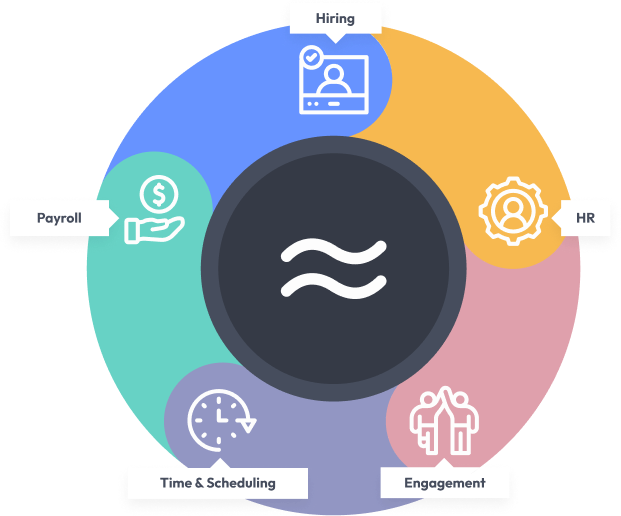

Hiring
Hire better quality workers, faster

HR
Streamline people processes and ensure employee records are always accurate

Engagement
Reduce turnover and increase worker engagement

Time & Scheduling
Manage schedules and hours worked to optimize your labor costs

Payroll
Pay your team quickly, easily, and accurately
resources
Become a hiring and onboarding expert.



Be smart with your hourly workforce
