



How to Hire Audio Video Technicians: A Practical Guide for Small Businesses
Find, hire, and retain the right audio video technicians to ensure seamless sound and visuals for your restaurant, franchise, or small business.

How to Hire Audio Video Technicians: A Practical Guide for Small Businesses
If you run a restaurant, franchise, or any business where seamless sound and visuals matter, you know that finding the right person to handle your tech can make or break a customer’s experience. But how do you hire audio video technicians who are reliable, skilled, and a good fit for your team? Let’s break it down together—no jargon overload, just real talk and actionable steps.
Why Hiring AV Technicians Isn’t Like Hiring Just Anyone
Let’s be honest: audio visual staff are a breed of their own. They’re part tech wizard, part firefighter (ever seen someone fix a blown speaker mid-event?), and part customer service rep. The stakes are high—one wrong cable and your big night turns into an awkward silence. If you ask me, that’s pressure most folks don’t see coming.
Before you post that job ad, consider what makes this role unique:
- Technical know-how: Can they troubleshoot under stress? Do they know their way around both analog and digital systems?
- Communication skills: Will they explain tech issues in plain English to your team?
- Flexibility: AV emergencies don’t follow a 9-to-5 schedule.
And here’s the kicker: turnover in hospitality and hourly roles is notoriously high. According to Michelin Guide, high employee turnover can cripple your operations. So, when you recruit audio video technicians, you’re not just filling a seat—you’re investing in stability.
The Step-by-Step: How to Hire Audio Video Technicians Who Stick Around
1. Nail Down the Job Description (Don’t Wing It!)
If your job post is vague, expect a flood of unqualified resumes. Use resources like these job description tips to clarify what you need—think certifications, years of experience, and the specific gear they’ll handle.
Highlight perks and flexibility too; as Chief points out, schedule flexibility is a top driver of retention for hourly workers.
- Specify must-have skills (e.g., live event support, troubleshooting projectors)
- Mention any required certifications or safety training
- Describe your workplace culture—are you a fast-paced venue or a chill café?
For more on writing compelling job ads, check out these job posting examples.
2. Source Candidates Where They Actually Hang Out
Honestly, posting on generic job boards is like shouting into the void. Consider platforms tailored to hourly and technical workers—think Indeed, Craigslist (but do it right with these Craigslist posting tips), or even Instagram (here’s how to use Instagram for hiring).
Don’t forget referrals—your current team might know someone perfect for the gig. For more creative sourcing strategies, see this guide on proactive candidate sourcing.
3. Screen for More Than Just Tech Skills
Sure, you want someone who can run cables and set up microphones, but soft skills matter too. Ask questions that reveal how they handle pressure, communicate with non-techies, and adapt to last-minute changes. Try using proven motivational interviewing techniques or these cultural fit interview questions.
If you want to speed up screening and cut down on no-shows (who doesn’t?), consider using an automated platform like Workstream’s hiring automation tools. They can help you save hours per week and keep candidates engaged with text reminders.
4. Onboard Like You Mean It
The first few days set the tone for your new hire’s entire tenure. Don’t just toss them a manual and hope for the best. Use digital onboarding templates (like these) to streamline paperwork and training.
If you want to see how onboarding impacts long-term success, check out these onboarding best practices for hourly employees.
The Hidden Costs of Getting It Wrong (And How to Avoid Them)
I won’t sugarcoat it: bad hires are expensive. According to Notch Financial, losing a frontline employee can cost thousands in lost productivity and training. And in AV roles, mistakes are often public—think dead air during a wedding toast or feedback screeching through your speakers at brunch.
- Turnover drains your budget: Replacing staff eats up time and money (see real numbers here).
- Poor onboarding = poor performance: Employees who aren’t properly trained are more likely to leave (learn why here).
- Compliance headaches: AV work sometimes overlaps with safety regulations. For recordkeeping rules, see Department of Labor guidelines.
The good news? By automating admin tasks with tools like Workstream’s platform, you can reduce turnover by half and save thousands on HR costs each year.
Retention: Keeping Your Audio Visual Staff Happy for the Long Haul
The Secret Sauce: Flexibility, Recognition, and Growth
You’ve hired a great AV tech—now how do you keep them from jumping ship? Turns out, it’s not always about pay (though that helps). Workers crave respect, fair schedules, and opportunities to learn new skills. As this Fortune article explains, removing unnecessary barriers and offering growth paths can boost loyalty.
- Offer flexible shifts: Use smart scheduling tools (like this template) to accommodate their lives outside work.
- Recognize achievements: Celebrate milestones—big or small (here’s how to mark work anniversaries).
- Create a culture of learning: Encourage cross-training or certifications; see what keeps young workers engaged in this Harvard Business Review piece.
- Provide instant pay access: Learn how instant pay options can increase retention in this guide on instant pay access for hourly workers.
A Few Pitfalls to Dodge When You Employ Audiovisual Technicians
No one gets it perfect every time—but some mistakes are totally avoidable:
- Poor communication: Don’t assume your AV tech knows what’s expected—set clear goals (SMART goals work even outside restaurants).
- Lack of feedback: Regular check-ins matter; even a quick “good job” goes a long way (see why gratitude matters here).
- No room for advancement: If there’s nowhere to grow, your best people will leave (DoorDash shares data on benefits and retention here).
- Inefficient HR processes: Manual scheduling or onboarding slows everyone down; automation is your friend (see Workstream’s HR suite for details).
The Bottom Line: Smart Hiring Is Smart Business
If you want your events to run smoothly—or just want music in your dining room without the occasional “pop” from the speakers—you need to hire AV technicians who are both skilled and invested in your business. That means clear job descriptions, thoughtful screening, strong onboarding, and ongoing support.
If you’re ready to make hiring easier (and honestly, who isn’t?), platforms like Workstream can automate the heavy lifting—from screening applicants to scheduling interviews and managing compliance. You’ll save time, cut costs, and maybe even enjoy your next event instead of sweating over the soundboard.
Further Reading & Resources from Workstream
.svg)


All your important HR tasks under one roof
Today’s business owners and HR teams are overwhelmed with administrative tasks: manual processes and exports, duplicative data entry, and siloed information. Workstream centralizes and simplifies people tasks so you can move fast, reduce labor costs, and simplify operations—all in one place.
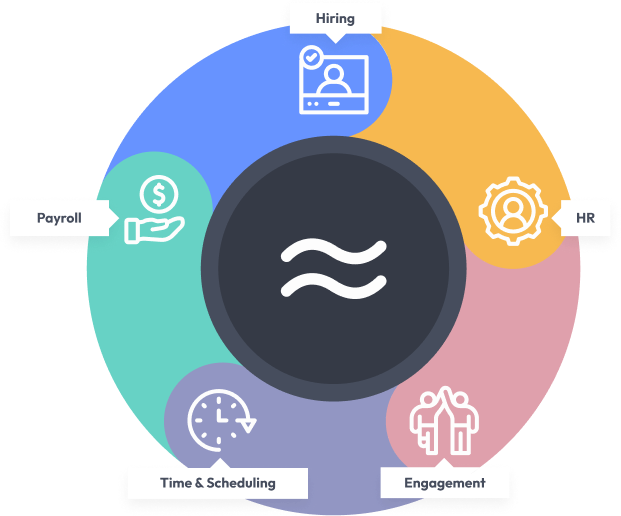

Hiring
Hire better quality workers, faster

HR
Streamline people processes and ensure employee records are always accurate

Engagement
Reduce turnover and increase worker engagement

Time & Scheduling
Manage schedules and hours worked to optimize your labor costs

Payroll
Pay your team quickly, easily, and accurately
resources
Become a hiring and onboarding expert.



Be smart with your hourly workforce
