



How to Hire Supply Chain Managers: Expert Tips to Find, Interview, and Retain Top Talent
Learn how to hire supply chain managers efficiently with our step-by-step guide, covering sourcing, interviewing, and onboarding top talent for your restaurant’s success.

How to Hire Supply Chain Managers: A Practical Guide for Small Business Owners
Let’s be honest—if you’re running a restaurant group, a franchise, or any business with moving parts, finding and keeping the right supply chain manager can feel like searching for a needle in a haystack. Yet, with the right strategy, you can hire supply chain managers who keep your business humming, your shelves stocked, and your headaches to a minimum. So, what’s the secret sauce? Let’s break it down—no jargon, just real talk and proven tactics.
The Supply Chain Manager: Your Business’s Unsung Hero
Before you even start the hiring process, it helps to know what you’re looking for. Supply chain managers are the conductors of your business orchestra, making sure every piece—procurement, logistics, inventory, and delivery—plays in tune. If you’ve ever run out of key ingredients or missed a delivery window, you know just how vital this role is.
Key Skills and Qualities to Look For
- Analytical thinking: Can they spot inefficiencies and fix them?
- Communication: Are they clear with vendors, drivers, and your team?
- Adaptability: Can they pivot when the unexpected happens—because it will?
- Tech savvy: Do they know their way around inventory software and digital tools?
- Leadership: Can they motivate and manage teams under pressure?
Honestly, finding someone with all these qualities is like hitting the jackpot. But don’t worry—there are ways to make your luck a little better.
Supply Chain Management Recruitment: Where to Start?
If you ask me, the first step in supply chain management recruitment is getting your job description right. It’s not just about listing duties—it’s about selling the opportunity. Highlight growth, stability, and the impact they’ll have on your business. For inspiration, check out these job posting examples that attract top hourly talent.
Where to Find Supply Chain Talent
- Industry job boards and staffing agencies
- Networking events and industry groups
- Internal promotions—sometimes your next manager is already on your team
- Social media platforms like LinkedIn and even Instagram (yes, really—see how to use Instagram for hiring)
Don’t underestimate the power of a good referral. Word-of-mouth is still king in the supply chain world, especially in tight-knit communities.
Screening and Interviewing: Go Beyond the Resume
Resumes are great, but they don’t tell the whole story. Use motivational interviewing techniques and cultural fit questions to dig deeper. Ask about real-world scenarios—what would they do if a shipment is delayed or a supplier falls through? Their answers will reveal more than any credential ever could.
Hire Logistics Managers: Tools and Tech That Make It Easier
Here’s the thing: the right tech can make hiring logistics managers a whole lot less stressful. Platforms like Workstream streamline everything from job posting to onboarding. With automated screening, text-based communication, and digital document management, you’ll cut your time-to-hire in half—no exaggeration.
And let’s not forget compliance. The last thing you want is to get tripped up by labor laws or recordkeeping requirements. For a quick refresher, the Department of Labor outlines what you need to track for each employee. Digital HR platforms help you stay organized and avoid costly mistakes—saving you up to $25K a year on lawsuits and fees, according to industry data.
Supply Chain Staffing: Avoiding Common Pitfalls
- Don’t rush: The cost of a bad hire is steep—think lost time, morale dips, and even customer complaints. Get it right the first time.
- Watch for burnout: Supply chain roles are demanding. Use scheduling tools (like 24-hour schedule templates) to keep workloads manageable.
- Offer competitive pay and benefits: Top talent knows their worth. For insights on pay trends, see how top companies compensate hourly workers.
- Focus on onboarding: A smooth start sets the tone. Use onboarding templates to ensure nothing falls through the cracks.
Retention matters just as much as recruitment. High turnover in supply chain roles can cost you big—sometimes up to 200% of an employee’s annual salary, according to Harvard Business Review. So, don’t just hire—invest in keeping your talent engaged and happy.
Find Supply Chain Talent: The Secret Ingredient
Now, let’s talk about the real secret: building a reputation as a great place to work. If your business is known for treating people well, word gets out. Offer flexibility, growth opportunities, and a supportive culture. The impact of benefits on recruitment and retention is huge—just ask any successful restaurant owner.
Curious about how other businesses are tackling supply chain staffing? Dive into the causes of high turnover and the real cost of employee turnover in hospitality. Learning from others’ mistakes is sometimes the best shortcut to success.
Leverage Data and Analytics
Don’t just rely on gut feelings. Use analytics to track your hiring funnel, time-to-fill, and turnover rates. Platforms like Workstream can help you turn data into actionable insights, so you’re always improving your process.
Conclusion: Hiring Supply Chain Managers Doesn’t Have to Be a Headache
If you’re still feeling overwhelmed, you’re not alone. But with a clear plan, the right tools, and a focus on people—not just paperwork—you can hire supply chain managers who will help your business thrive. Remember, every great supply chain starts with a great manager. And every great manager starts with a business owner who knows how to spot and support talent.
Ready to take your supply chain hiring to the next level? Explore more about hiring automation, restaurant hiring strategies, and onboarding best practices at Workstream. Or, if you’re curious about how leading franchises like Five Guys and Dunkin’ grew their teams, we’ve got you covered there too. Happy hiring!
.svg)


All your important HR tasks under one roof
Today’s business owners and HR teams are overwhelmed with administrative tasks: manual processes and exports, duplicative data entry, and siloed information. Workstream centralizes and simplifies people tasks so you can move fast, reduce labor costs, and simplify operations—all in one place.
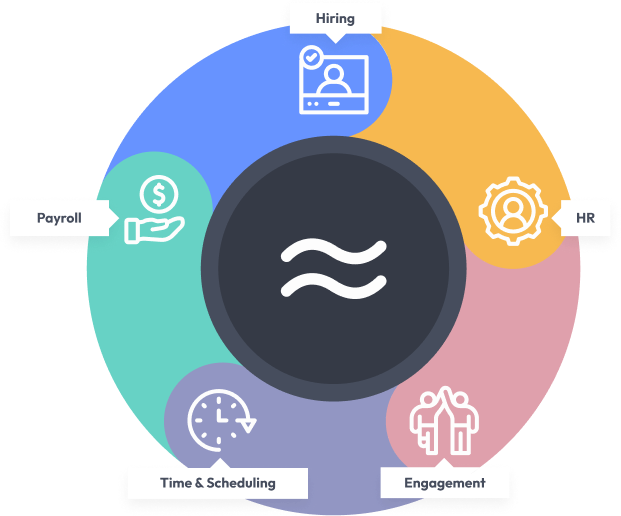

Hiring
Hire better quality workers, faster

HR
Streamline people processes and ensure employee records are always accurate

Engagement
Reduce turnover and increase worker engagement

Time & Scheduling
Manage schedules and hours worked to optimize your labor costs

Payroll
Pay your team quickly, easily, and accurately
resources
Become a hiring and onboarding expert.

Be smart with your hourly workforce
