



How to Hire Truck Drivers: A Step-by-Step Guide for Small Business Owners
Learn effective strategies to hire truck drivers, attract top talent, and streamline your recruitment process for small businesses in the transportation industry.

How to Hire Truck Drivers: The Roadmap for Small Businesses
Finding reliable, skilled truck drivers isn’t just about filling seats behind the wheel—it’s about keeping your business rolling, your customers happy, and your costs in check. If you’re a franchisee, restaurant owner, or anyone who needs to hire truck drivers or hire delivery drivers, you already know the struggle is real. But what if the process could be smoother, faster, and—dare I say—almost enjoyable? Let’s talk shop about the best ways to recruit, onboard, and retain top driving talent, with a few helpful detours along the way.
Understanding the Truck Driver Hiring Landscape
The Demand for Drivers is Shifting Gears
With supply chain disruptions and a surge in delivery demand, the need to hire truck drivers has never been higher. But here’s the kicker—according to the American Staffing Association, the staffing industry is running at full throttle, and trucking is right at the center of it. Whether you’re looking to recruit truck drivers for local deliveries or long hauls, competition is fierce.
And let’s be honest, the old-school “help wanted” sign just doesn’t cut it anymore. Digital recruiting strategies and mobile-first platforms are now the standard, not the exception.
What Makes a Great Truck Driver?
Beyond a clean driving record and the right certifications, today’s drivers want more than just a paycheck. They’re looking for flexibility, respect, and a sense of belonging. According to Fortune, perks like instant pay access and clear paths for advancement can make your offer stand out. If you ask me, treating drivers like partners instead of just employees is the real secret sauce.
Recruiting and Attracting Top Truck Driver Talent
Where Are the Drivers? Meeting Them Where They Are
Let’s face it—most drivers aren’t hanging out on LinkedIn. They’re on Facebook, checking job boards, or responding to text messages. That’s why using a hiring automation platform that supports text-based communication can be a game-changer. It’s not just about speed; it’s about meeting candidates where they already spend their time.
- Craft creative job postings that highlight pay, benefits, and flexibility.
- Feature perks like instant pay access or predictable schedules.
- Use job boards like Indeed and Craigslist for maximum reach.
- Tap into proactive candidate sourcing methods to get ahead of the competition.
And don’t forget: calling out benefits in your job descriptions isn’t just nice—it’s essential. According to DoorDash’s research, benefits are a top driver for both recruitment and retention in the hourly workforce.
Screening and Interviewing: More Than a Test Drive
Screening candidates for your truck driver staffing needs goes beyond checking licenses. You want to assess reliability, communication skills, and cultural fit. Try using motivational interviewing techniques and cultural fit interview questions to dig deeper. And hey, with AI-powered screening tools, you can save hours each week—Workstream’s platform, for instance, can shave three hours off your weekly screening time per location.
Onboarding and Compliance: Keeping It Smooth and Legal
The Fast Lane: Onboarding That Works
Onboarding can be a pain, but it doesn’t have to be. Digital onboarding templates and mobile document completion can reduce onboarding time from hours to minutes. That’s not just a win for you—it’s a win for your new hires, too. And if you’re worried about compliance (who isn’t?), platforms like Workstream have built-in tools to help you stay on the right side of the law.
For the nitty-gritty on wage and hour recordkeeping, check out the U.S. Department of Labor’s guidelines. Trust me, you don’t want to get caught off guard by a missing document or a compliance misstep—those fines add up fast.
Compliance Tips and Common Pitfalls
- Keep thorough records of hours, pay, and certifications.
- Stay up-to-date on labor laws and employment regulations.
- Automate reminders for expiring licenses and background checks.
- Use scheduling templates to avoid overtime headaches.
Disclaimer: This article provides general information, not legal advice. For specific compliance questions, consult a labor attorney or HR specialist.
Retention: Keeping Your Drivers Happy (and on Your Team)
Why Drivers Leave—And How to Make Them Stay
High turnover is a budget-buster. According to industry research, losing a single front-line employee can cost thousands. But here’s the thing: drivers often leave because of poor communication, unpredictable schedules, or lack of respect. Turnover is a huge issue in hospitality and logistics alike.
So, how do you keep your best drivers from jumping ship?
- Offer benefits packages that matter—think healthcare, paid time off, and flexible scheduling.
- Foster engagement with communication tools and regular feedback.
- Recognize milestones and celebrate achievements—sometimes, a simple “thank you” goes a long way. For inspiration, check out this guide to work anniversaries.
- Invest in great managers who build trust and respect.
And don’t underestimate the impact of a positive workplace culture. According to recent studies, job satisfaction is closely tied to retention—especially for younger workers. If you’re not sure where to start, look for these traits in your team.
Leveraging Technology for Truck Driver Recruitment and Management
Why Automation and Mobile-First Tools Matter
Let’s be real—manual processes are a recipe for burnout. Automating your truck driver recruitment and management with a platform like Workstream can help you:
- Reduce time-to-hire by half (seriously, half!)
- Cut labor costs by up to $30K a year by replacing multiple tools with one
- Slash turnover rates by 50% with better engagement and scheduling
- Stay compliant and avoid costly mistakes
It’s like trading in a rusty old pickup for a brand-new, fully loaded rig—suddenly, everything just works better.
Real-World Success Stories
Don’t just take my word for it. See how franchisees and small business owners are using Workstream’s hiring automation to improve applicant experience and retention. Or, for a peek into how big brands manage their hourly workforce, check out how Walmart transformed its hourly workforce.
Conclusion: Your Roadmap to Truck Driver Staffing Success
Hiring and keeping great truck drivers isn’t rocket science, but it does require a thoughtful approach. From crafting the right job post to streamlining onboarding and building a culture of respect, every step counts. And honestly, with the right technology—like Workstream’s all-in-one HR and payroll platform—you can put your hiring on cruise control and focus on what really matters: growing your business and serving your customers.
Ready to fill those driver seats and keep your wheels turning? Start by finding qualified truck dispatchers or exploring hourly workers for hire today. And remember, the journey is just as important as the destination—so make it a good one.
Related Resources from Workstream
- Learn more about hiring automation for hourly roles.
- Explore creative job posting tips for better recruitment.
- Discover onboarding templates for a smooth new hire experience.
- Find out how Dunkin’ franchisees improved hiring with Workstream.
- See how Walmart transformed its hourly workforce with technology.
.svg)


All your important HR tasks under one roof
Today’s business owners and HR teams are overwhelmed with administrative tasks: manual processes and exports, duplicative data entry, and siloed information. Workstream centralizes and simplifies people tasks so you can move fast, reduce labor costs, and simplify operations—all in one place.
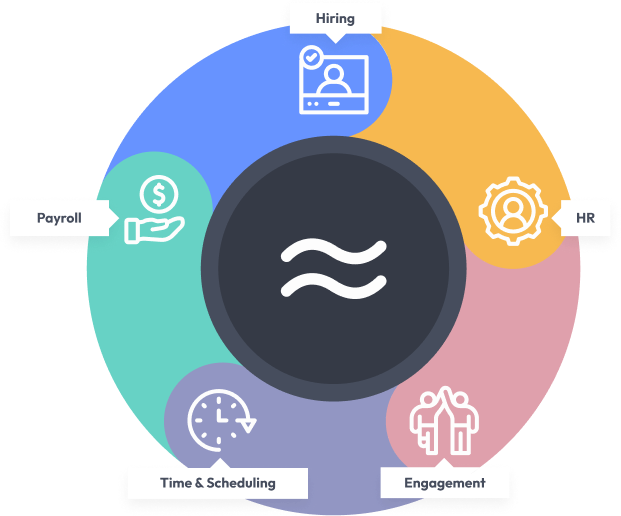

Hiring
Hire better quality workers, faster

HR
Streamline people processes and ensure employee records are always accurate

Engagement
Reduce turnover and increase worker engagement

Time & Scheduling
Manage schedules and hours worked to optimize your labor costs

Payroll
Pay your team quickly, easily, and accurately
resources
Become a hiring and onboarding expert.

Be smart with your hourly workforce
