



How to Hire Cocktail Waitress Staff Efficiently: Tips for Streamlined Recruitment
Streamline how you hire cocktail waitress staff with Workstream’s mobile-first platform—making it easy to find, recruit, and onboard top cocktail servers quickly and compliantly.

How to Hire Cocktail Waitress Staff: A Practical Guide for Restaurant Owners
If you run a bar, lounge, or restaurant, you know that hiring the right cocktail waitress can make or break the guest experience. But let’s be honest—finding and keeping great cocktail staff isn’t as simple as posting a job and hoping for the best. The stakes are high, and turnover is costly. So, how do you actually hire cocktail waitress talent that fits your vibe, delights your guests, and sticks around? Let me explain.
Why Hiring Cocktail Waitresses Is Different (and Why It Matters)
It’s not just about carrying trays and remembering drink orders. The best cocktail servers are part entertainer, part diplomat, part memory champion. They’re the face of your brand on a Friday night rush. If you ask me, hiring for this role requires a mix of intuition, process, and—yes—a little bit of luck.
But here’s the thing: turnover in hospitality is notoriously high. According to industry reports, replacing just one front-line employee can cost a restaurateur nearly $6,000. That’s not pocket change! If you want to reduce costs and improve guest satisfaction, you need a recruitment process that works.
The High Cost of Turnover
- Lost productivity and training time
- Lower morale among remaining staff
- Potential dips in customer service and reviews
Want to dig deeper into the numbers? Check out this breakdown of employee turnover costs and how it impacts your bottom line.
Step-by-Step: How to Hire Cocktail Waitress Talent That Sticks
1. Nail Your Job Description (It’s More Than Just “Must Carry Trays”)
If you want to find cocktail staff who fit your culture, start with a clear, honest job description. Spell out the expectations, physical demands, and personality traits you value. Be upfront about pay structure, shifts, and any perks—transparency attracts better candidates.
- Highlight growth opportunities and training support (see what makes restaurant employees happy)
- Mention flexible scheduling if you offer it—this is huge for today’s workforce (why flexibility matters)
- Use language that reflects your brand’s personality
For more inspiration, browse these job posting examples designed for hourly workers.
2. Source Candidates Where They Actually Are
Your next star cocktail waitress probably isn’t lurking on LinkedIn—they’re scrolling Instagram or checking Craigslist between shifts. Get creative with your sourcing:
- Post openings on Instagram and encourage current staff to share
- Leverage free job boards—here are 11 free sites worth trying
- Don’t ignore Craigslist—just use these Craigslist job posting tips
- Consider text-based application workflows to speed things up (see how hiring automation helps)
3. Screen for Personality and Culture Fit (Not Just Experience)
Let’s be real: experience matters, but attitude is everything. Some of the best cocktail servers started with zero experience but had the right energy and willingness to learn. Use behavioral interview questions to spot standouts:
- Ask cultural fit interview questions tailored to hospitality
- Try motivational interviewing techniques—here’s a guide to help you get started
- Consider using the STAR method (see how it works for interviews)
4. Move Fast—But Don’t Skip Steps
The best candidates get snatched up quickly. Automate interview scheduling and screening wherever possible (Workstream’s platform can help here). But don’t skip reference checks or trial shifts—they’re your safety net.
If you want more tips on making your hiring process efficient, check out this advice on hiring and onboarding do’s and don’ts.
Cocktail Waitress Recruitment: Compliance, Onboarding & Retention
Legal Stuff You Can’t Ignore (Disclaimer!)
Disclaimer: This isn’t legal advice—always consult an employment attorney in your state for specifics!
- Follow wage and hour laws—see official guidance from the U.S. Department of Labor on recordkeeping
- Understand tip pooling rules and minimum wage requirements (hourly wage insights here)
- Create clear job descriptions (how to write effective job descriptions)
- Document training and onboarding (effective training session tips here)
Onboarding: Set Up New Hires for Success (and Reduce Turnover)
A rushed or confusing onboarding process is a recipe for early exits. Invest in a structured plan:
- Use onboarding templates to streamline paperwork and training
- Pair new hires with experienced staff for shadow shifts (employee onboarding stats show this works!)
- Communicate expectations clearly—don’t leave them guessing (how to solve communication problems in retail/hospitality teams)
Retention: Keep Your Best Cocktail Servers Happy (So They Stay!)
If you’re tired of constant turnover, focus on what actually keeps people around:
- Fair pay and perks: Learn how benefits impact recruitment and retention in restaurants (DoorDash report here)
- Recognition: Celebrate milestones—here’s a guide on work anniversaries that boost morale
- Consistent scheduling: Unpredictable shifts drive people away; see how tech can help with scheduling (Gap’s approach explained here)
- Cultural connection: Foster teamwork—these teamwork improvement ideas work in restaurants too
- Growth opportunities: Promote from within when possible (the real cost of turnover includes lost potential leaders!)
The Role of Technology in Modern Cocktail Waitress Recruitment
The old “help wanted” sign just doesn’t cut it anymore. If you want to recruit cocktail waitress staff efficiently—and keep them—you need tools that simplify every step.
- Automated screening & scheduling: Save hours per week using mobile-first HR tools (Workstream’s hiring platform overview here)
- Digital onboarding: Cut onboarding time from hours to minutes—seriously! (learn how digital onboarding works at Workstream)
- Integrated payroll & compliance: Avoid costly mistakes with all-in-one solutions (instant pay access explained here)
- Employee engagement tools: Reduce no-shows by keeping everyone informed with modern communication solutions (Axonify’s take on frontline engagement here)
If you’re curious about how technology is changing restaurant hiring, read about these must-know hiring statistics for hourly businesses.
The Bottom Line: Hiring Cocktail Servers Is About People—And Process
No two bars are exactly alike, but the secret sauce to hire cocktail waitress talent that lasts is pretty universal: clear communication, quick action, fair treatment, and a little help from technology. Don’t just settle for warm bodies—invest in finding (and keeping) the right people who’ll help your business thrive.
If you’re ready to streamline your process—from job posts to onboarding to payroll—consider exploring what platforms like Workstream offer for hourly businesses like yours. It might just be the edge you need in today’s competitive hospitality market.
Related Resources on Workstream:
.svg)


All your important HR tasks under one roof
Today’s business owners and HR teams are overwhelmed with administrative tasks: manual processes and exports, duplicative data entry, and siloed information. Workstream centralizes and simplifies people tasks so you can move fast, reduce labor costs, and simplify operations—all in one place.
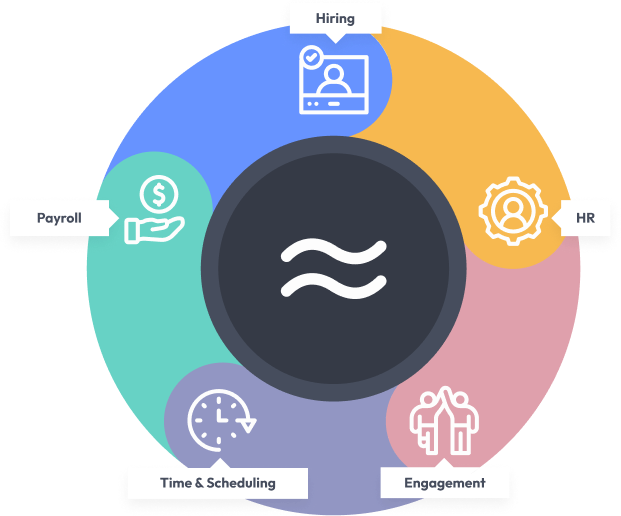

Hiring
Hire better quality workers, faster

HR
Streamline people processes and ensure employee records are always accurate

Engagement
Reduce turnover and increase worker engagement

Time & Scheduling
Manage schedules and hours worked to optimize your labor costs

Payroll
Pay your team quickly, easily, and accurately
resources
Become a hiring and onboarding expert.


Be smart with your hourly workforce
